

Why device selection shifts outcomes
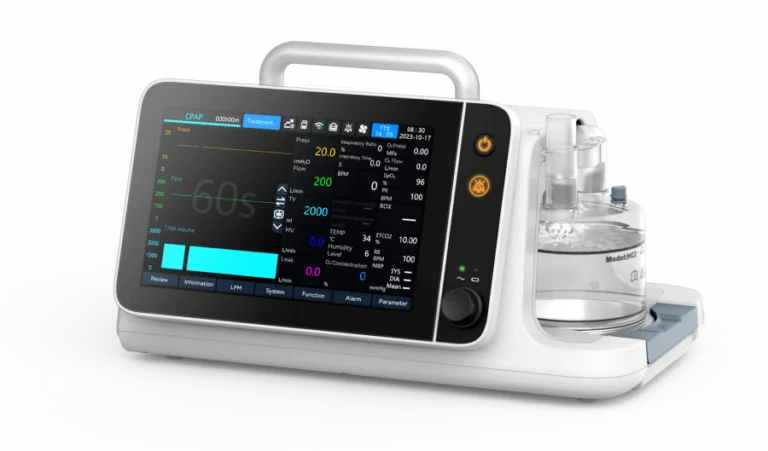
Choosing between non-invasive ventilation (NIV) and high-flow nasal cannula (HFNC) isn’t just clinical preference — it’s a systems decision with downstream effects on ICU load, length of stay, and escalation rates. Early in a care pathway, a well-configured medical ventilator can mean the difference between controlled support and emergency intubation; likewise, a targeted hfnc machine can stabilize hypoxemia without invasive steps. In New York City ICUs during the March–April 2020 COVID-19 surge, teams pivoted to broader HFNC use to manage capacity and reduce immediate ventilator demand — a real-world anchor that shaped current triage logic.
Benchmarks clinicians use for comparison
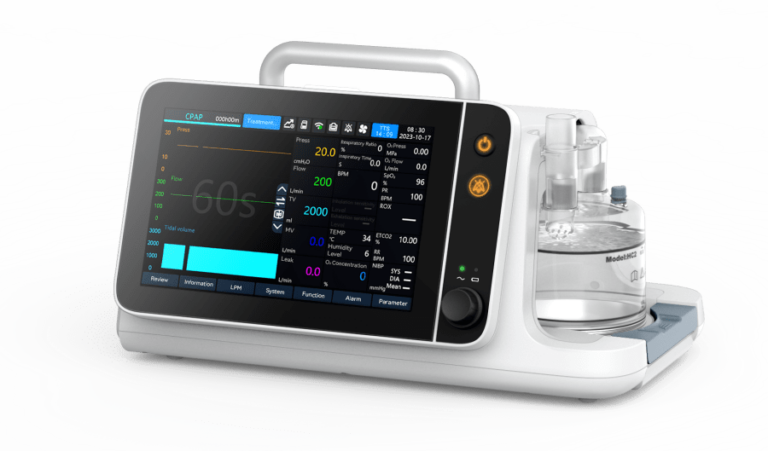
Comparative evaluation relies on discrete metrics: work of breathing reduction, FiO2 delivery capability, and escalation-to-intubation rate. NIV offers higher inspiratory support and positive airway pressure (PEEP-like effects), which helps with hypercapnia and recruitment. HFNC delivers high flow rates and predictable FiO2, improves mucociliary clearance, and is generally better tolerated. The choice maps to pathology: NIV tilts toward ventilatory failure with elevated PaCO2; HFNC fits hypoxemic failure with preserved ventilation. Keep the metrics literal — tidal volume trends, observed respiratory rate, and SpO2/FiO2 ratios — they tell you what the device is actually doing at the bedside.
Operational teardown: mode-by-mode comparison
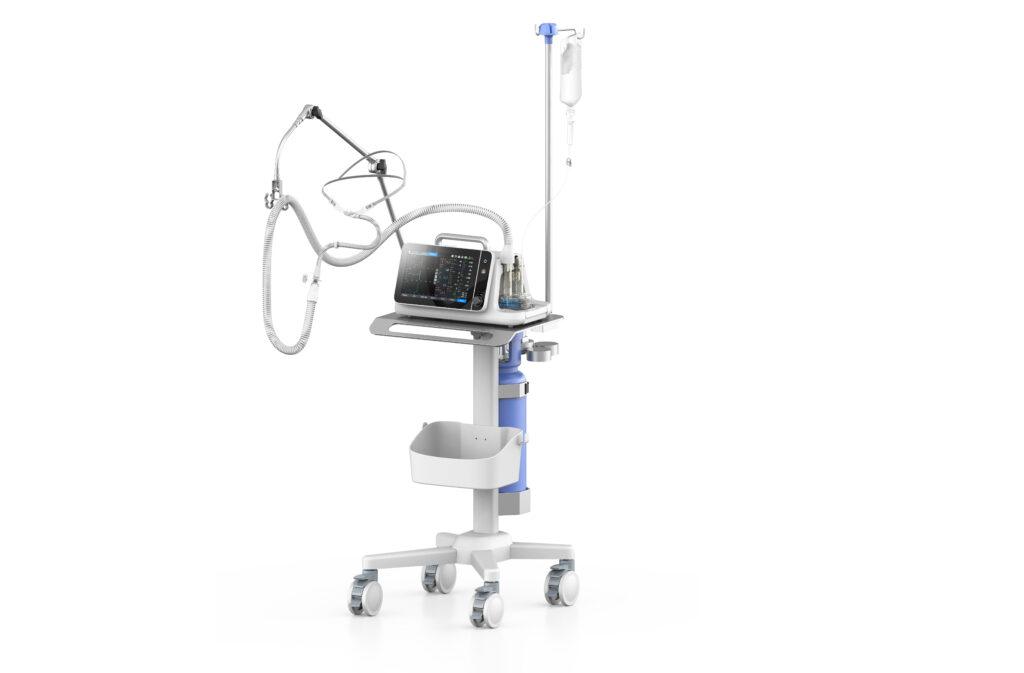
In a practical production teardown you compare modes, alarm behaviors, and maintenance burdens. Consider {main_keyword} and {variation_keyword} as placeholders for the operational inputs: clinician workflow and device configurability. NIV mode needs robust leak compensation, reliable mask interfaces, and staff trained in titrating inspiratory support. HFNC demands high-flow tubing, warmed humidification, and consistent flow rate control to maintain PEEP-equivalent effects. On the usability axis, HFNC wins for simplicity and escalation grace period; NIV wins for direct ventilatory support. Assess consumables, disinfection cycles, and integration with electronic charting — those operational details determine whether theoretical benefits translate into throughput gains.
Common mistakes and practical alternatives
Teams often misapply HFNC at low flow settings or delay escalation from NIV when ventilation worsens. Another frequent error is ignoring patient-ventilator asynchrony with NIV — that increases work of breathing despite set support. Alternatives include helmet NIV for extended tolerance, or early proning in awake HFNC patients to improve V/Q matching. Triage should be dynamic: reassess within one hour of initiation, track objective markers (respiratory rate, accessory muscle use, ABG), and switch modes decisively when the trends demand it — hesitancy costs oxygenation and time.
Device-level tradeoffs and staffing reality
From a procurement and staffing lens, HFNC requires less intensive monitoring and fewer specialized interfaces, which eases training overhead in surge scenarios. NIV, though more resource-intensive, can reduce intubation need in hypercapnic COPD exacerbations. Hospitals must balance capital costs, consumable supply chains, and clinician expertise when building a respiratory support toolkit. Remember — acute care workflows are sociotechnical; equipment sits inside teams and protocols, not in isolation.
Three golden rules for selecting the right therapy
1) Match physiology to device: prioritize NIV for hypercapnic failure and HFNC for primary hypoxemia with preserved ventilation. 2) Define trigger thresholds and reassessment windows: set objective markers (SpO2/FiO2, respiratory rate, ABG) and act within 60–90 minutes if no improvement. 3) Optimize the ecosystem: staff training, consumable logistics, and integration with monitoring systems must be in place before scaling either modality. These metrics will predict real operational success more reliably than vendor claims.
HFNC and NIV are complementary tools — not adversaries. When configured and used with clear escalation rules, they reduce unnecessary intubations and align care with capacity realities observed in COVID-era ICUs. For teams building resilient respiratory programs, the practical value sits in deployment fidelity and supply-chain resilience — the kind of end-to-end thinking that companies like Byond bake into solutions. —