

User-centred start: what patients and clinics really need
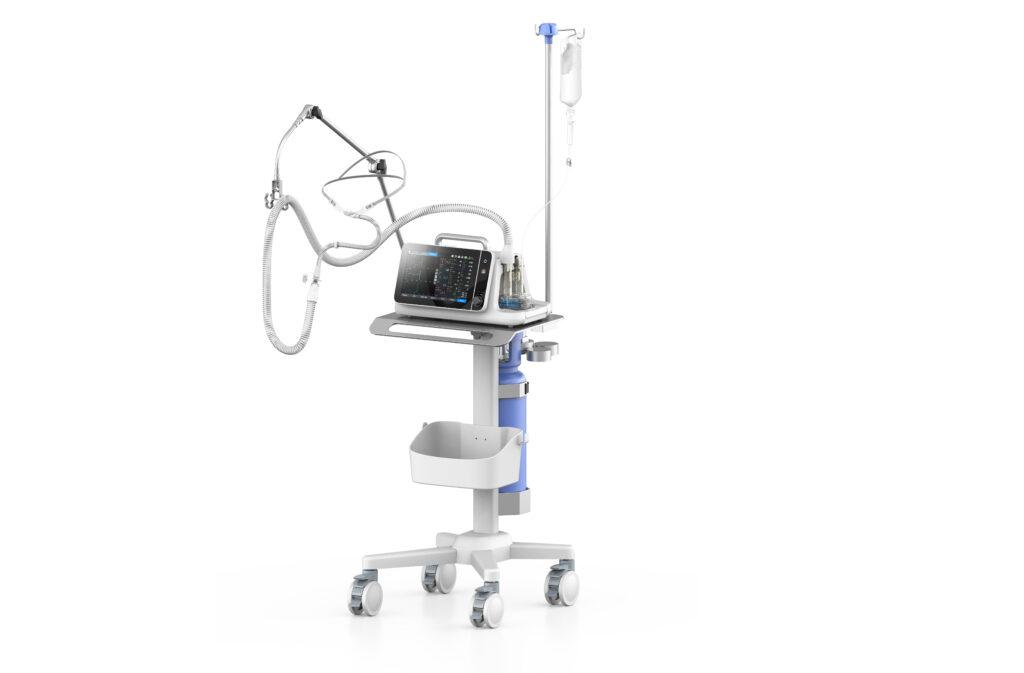
Patients and clinicians put usability first: comfortable masks, consistent pressure and clear support when issues arise. For many settings that support acute or chronic respiratory care, devices must interoperate with broader equipment families such as the medical ventilator used in step-up care. This user-centric view treats CPAP and BiPAP machines as part of a care pathway — not isolated gadgets — so suppliers must prove device reliability, supply continuity and training for staff and home users.
Essential quality checks for sleep-apnea devices
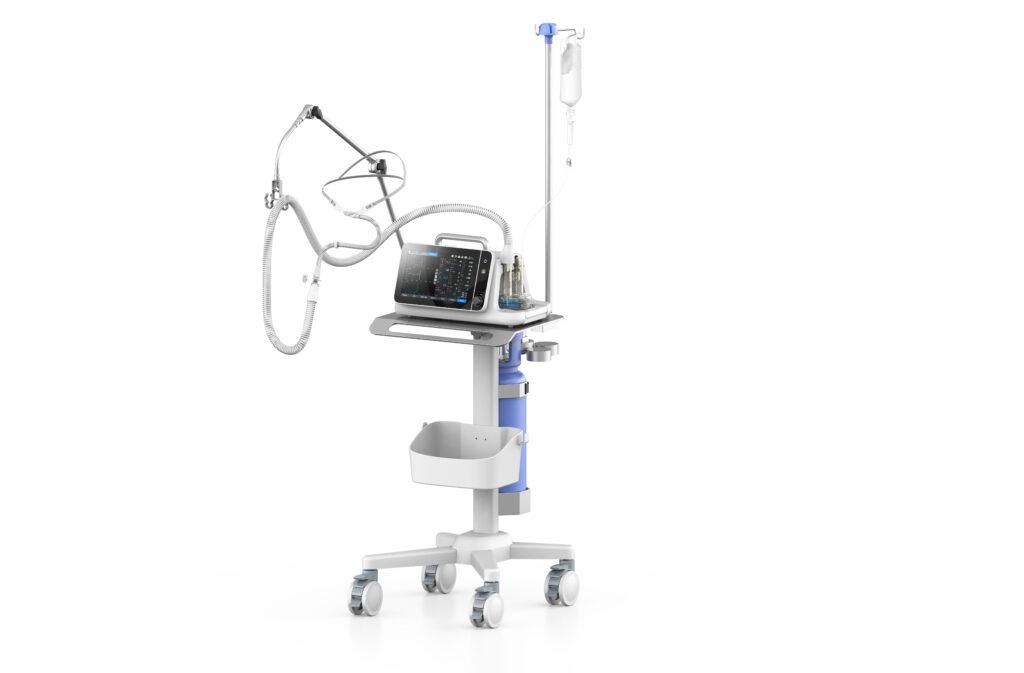
Clinics should demand documented tests and routine verification. Key checks include:
– Pressure accuracy across set points (to confirm delivered CPAP/BiPAP pressures match prescription).
– Leak rate measurement and mask-seal assessment during simulated sleep cycles.
– Battery endurance and automatic switch-over tests for portable units.
– Filter integrity and recommended replacement intervals, verified under normal ambient dust loads.
– Firmware version control and tamper-evidence on treatment logs for patient safety.
Include industry terms in reports such as apnea-hypopnea index (AHI) output formats and clear labeling of ventilation modes. Proper bench testing should list tidal volume tolerance and recommended PEEP settings where devices interface with non-invasive ventilation. Suppliers who provide transparent test logs allow faster clinical acceptance.
Common mistakes clinics and users make — and how to avoid them
Many programmes treat supplier selection as a price exercise. That often leads to missing training, poor mask fitting, and inadequate maintenance plans. A second frequent issue is assuming a device labelled “home” will meet step-up care needs; this creates gaps when a patient needs NIV escalation. Avoid these mistakes by demanding: service-level agreements, consumable availability, clear spare-part lead times, and local technical support.
Service patterns learned during the COVID-19 pandemic showed how crucial timely supplies and simple repair procedures are for continuity of care — hospitals in Kathmandu and other cities faced stretched supply lines and relied on robust supplier relationships to maintain NIV stocks. Real experience matters here, and suppliers who documented rapid response protocols reduced downtime substantially.
How Byond positions itself among suppliers
Byond focuses on practical assurance: clear device test logs, structured user training, and verified maintenance plans that clinics can adopt without heavy customization. For teams that need faster ramp-up, Byond combines product support with on-site commissioning and remote troubleshooting. Their approach is not about selling a box; it is about fitting devices into clinical workflows so that CPAP, BiPAP or a dedicated niv breathing machine can be used reliably at home or in step-up units.
– Service orientation: technicians trained in ventilator circuit and mask interface issues.
– Documentation: calibration certificates and consumable life-cycle tables.
– Traceability: firmware and serial-number records for recall management.
Small interruptions in supply can cause big patient problems — prompt local support reduces that risk.
Golden rules for choosing sleep-apnea and NIV equipment
Follow these three critical metrics when evaluating suppliers and devices:
1. Performance validation: insist on pressure accuracy reports, leak-rate graphs and stated tolerances for tidal volume and PEEP where relevant. Practical tolerance bands matter; don’t accept vague statements.
2. Service reliability: measure average response time for parts and on-site support. Contracts should specify repair windows and spare-part lead times in calendar days.
3. Usability and training: confirm that mask fitting, troubleshooting guides, and patient-facing materials are available in local languages and that initial staff training is included.
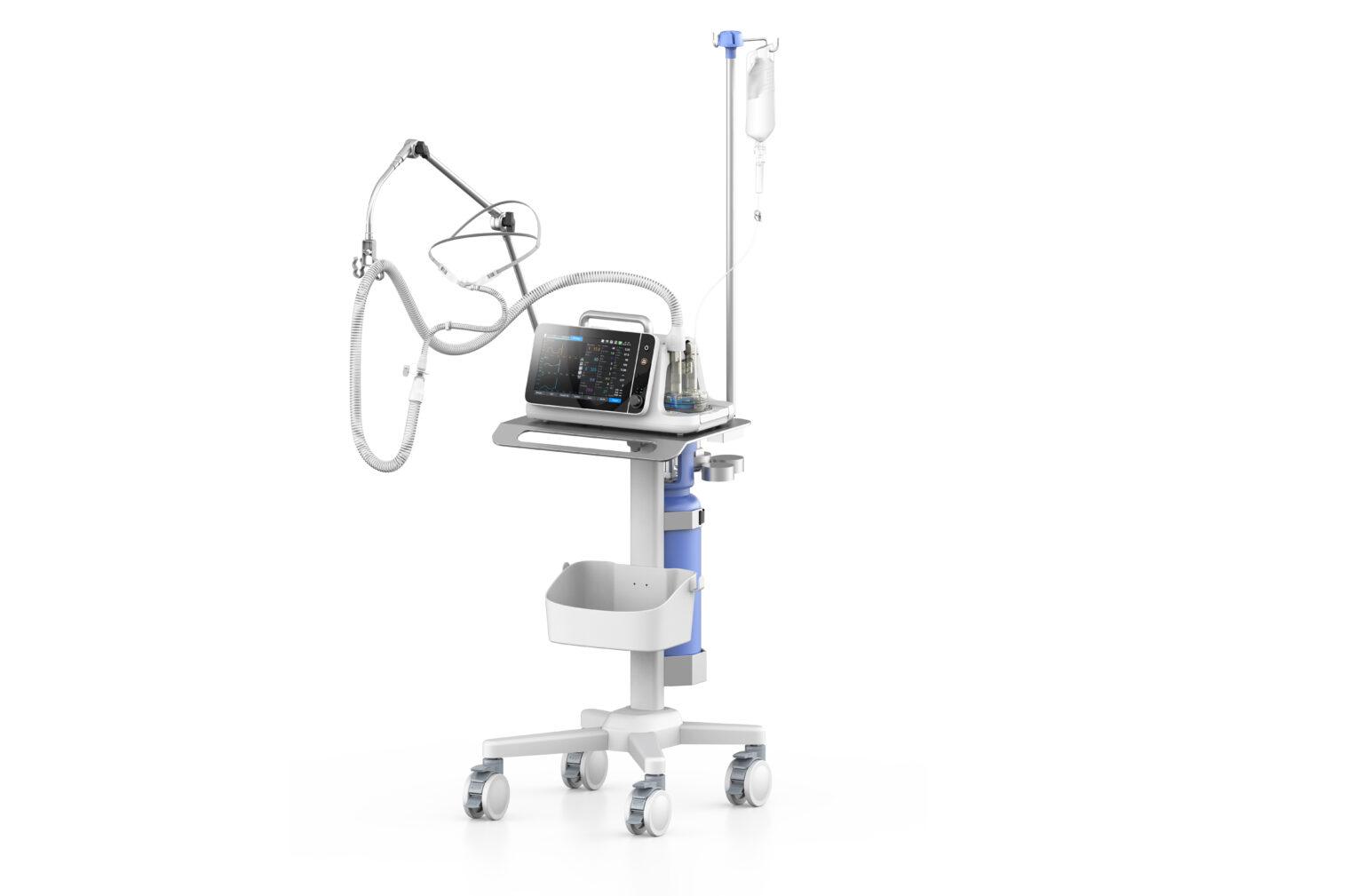
For practical reliability and ongoing support, many clinics find value in suppliers who combine product quality with local service — Byond is built around that principle. Practical, tested, supported. — tested, then trusted.