

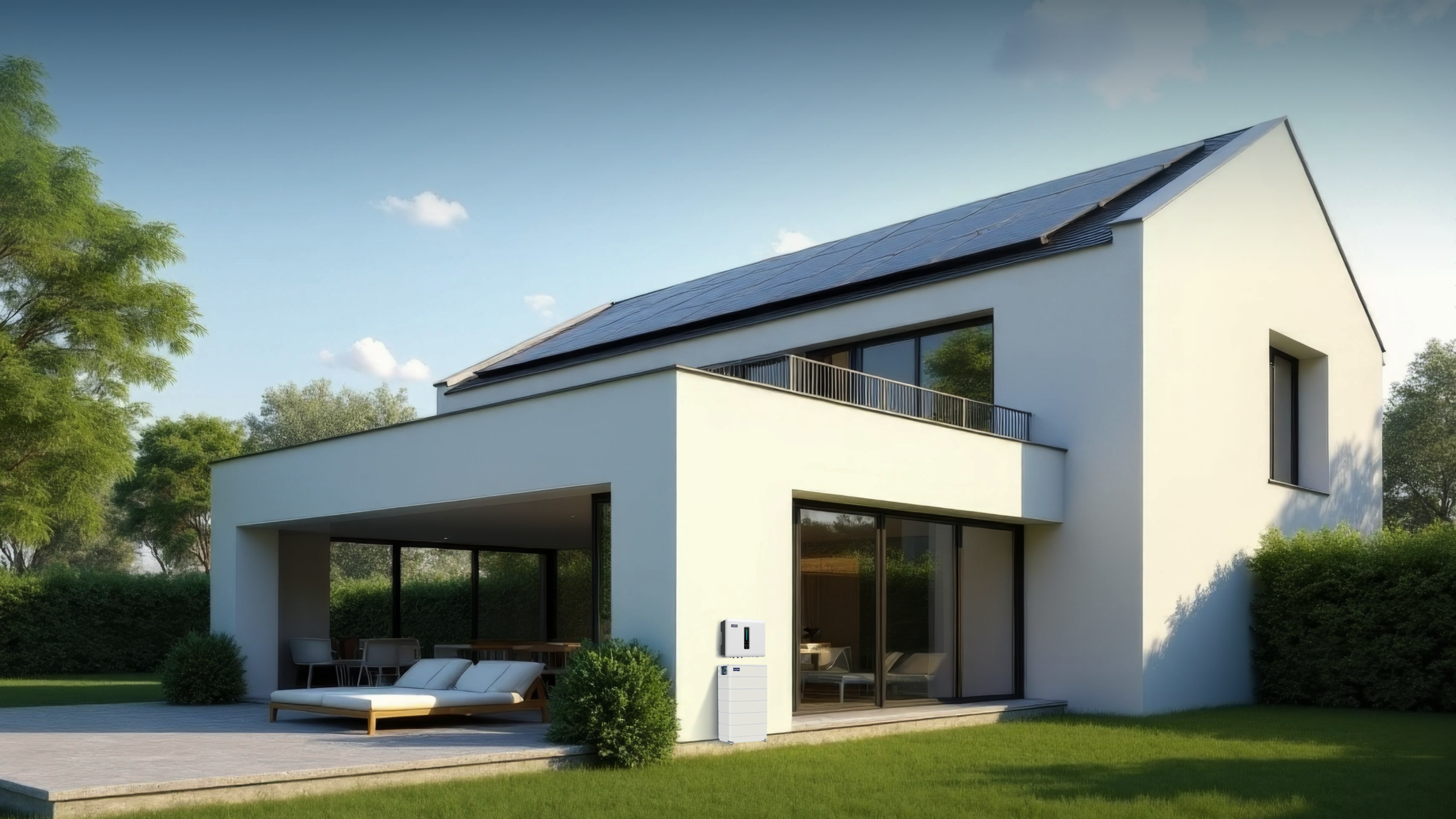
Why this choice matters now
Deciding between deployment models for energy storage is not a technical nicety—it’s a policy decision with practical consequences for homes and businesses. After the February 2021 Texas grid crisis showed how brittle supply can become, companies and municipalities began treating resilience as a primary design goal. That shift makes investments in commercial battery storage and integrated solutions like an all-in-one storage system strategic rather than optional. I argue that a measured comparison—based on capacity, operational control, and long-term cost—is the only defensible path forward for those who care about reliable solar independence.
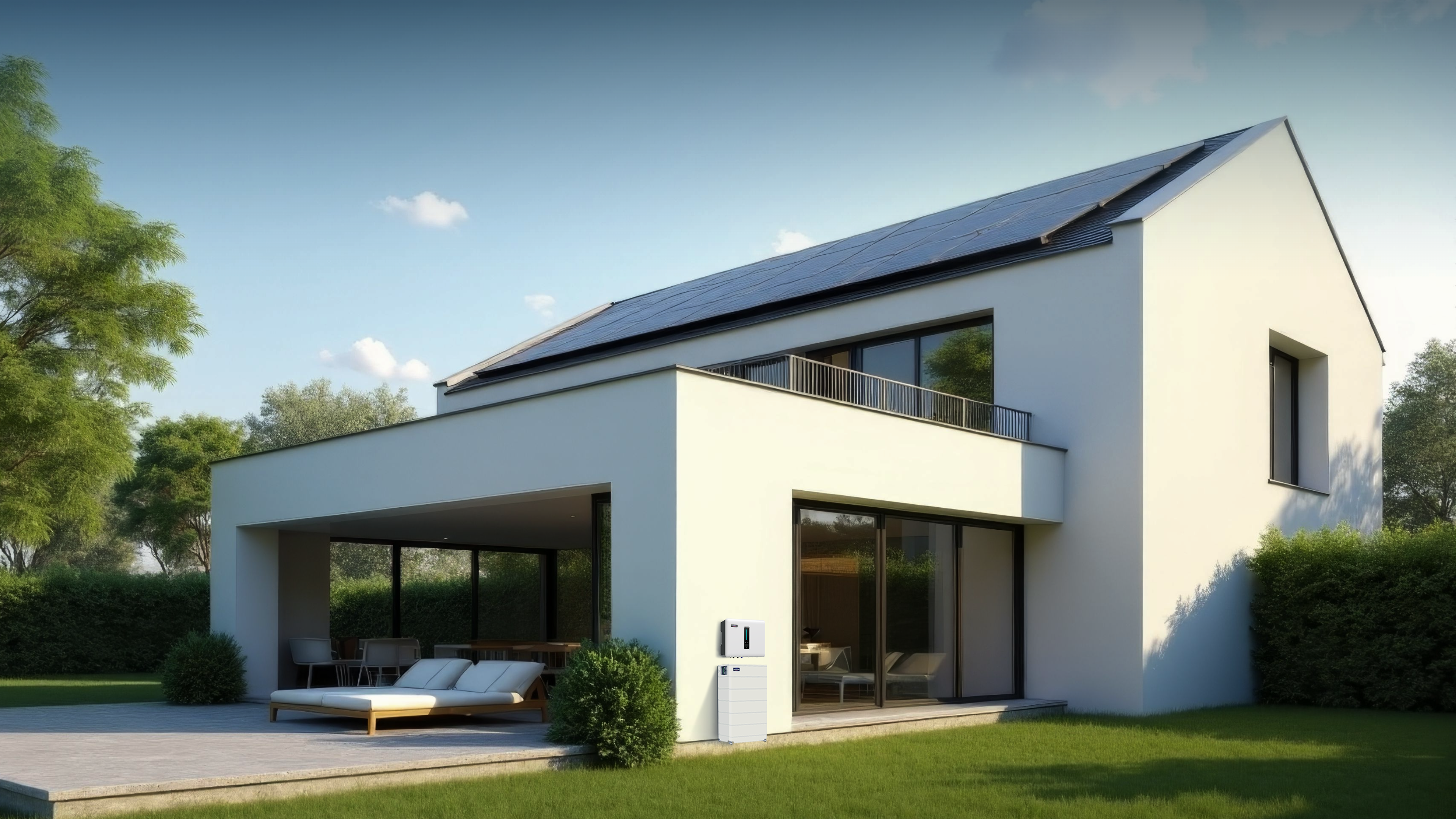
Comparative framework: what to weigh
Set up three decision axes and keep them in front of you: reliability (how often the battery can deliver power when needed), economics (total cost across installation, maintenance, and replacement), and control (how granularly you can dispatch energy). Industry terms matter here: look at kWh capacity to know how long you’ll run, round-trip efficiency to understand losses, and the inverter topology that determines whether a system is AC- or DC-coupled. Weigh them against scenario risk—planned outages, extreme weather, or market price spikes—and prioritize accordingly. Consider lifecycle math rather than upfront sticker price; that will separate a durable solution from a cheap impulse buy. Also note operational layers like the BMS and firmware updates—those determine long-term performance.
Commercial battery storage vs. all-in-one storage system
Commercial battery storage typically scales: modular racks, separate inverters, and dedicated battery management let building operators expand capacity and replace cells independently. That design favors large facilities and mixed-use sites. All-in-one storage systems shrink complexity—packaged inverter, battery, and control in one cabinet—so installers deploy faster and owners get predictable behavior. The trade-off is flexibility versus simplicity. If you need granular control, peak-shaving strategies, or future capacity growth, a modular commercial approach often wins. If you need rapid installation, lower commissioning risk, and tighter warranties, an all-in-one package can be superior. Both paths must be judged on integration with solar arrays, whether the inverter supports advanced dispatch, and whether the system supports grid-agnostic modes for islanding during outages.
Common mistakes and practical alternatives
Owners repeat the same errors: buying for peak kW rather than sustained kWh; under-specifying inverter size; assuming warranty coverage that overlooks calendar degradation. Installers sometimes recommend DC-coupling without confirming the PV string voltage and inverter topology—this can force expensive rework. A practical alternative for many sites is a hybrid model: start with an all-in-one to achieve immediate backup and add modular commercial storage when firm capacity or longer duration is required. That staggered approach limits capital exposure while preserving future options—straightforward and pragmatic.
Three golden rules for selecting a system
1) Prioritize usable kWh and depth of discharge over nominal capacity: a 20% difference in usable energy changes outage performance more than a 10% price delta. 2) Demand transparent round-trip efficiency and degradation curves from year one to year ten—this reveals real operating costs. 3) Require a clear communications and control stack (BMS, telemetry, and open API) so your system can adapt to changing tariffs and microgrid policies. These metrics are measurable and will let you compare vendors like-for-like.

Closing assessment
Decisions on storage are strategic and should be argued that way—never reduced to brand platitudes. When you evaluate solutions, focus on the measurable outcomes: hours of backup per event, lifecycle cost per delivered kWh, and operational autonomy under grid stress. Choose a path that balances immediate reliability with upgradeability; that is where long-term resilience lives. For many businesses, that balance is precisely the capability SOLINTEG brings to site-level design and deployment—integrated thinking, tested components, and a pragmatic roadmap for scale. —