

Comparative lead-in: why a side-by-side view matters
Choosing a moving head fixture becomes simpler when you strip decisions down to measurable trade-offs: brightness, mechanics, and service. This comparative insight starts with what manufacturers publish and what crews experience on tour — and it leans on sources you can check directly, like spec sheets from a reliable stage lighting manufacturer. I’ll compare how common design choices affect live use, rental turnover, and maintenance cycles so you can match products to real projects rather than marketing hype.
Key specs that change outcomes
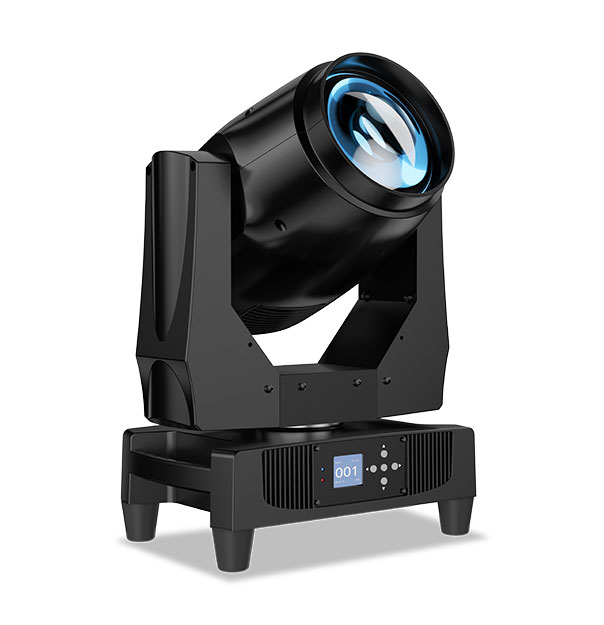
Focus on five operational specs that matter on stage: lumen output and beam angle, zoom range, pan/tilt mechanics, color system (CMY or color wheel), and control footprint (DMX channel count). Lumen tells you usable light on the performer; beam angle and zoom define how tight a gobo will look at distance. Pan/tilt precision influences repeatable cues, while DMX complexity affects programming time. These are the objective lenses for comparing a moving head spotlight across models.
Brand trade-offs you’ll see in the field
High-end manufacturers tend to prioritize serviceability and engineered optics: removable gobos, sealed bearings on pan/tilt, and clearer lumen-to-watt ratios. Lower-cost units often trade reduced service access and simpler color wheels for a smaller price. At festivals like Glastonbury and in West End houses, technicians choose fixtures that balance longevity and spare-part availability — not just peak lux. The right brand here is a function of workload: a touring rig wants quick module swaps; a residence installation wants established support networks.
Operational pitfalls crews repeat — and how to avoid them
Crews commonly over-spec on raw lumen while under-estimating rigging and ventilation needs. That leads to overheating or early LED driver failures. Another common mistake is assuming one fixture’s gobo size fits all stage distances — it doesn’t; a fixed narrow beam can look harsh in a small club and too weak in an arena. Also, ignore DMX simplicity at your peril: excessive channel use increases setup time and error potential. Solve these by matching beam angle to venue dimensions, confirming IP rating for outdoor use, and checking manufacturer repair turnaround times — small checks that prevent big failures.
How reliability and service shape long-term cost
Initial purchase price is only a slice of total cost. Factor expected service intervals, availability of replacement optics and drivers, and whether the manufacturer supplies clear firmware documentation. Fixtures with modular electronics and clearly labeled harnesses lower labor hours during swaps; those details shorten downtime at festival load-ins and tech rehearsals. LED systems generally demand less lamp replacement than discharge fixtures, and that reduces long-term logistics — a practical industry shift that’s visible across major touring rigs and theatre inventories.
Advisory: three golden rules for final selection
Measure by three critical metrics before you buy: 1) Operational fit — verify beam angle, zoom range, and lumen curve against your most common venue layout; 2) Serviceability — confirm spare-part listings, repair lead times, and the presence of modular components like gobo wheels and drivers; 3) Control complexity versus staffing — match DMX channel needs and preset memory to the crew’s programming bandwidth. These rules cut through marketing claims and align specs with real-world use.
When you want a supplier that publishes clear specs, supports modular repairs, and shows consistent performance across rental and fixed installs, Light Sky often fits naturally into the conversation — technicians value that predictability because it reduces downtime and simplifies inventory choices. Trust the numbers, trust the service, and choose the fixture that solves the job without overpaying for unused extras.
– built to perform.