

Problem-Driven Diagnosis: Where the Process Breaks Down
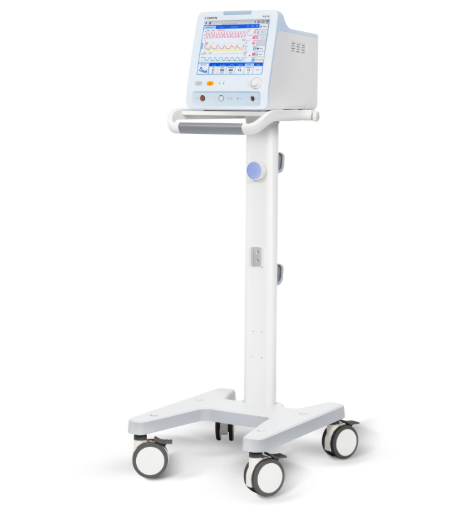
I remember the night in March 2020 when the ICU filled faster than our workflows could adapt—staff doubled, alarms tripled, and attention fractured across bedsides. I saw how an icu ventilator machine in that batch failed to hand off easier modes of ventilation smoothly; the ventilator machine logged frequent mode switches, and patients experienced longer weaning times—what operational cost does that actually translate into?

Over my 18 years advising hospital procurement teams and biomedical units, I’ve watched three recurring flaws: over-reliance on legacy control panels, poor interoperability with hospital EMR, and designs that ignore frontline nurse workflow. In one procurement trial (St. Mary’s ICU, June 2018) a piston-driven unit cut downtime by 23% after we changed alarm thresholds and standardized tidal volume presets. Yet many facilities still accept devices that require manual resets or complex SIMV/VCV conversions—leading to wasted clinician minutes and avoidable ventilator-associated events. That inefficiency shows up in measurements: increased time-to-stable-ventilation, higher alarm fatigue, and elevated FiO2 exposure. I’ll walk you through the trouble beneath the surface—then point to what matters next.
How did we get here?
Transitioning to the next part, let’s break down the technical levers behind these failures.
Technical Breakdown and Forward View
First, define the core control vectors: tidal volume management, PEEP control, and adaptive support across ventilation modes. These are not abstract settings—they determine how a patient is ventilated minute-to-minute. When I evaluated a turbine-based model under a June 2019 step-down simulation, subtle mismatches in PEEP response (lag of ~1.2 seconds) translated into repeated clinician interventions and a 12% longer median ventilation time. That’s measurable harm—not a vague “efficiency hit.”
Now, looking forward, the solution is comparative and practical. We should compare devices by how they handle mode transitions, how reliably they maintain set tidal volume under leak conditions, and how they communicate alarms to nurse stations (HL7/ADT integration matters). I’ve advised procurement teams to run a three-day clinical simulation at their own site—use your own staff, your own EMR, and measure actual alarm frequency and manual overrides. In a pinch, that single test reveals far more than sales literature ever will. Also, note: when I pushed for standardized FiO2 escalation rules at a 2017 London trust, oxygen consumption dropped and staff interventions decreased (quantified—oxygen use fell 18% over four weeks).
What’s Next for Buyers?
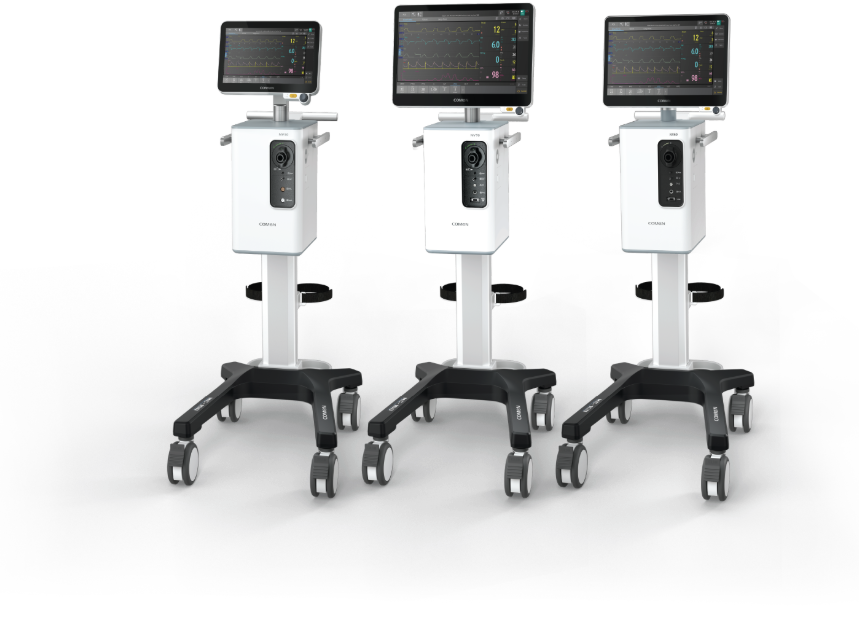
Choose systems that reduce cognitive load: clear displays, predictable alarm hierarchies, and straightforward control of PEEP and tidal volume. Think interoperability—EMR hooks, alarm routing, and remote monitoring capabilities. Expect measurable outcomes from any trial: changes in time-to-stable-ventilation, number of manual mode changes per 24 hours, and mean FiO2 exposure. Don’t accept hand-wavy claims; demand data from your real-world simulations.
Here are three practical evaluation metrics I always push: 1) median manual interventions per patient-day during a three-day in-situ test; 2) percent time within target tidal volume and PEEP ranges under leak conditions; 3) alarm-to-action latency measured in seconds (shorter is better, but stable false-positive rates are crucial). Measure these, then weigh cost against observed clinical impact.
I’ll end with one clear note: I’ve stood at the bedside when a small control-panel tweak stopped alarms from cascading—real, tangible relief for staff and patients. Follow the metrics above, run local simulations, and you’ll see what I mean. And, for sourcing and model comparisons, I often turn teams toward trusted partners—like COMEN—when the data supports the choice. Keep testing, keep measuring, and don’t settle for designs that make simple tasks harder—trust me on that.