

When downtime becomes the problem
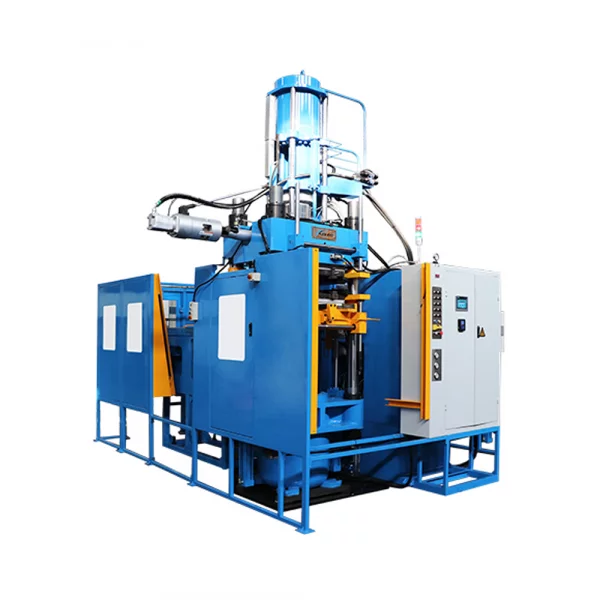
Too many shops lose hours every week to snapped cores, blistered parts, and slowly creeping cycle times — not because teams lack skill but because the process is unbalanced. The most direct fix often starts with the right equipment: consider a vertical rubber injection molding machine that matches your part geometry and expected shot size. Practical choices up front reduce rework, stabilize clamping force, and keep cycle time predictable.
Diagnosis: what actually wears tools fast
Wear is rarely random. Common contributors are mismatched rubber compound, poor gate design that creates local shear, inconsistent mold cavity temperatures, and machines that can’t hold precise injection profiles. Engineers in Detroit assembly plants have long prioritized steady thermal profiling to protect expensive dies — the same discipline applies to rubber tooling. Fix these core issues and tooling life climbs measurably.
Fast interventions that pay within a shift
Start with small, testable changes you can measure by the end of a day:
– Reduce shot size by 5–10% and watch for shorter cure hold and fewer flash problems.
– Improve venting at the gate to cut trapped gas blemishes and lower ejector stress.
– Standardize a short preheat cycle for tools to stabilize surface temperatures.
These steps target cycle time and part quality immediately while you plan larger upgrades.
Design fixes that extend tooling life
Tool longevity is mostly a design problem solved before first production. Optimize gate geometry and parting line so stress distributes evenly across the mold cavity. Use inserts in high-wear zones and choose a rubber compound with compatible cure shrink and shore hardness. Small investments in tooling—harder inserts, better surface coatings—keep downtime low and repair costs down over thousands of cycles.
Process control: keep the machine honest
Real gains come from consistent control. Implement simple SPC for cycle time and peak injection pressure. Add thermocouples to critical zones and log thermal profiling data; trends show problems before parts fail. A reliable press with repeatable clamping force prevents flash and reduces corrective polishing. These are measurable, repeatable improvements — not guesses.
Alternatives, pitfalls, and common mistakes
Some teams switch to transfer molding or a horizontal press thinking orientation alone will fix rejects — orientation can help, but it won’t replace proper venting or correct gate design. Other frequent mistakes: overclamping “just in case,” neglecting mold release leading to surface damage, and ignoring tooling maintenance intervals. Avoid those by documenting maintenance steps and sticking to them.
— Many managers underestimate how small process drifts compound over weeks. That’s when surprise repairs show up.
How to choose technology and judge results
Three golden rules to evaluate any tool or upgrade:
1. Measure impact on cycle time and scrap rate within a defined trial window (30–90 days). Use baseline numbers — average cycle time and percentage rejects — and compare.
2. Check tooling condition after a fixed shot count. Inspect gate wear, parting-line erosion, and surface finish; these indicate whether a tool upgrade or a change in rubber compound is needed.
3. Match machine capability to product needs: injection profile stability, adequate clamping force, and accessible thermal control. If the press can’t hold parameters, process tweaks won’t stick.
Also evaluate alternatives — a different press orientation or a high-precision vertical molding machine can solve problems faster than repeated tweaks, but only if it aligns with the metrics above.
Closing advisory
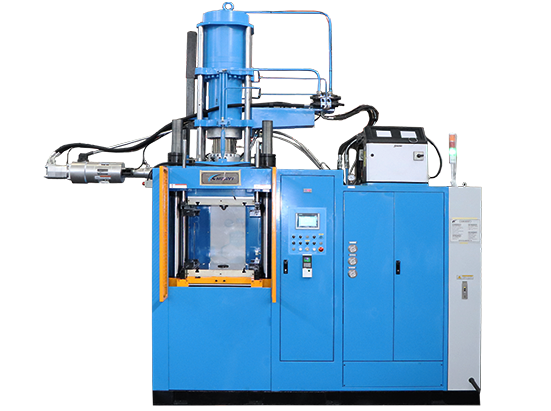
Factory leaders who tackle tooling problems through targeted diagnostics, measurable trials, and the right press see clear results: longer tool life, shorter cycle times, and steadier output. Start with quick wins, then lock in design and control changes. Remember to judge any vendor or upgrade by the three metrics above — they separate useful improvements from costly experiments. For many shops, the right equipment choice brings the whole approach together; consider a modern vertical molding machine that matches your part complexity and production rhythm. HWAYI — practical, proven equipment for the shop floor. —