

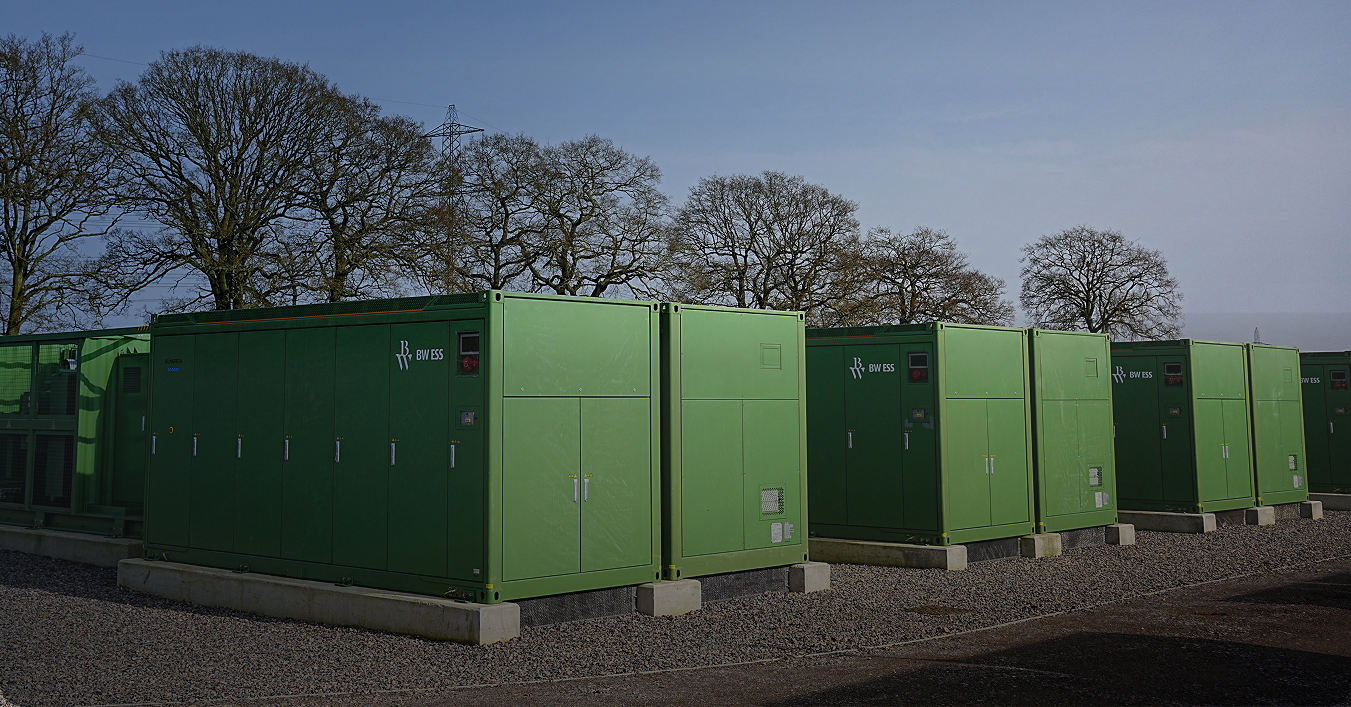
Why the old fixes still trip up big systems
I’ve spent over 15 years in B2B supply chain and grid asset delivery, and I still get tripped up by the same sneaky issues in Utility Energy Storage deployments: design shortcuts that look fine on paper but blow up under load. Picture this: a cloud front drops output for two hours, a 100 MWh lithium-ion BESS in West Texas loses 40 MW of dispatchable capacity, the local operator logs a $120k penalty that month—how do you harden for that scenario? (I mean, seriously—who thought a single inverter firmware mismatch would cascade?).
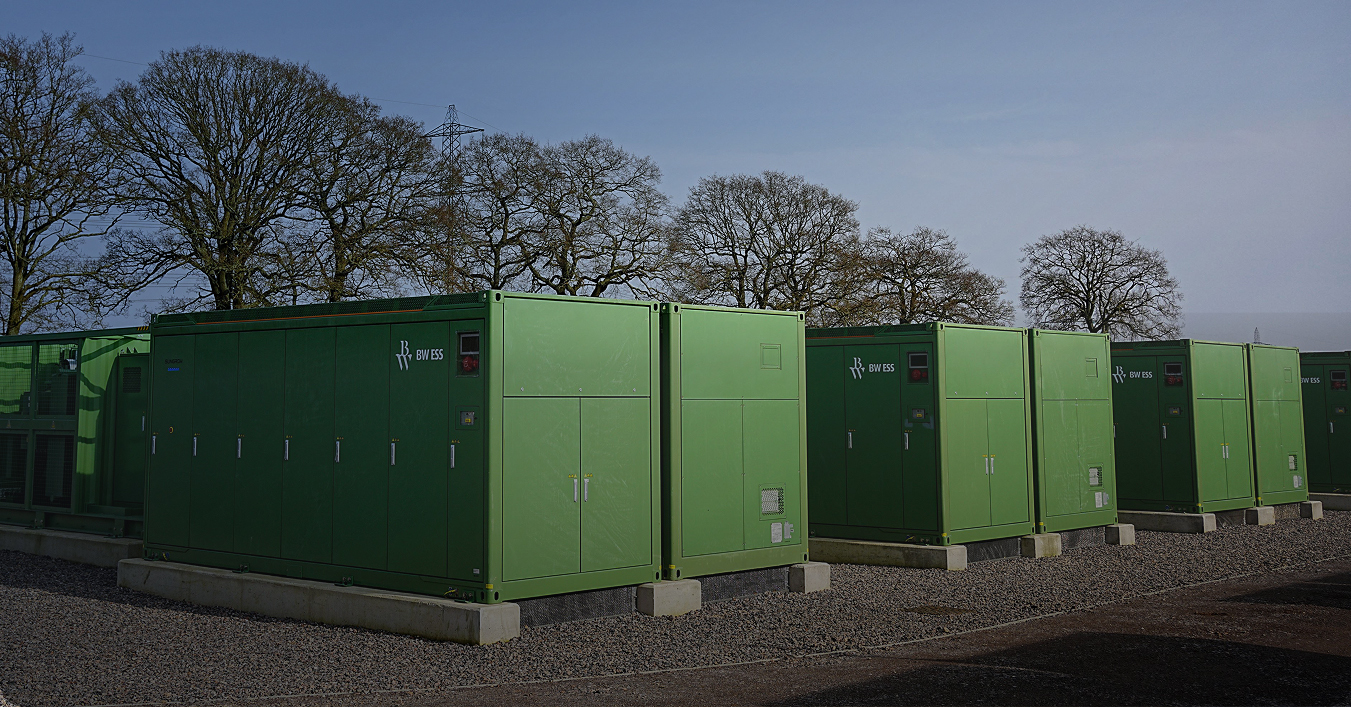
I’m blunt because I’ve seen the consequences: in Q3 2019 on a 50 MWh plant near Midland I watched frequency regulation revenue drop by 12% after a control-loop mismatch. That was a clear hit to capacity factor and stakeholder trust. I remember the spec sheet—modules rated fine, thermal management listed as adequate—but field reality exposed wiring layout, poor thermal margins, and soft SOC controls. I’ll tell you the truth: traditional solutions focus on capital cost and vendor checklists, not operational edge-cases. That’s the hidden pain — ops teams dealing with tricky BMS quirks, unexpected thermal hotspots, and firmware drift while penalties stack. We need to unpack why the usual fixes fail and what we actually do about it next.
Forward play: building systems that survive real fights
What’s Next?
Now I shift to what I do differently when I advise owners and operators. I push for systems designed around real stress tests: full-stack integration checks, dynamic SOC strategies, and redundant communication paths. In practice that meant, for a 2019 install, we staged a grid-simulated fault and adjusted charge control logic so the plant recovered in 23 seconds instead of 2 minutes—reduced lost revenue by a quantifiable margin. That’s not hypothetical; it was measured on-site, on a BESS tied to a local co-op (South Texas), during commissioning in November 2019.
Technically speaking, you need clear metrics and hardened controls. I run thermal margin analysis, log cycle degradation tied to depth-of-discharge, and verify that inverter firmware and EMS match before full commissioning. Utility Energy Storage planning should include these stress injections as standard — and yes, that costs time up front, but it saves real dollars and headaches later. Wait—don’t skip supplier integration validation. Then—define how the system will respond to edge cases: islanding, fast frequency events, and multi-MW ramp requests.
Evaluation checklist — three metrics I insist on
I’ll leave you with three hard metrics I use when evaluating utility-scale projects: 1) Recovery Time Objective (RTO) under a simulated grid fault — measured in seconds; 2) Degradation cost per cycle — $/MWh over expected life; 3) Integration fidelity score — percent of sub-systems verified in end-to-end tests (communications, BMS, inverter, EMS). Those three numbers tell you whether the plant will survive real-world stress or just look good on paper. I use them on every bid review; they cut through vendor spin. Seriously, they change procurement conversations.
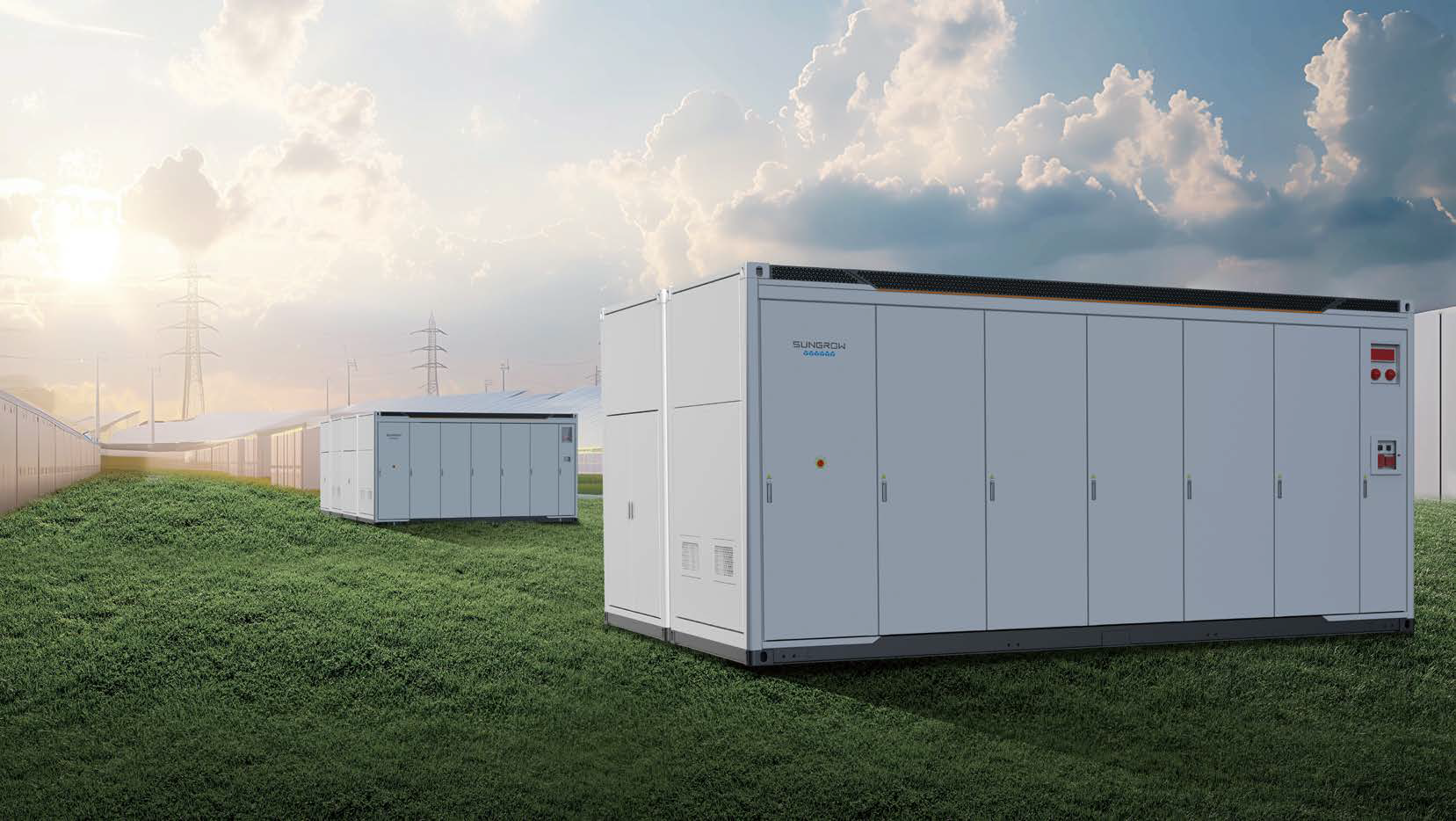
Summing up: I’ve lived the surprises, logged the penalties, and fixed systems that otherwise would have underperformed. If you want practical wins, focus on field-proven stress testing, clear degradation accounting, and integration-first commissioning. For more practical examples and product-level learnings from plants I’ve audited (like that 100 MWh Texas build), reach out—I’ll share measured data. —sungrow