

Why a comparative lens matters for practice owners
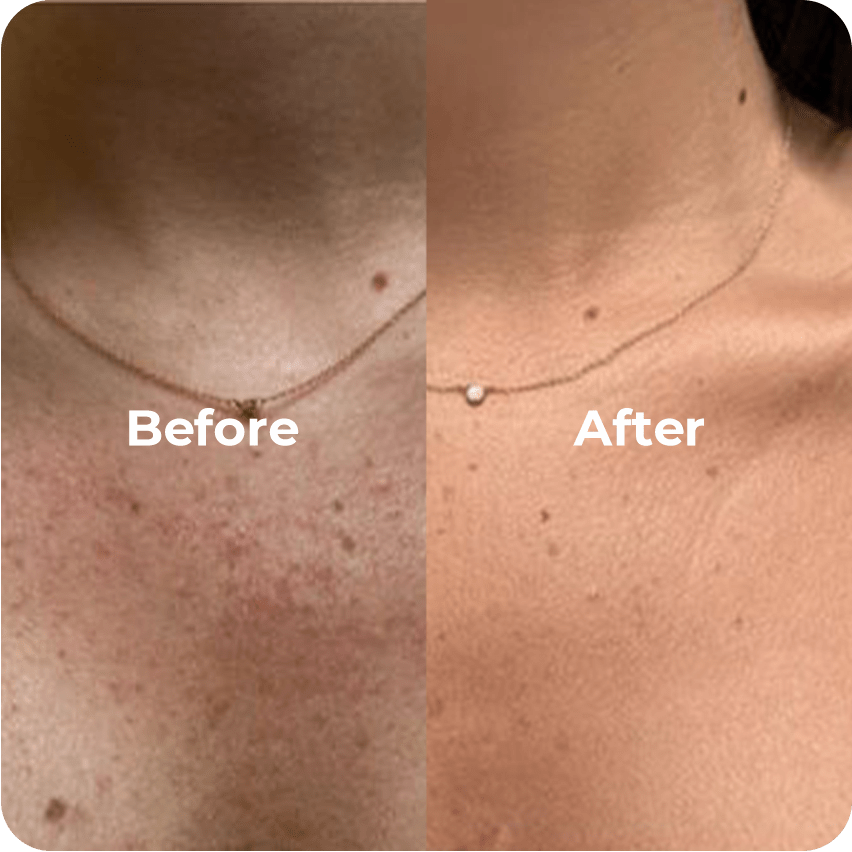
Too many clinics adopt one treatment because it’s trendy rather than because it fits slot capacity, margin profile, and patient demand. A comparative approach forces you to quantify trade-offs — procedure revenue, consumable cost, downtime, and repeat rate — before you commit capital. For a concise assessment of options, start with a standard reference such as an evidence-backed skin rejuvenation treatment package and compare alternatives against it. This method keeps decisions grounded in throughput and economics rather than anecdotes.
Key metrics to compare across treatments
Frame comparisons around measurable operational and clinical metrics. Track: unit revenue per procedure, average appointment length (including set-up and turnover), consumable and device amortization per session, and patient-repeat rate over 12 months. Also include clinical endpoints like visible improvement at 8–12 weeks and complication rate. These numbers translate directly into staffing needs, scheduling models, and inventory strategy.
Protocol-level comparison: common options
Compare protocols by procedure profile. Below is a practical snapshot — each entry lists clinical mechanism, typical downtime, and operational demand.
- Microneedling (collagen induction): low-to-moderate downtime, minimal consumables, good for package sales; moderate repeat rate.
- Fractional laser resurfacing: higher visible improvement per session, longer downtime, higher device amortization and consumable cost; suited for higher-ticket packages.
- Chemical peels (medium depth): short appointment times, lower device cost, variable downtime depending on agent; good throughput filler.
- PRP adjuncts: increases perceived value and outcomes when paired with microneedling or injectables, but adds consumable and processing time (centrifuge logistics).
- Topical regimens and maintenance (retinoids, SPF): low margin per item but essential for retention and long-term outcomes.
When you compare protocols, ensure you standardize outcome windows (e.g., 12-week VISIA or clinician-rated scale) and patient selection criteria so the comparison is apples-to-apples.
Operational implications: balancing throughput and outcomes
Technical constraints often determine whether a high-value treatment is practical. Device amortization and maintenance schedules affect session cost. Treatment time slots determine how many patients you can serve in a day; fractional laser sessions that require 45–60 minutes with 30 minutes recovery reduce daily throughput compared to a 20-minute microneedling slot. Consider consumables: single-use cartridges, topical anesthetics, and PRP kits compound per-session cost. Finally, staffing: higher-touch procedures need trained nurses or physicians, which raises labor cost but can justify higher pricing if outcomes are superior.
Patient pathway and marketing alignment
Match clinical pathways to buyer personas. Millennials and Gen Z may prioritize minimally invasive approaches with short downtime (microneedling, light chemical peels), while older cohorts seeking substantial resurfacing will accept longer downtime for fractional laser results. Pricing and messaging should reflect expected recovery and outcome windows. Use bundled packages — for example, laser plus maintenance topical regimen — to increase lifetime value and smooth revenue volatility.
Common mistakes clinics make — and fixes
Clinics often miscalculate three areas: device depreciation, realistic booking cadence, and post-procedure retention. Device cost gets buried in CAPEX, then surprises as high per-procedure amortization. Booking cadence is optimistic — don’t assume full-day utilization day one. And retention: without a structured maintenance program, repeat rates underperform. Fixes: model scenarios with conservative utilization (50–70%), allocate CAPEX amortization per realistic session counts, and create a maintenance protocol tied to clear outcome milestones — patients rebook when they see measurable improvement.
Clinical quality and safety anchors
Maintain clinical trust by standardizing consent, pre- and post-care (topical agents, SPF), and complication pathways. The COVID-19 pandemic demonstrated how elective-procedure demand can swing rapidly and underscored the importance of clear patient communication and infection-control protocols. Anchor your comparative analysis not only on revenue but on reproducible clinical outcomes and documented safety metrics.
How to pilot a new protocol with minimal risk
Run an A/B pilot: cap sessions, track KPIs (revenue per slot, consumable cost, NPS, complication rate), and compare to your baseline procedure over 90 days. Use real appointment data to refine pricing and scheduling. If a pilot outperforms on margin and retention, roll it out in phases — expand slots, add a marketing push, then introduce bundled maintenance.
Advisory: three golden evaluation metrics
1) Return per clinical hour: total net revenue divided by direct clinical hours booked — the single best operational KPI. 2) Cost-per-visible-improvement: (device amortization + consumables + labor) divided by proportion of patients achieving predefined clinical endpoint at 12 weeks. 3) 12-month retention lift: percent of patients who purchase maintenance or repeat procedures within a year after initial treatment.
Apply these metrics before you buy, and you’ll reduce guesswork — they let you compare treatments on the same business logic as clinical efficacy. ENZOEYS frames its protocol recommendations around these dimensions, so clinical and commercial goals align. Fresh perspective.