

Introduction — a small scene, a big question
Have you ever watched a production line and thought, who’s really in control here? In my time on the floor I’ve seen tidy stacks of packs, blinking panels and the odd operator humming — but the difference between a good line and a great one often hides in plain sight. As a wet wipes machine manufacturer, I’ve had to reckon with throughput numbers and downtime stats (we measure them, obsessively) — 30% variance in yield between similar lines is not rare. So why do some manufacturers deliver machines that run smooth for years while others need constant tinkering?
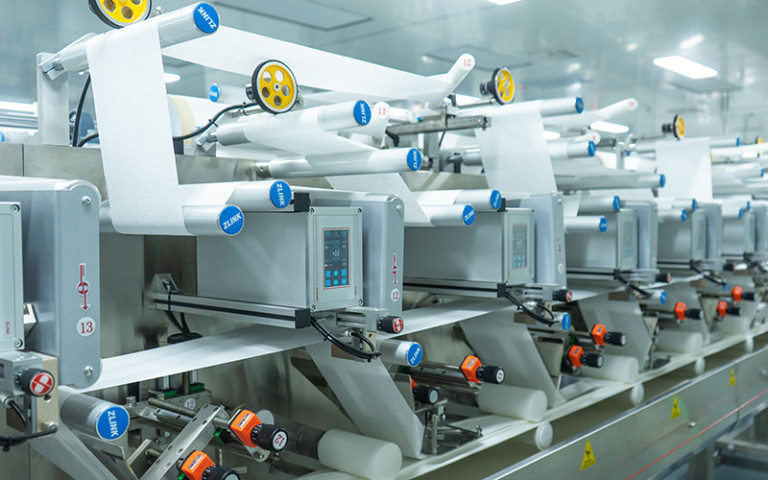
I’m going to lay this out plain — scenario, data, question — so you can see the levers we actually pull. Let’s move into where the rub really happens and what it costs you in time and money.
Where the old wet wipe solution breaks down
wet wipe solution has been touted as a catch-all for runnability, but let me tell you: the theory and the day-to-day rarely match. The usual fixes — faster line speeds, bigger roll unwinder, extra sensors — feel smart on paper, yet they often trade one headache for another. I’ve examined lines where the lamination unit was over-specified, causing heat-related creases; and others where poor tension control created inconsistent sheet length. These are not abstract faults. They’re servo motor hunts at 2am and product rework the next day. Look, it’s simpler than you think: you can’t outrun bad integration.
Technically speaking, the flaw lies in piecemeal upgrades and a lack of systems thinking. A cutting die that’s perfect for one substrate will chatter on another if the PLC control loops aren’t tuned. Ultrasonic sealing may reduce adhesives, but without matched power converters and proper edge computing nodes for quality checks, the benefit fades. I’ve learned to ask the loud questions early — what substrate, what pack format, what uptime target — otherwise you end up fixing symptoms, not the cause. — funny how that works, right?
Is this a manufacturing problem or a design problem?
Short answer: both. Manufacturers and designers must speak the same simple language: tolerances, maintenance windows, and realistic OEE targets.
What’s next: principles for future-ready machines
Now, looking ahead, I favour a grounded approach — not flashy bells, but sound principles that build longevity. New technology principles I advise focus on modular design, predictive maintenance (via simple sensors and local analytics), and human-centred HMI. When we build a line today we try to ensure the roll unwinder, lamination unit and cutting die are modular so a single fault doesn’t stop the whole line. That also lets you upgrade a servo motor or PLC control independently, which saves cost over five years. wet wipe solution evolves best when hardware and control software are designed together, not bolted on.
Case in point: we recently reworked a client’s line to add tension control and a touch screen HMI that made operator training faster. The uptime improved, scrap fell, and the team actually smiled more — small win, but telling. Predictive alarms kept replacements timely; and by simplifying the interface we cut human error. Now, imagine that every line had this quiet attention to detail — throughput would rise, maintenance budgets would drop. — a modest hope, but practical.
Real-world impact?
Yes. It’s measurable: less scrap, fewer stoppages, and steadier cycle times. And it’s human — operators prefer clarity over complexity.
How to choose wisely — three practical metrics
I’ll finish with a short checklist I use when evaluating any wet wipes machine or supplier. These are objective, testable and I stand by them.
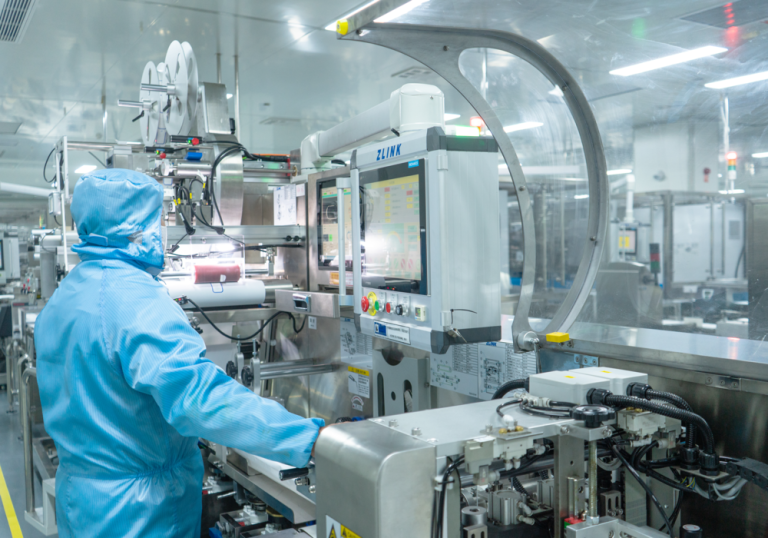
1) Integration score: Does the machine come with matched PLC control and clear diagnostics? Check the HMI and ask for failure logs. 2) Modularity index: Can you replace the lamination unit, cutting die or roll unwinder without a week of field support? If not, costs will stack. 3) Maintainability & analytics: Are there simple predictive signals (bearing vibration, tension variance) and are they localised via edge computing nodes or trapped in a cloud that’s slow to act? If you get all three near the top, you’ve found a practical, future-ready wet wipe solution.
I’ve seen suppliers promise the moon — and then hope you never ask for the spec sheet. I don’t want that for you. Use these metrics as your quick litmus test when you compare vendors. In my view, the right choice is the one that reduces surprise and raises confidence. For a partner that blends these principles into machines and support, check out ZLINK.