

Comparative framing: why amortization matters for sensor-heavy fleets
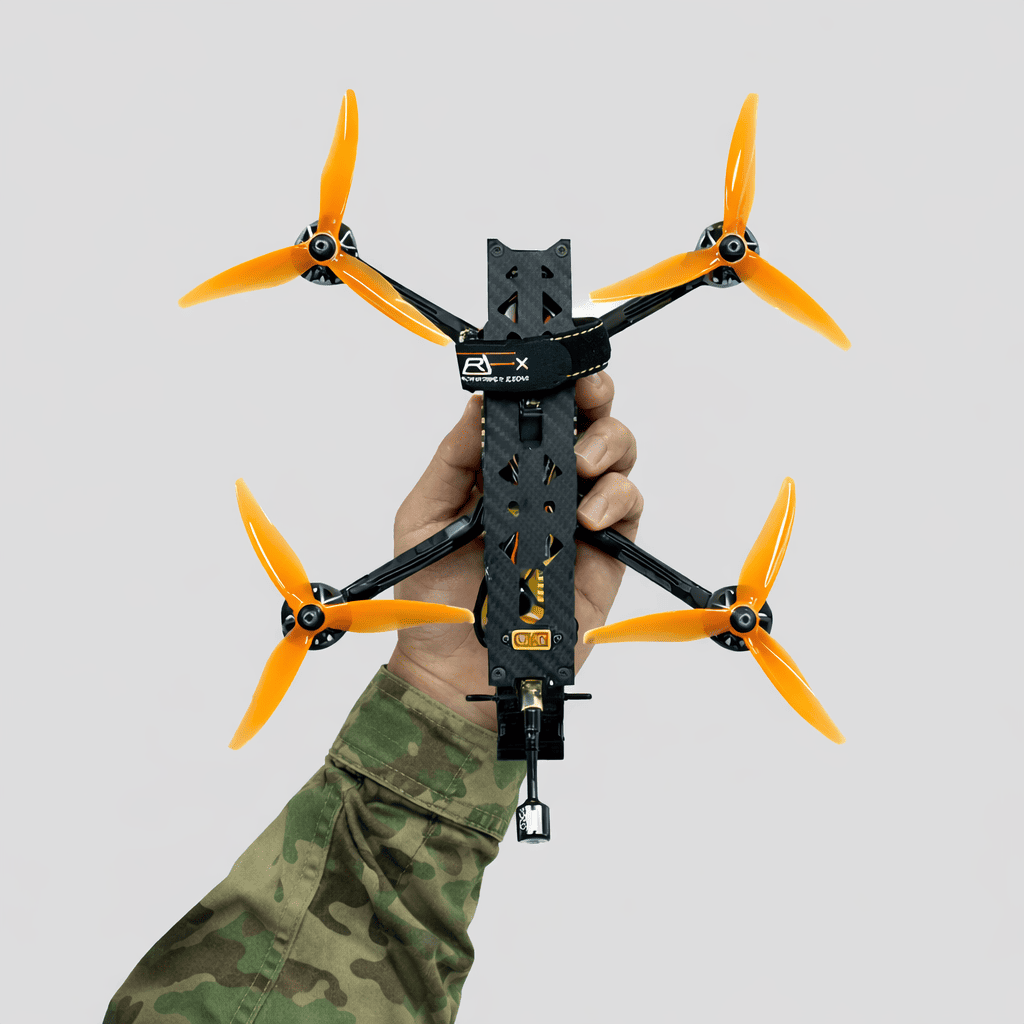
Comparative insight leads this piece: equipping units with night vision goggles and tactical drones is not just a procurement decision but a portfolio choice. Buying at scale changes the math—unit price, maintenance cadence, and replacement schedules interact to shape total cost of ownership. Early buys benefit from volume discounts, while long tails of spares and repairs inflate lifecycle cost. For teams looking into procurement options, including military drones for sale, the comparison must include sustainment and operational availability, not only sticker price.
Key lifecycle components and how they compare
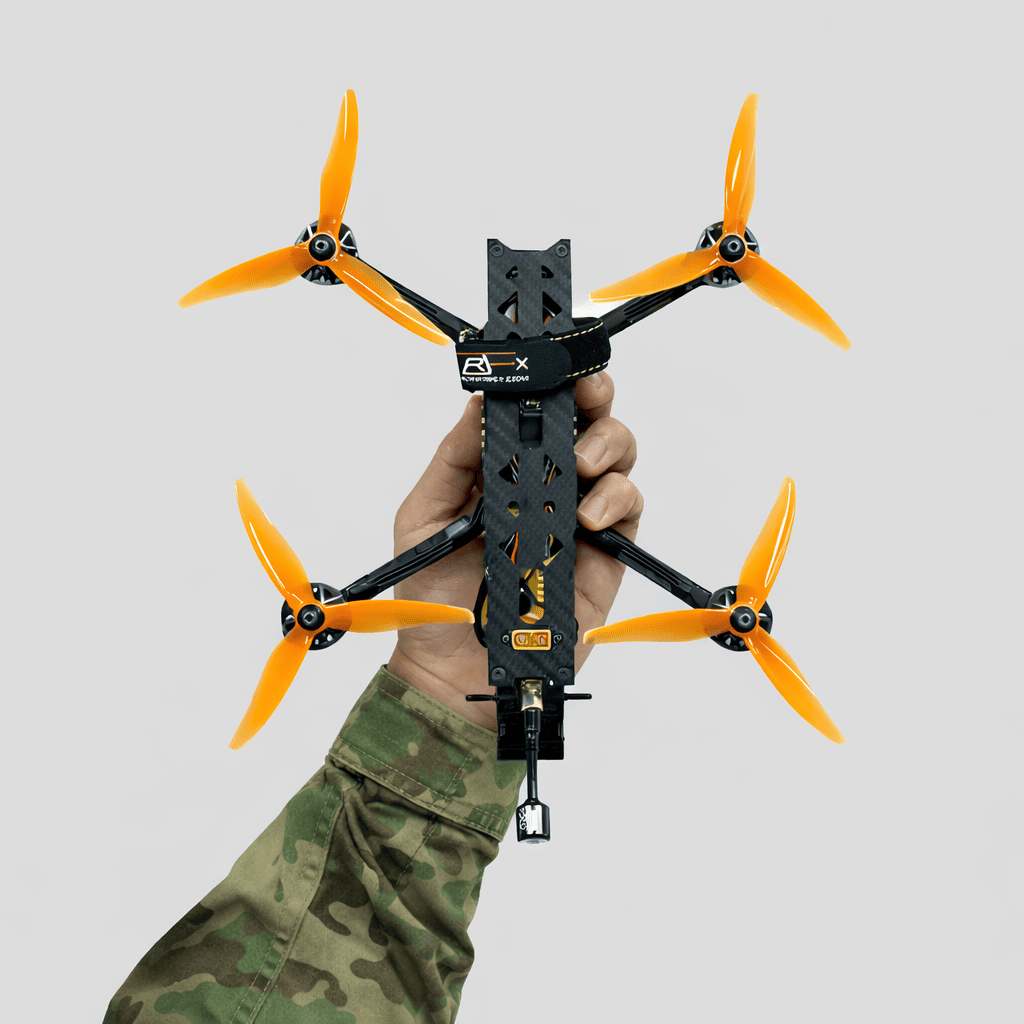
Break the lifecycle into three discrete buckets: acquisition, sustainment, and disposal. Acquisition covers sensors, mounts, and initial training. Sustainment covers battery logistics, firmware updates, and field repairs. Disposal includes demilitarization and parts reclamation. Across these buckets, certain factors dominate costs: endurance of batteries, EO/IR sensor reliability, and availability of replaceable modules. Comparing suppliers, brands that offer modular optics and swappable batteries will lower long-run costs even if upfront prices are higher.
Real-world anchor: lessons from recent conflict use
Field reports from the 2022 Ukraine conflict showed how high operational tempo exposes weaknesses in supply chains and repair cycles. Units that had hardened logistics for batteries and spare optics maintained higher sortie rates and longer mission coverage. Those lessons matter when comparing options for night vision ensembles and related unmanned systems—payload choices and spare-part pipelines are decisive. The anchor is clear: real-time operations reveal where amortized costs concentrate.
Comparative matrix: where costs concentrate
Compare three typical fleet models in a simple matrix—low-cost consumer conversions, mid-tier defense contractors, and premium integrated systems. Key differentiators:
– Consumer conversions: low acquisition cost, high sustainment effort, limited warranties.

– Mid-tier contractors: balanced acquisition vs sustainment, field-replaceable parts, routine firmware support.
– Premium integrated: higher up-front price, reduced downtime, formal lifecycle support and training. Endurance, payload capacity, and modularity often improve as you move up the tiers.
Procurement traps and common mistakes
Buyers frequently focus on night-vision resolution or drone endurance and neglect supply chain realities. Overlooking spare-part provisioning or assuming universal compatibility for batteries and EO/IR modules is costly. Software entanglements—proprietary telemetry that requires vendor-exclusive tools—add hidden sustainment fees. Plan for obsolescence: component lifecycles can outpace procurement cycles, so standardize on modular interfaces where possible. —A small policy tweak at the outset can prevent months of logistic headaches later.
How to compare vendors practically
Apply these practical criteria when weighing offers. First, request mean time between failure (MTBF) estimates and a demonstrated repair turnaround time. Second, evaluate spare-part pricing and inventory commitments. Third, insist on a clear upgrade path for firmware and sensors. For those sourcing integrated systems or looking into options for military style drones for sale, confirm interoperability with existing command-and-control and datalinks—interoperability reduces long-term integration costs.
Summary of insights
Comparative analysis shows that lower upfront cost rarely equals lower lifecycle cost. Modularity and logistics contracts matter more to readiness than raw specs alone. Prioritize sustained availability—battery cycles, EO/IR reliability, and vendor repair SLAs drive the amortized cost curve. Choosing a supplier is a trade-off between acquisition spend and predictable sustainment.
Advisory: three golden rules for amortizing lifecycle costs
1) Demand modularity: choose systems with swappable optics and batteries to reduce repair time and spare-part variety. 2) Lock in sustainment SLAs: contractualize repair turnaround, spare provisioning, and firmware updates to cap long-term variability. 3) Model scenarios: run a five-year usage profile that includes high-tempo ops and aging parts to reveal realistic TCO projections.
These rules let procurement teams make clear, measurable choices about readiness. Military Hub provides comparative sourcing resources that align with this approach—practical, structured, and field-tested. —Final note: prepare the logistics, and the tech will deliver.