

Why Meetings Break Down Before They Begin
I’ve seen it a hundred times: the room is full, the clock is ticking, and the first agenda item is “Can you hear me now?” A wireless conference system is supposed to make that moment vanish, not steal the first 10 minutes. Studies peg “tech friction” as a top time sink for teams, with delays piling up across rooms and time zones. But here’s the twist—most failures aren’t about volume or screens at all. They come from tiny gaps in setup and physics: RF interference, a blown latency budget, or echo cancellation tuned for the wrong space (that glass wall is a sneaky culprit). So the people in the back go quiet, and the people online drift. Now ask yourself: what’s actually breaking—our tools or our assumptions about how they should behave under pressure?
Let’s set that scene aside and get specific about what’s hiding under the hood—and what we can change next.
Hidden Frictions: Where Traditional Setups Fall Short
What’s really getting in the way?
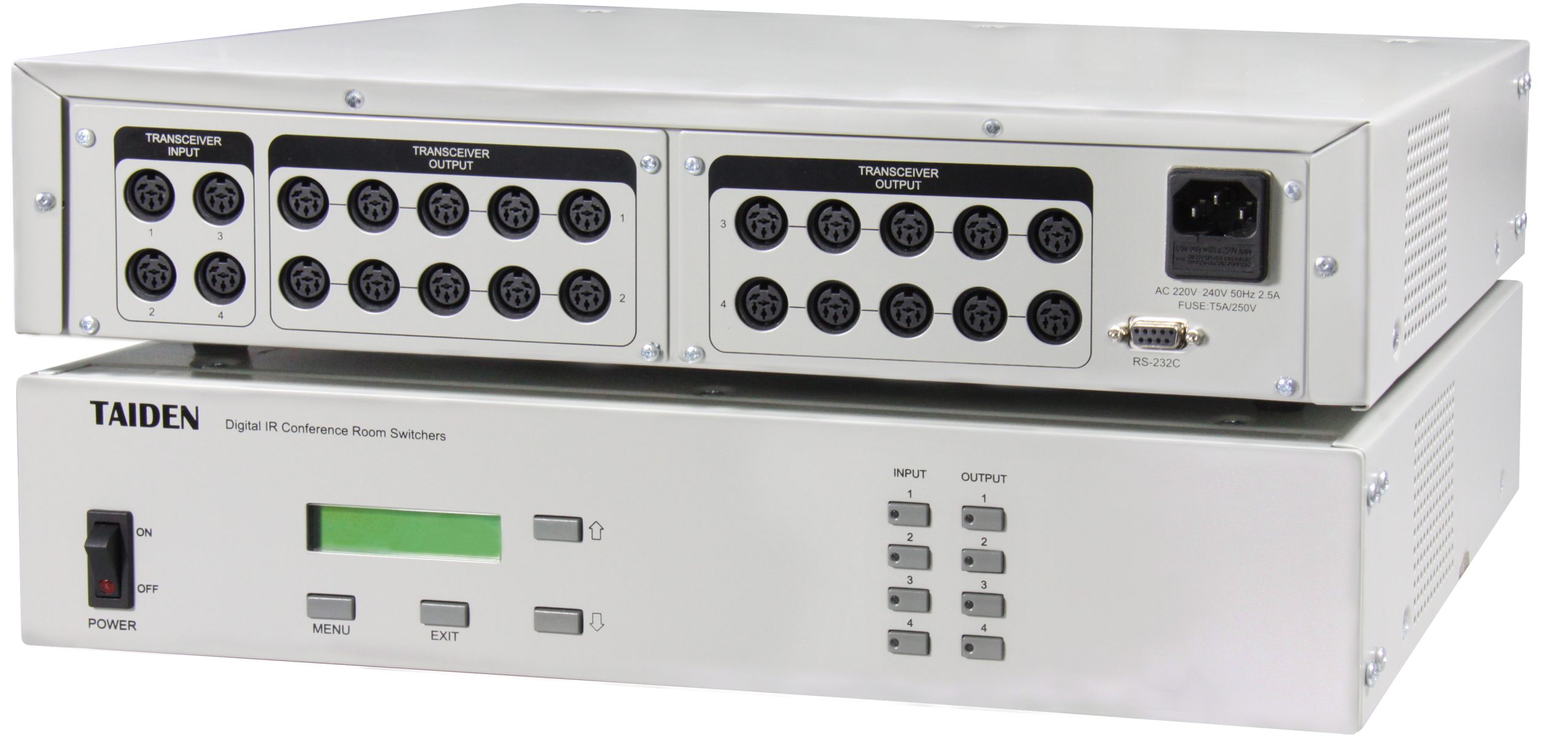
In most rooms, the weak link isn’t the mic—it’s the chain. A digital wireless discussion device has to juggle spectrum, speech clarity, and power in real time. Legacy gear leans on fixed channels and manual gain staging. That invites dropouts when RF noise spikes or when bodies block line-of-sight. Add a tight latency budget and the audio can drift from lips. Look, it’s simpler than you think: when QoS is static, your voice competes with everything in the air, and the room loses. Encryption like AES-128 is great, but if pairing protocols are clunky, teams skip best practices. Then you get surprise hiss, or worse, private talk bleeding into the next space—funny how that works, right?
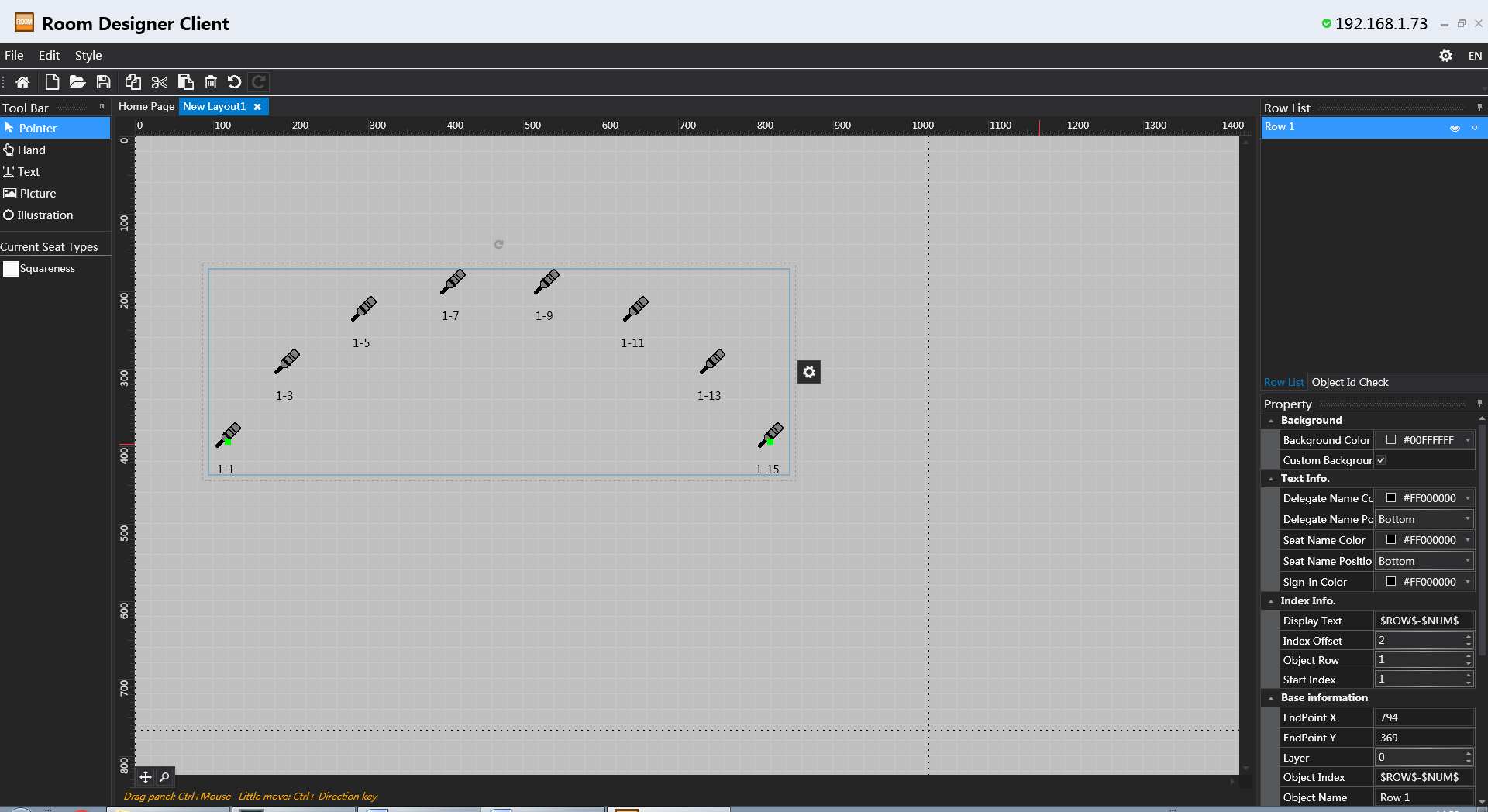
Hidden pain points live in daily use. Battery swaps break flow if battery management systems don’t predict capacity. Table moves wreck coverage if microphone arrays aren’t adaptive. And those slick all-hands spaces? They often combine reflective glass with soft furniture, a nightmare for DSP if presets aren’t room-aware. The fix isn’t more knobs. It’s smarter defaults and auto-protection when humans do human things—late arrives, new chair layout, or an impromptu panel that doubles the speakers on the fly.
Beyond the Buzz: What New Tech Changes
What’s Next
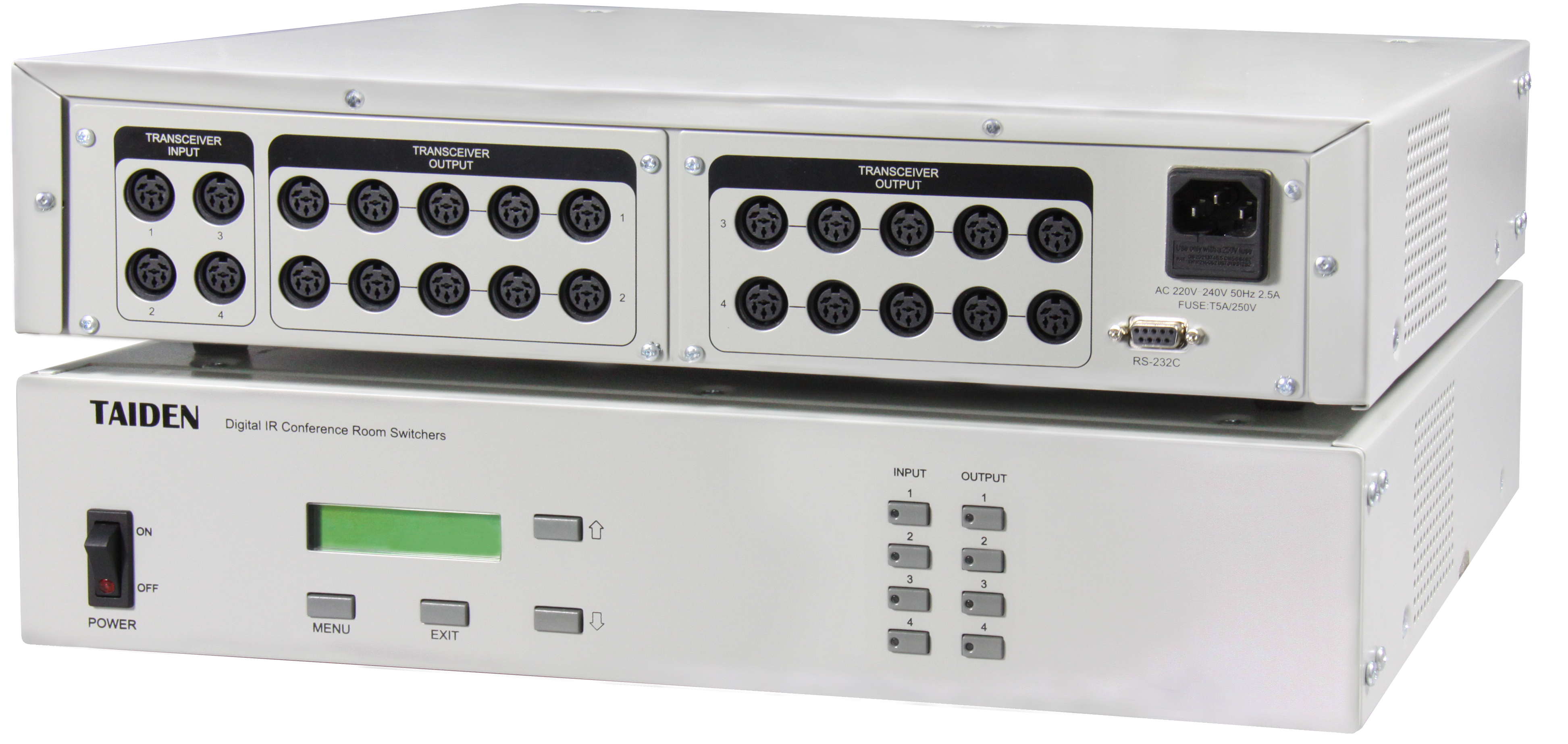
The new wave flips control from manual to adaptive. Instead of fixed channels, systems lean on dynamic spectrum allocation and OFDM, so mics hop clean air before users notice. Beamforming mics narrow pickup in busy rooms, which means fewer hot mics and clearer handovers. And when the core acts like edge computing nodes—processing echo and noise locally—latency stays low even under stress. This is where modern wireless meeting equipment stands apart: it synchronizes roles across speakers, recorders, and interpreters while guarding the signal path with redundancy. Not louder. Smarter. And yes, more forgiving when the room morphs mid-meeting (because it will).
If you’re comparing options, carry three yardsticks. First, resilience: does it handle RF interference spikes with graceful fallbacks and maintain intelligibility within your latency budget? Second, adaptability: can it auto-tune DSP and mic patterns as the seating plan shifts, not just at setup day? Third, operational clarity: do battery indicators, pairing, and role assignments make sense in the heat of the meeting—no manuals needed? Stack those against what you’ve seen in real rooms, not just spec sheets. You’ll spot the quiet winners fast—and you’ll save those first 10 minutes for the work that matters. For a deeper look at how this thinking shapes real products, see TAIDEN.