

Opening Scene: Beams, Bass, and a Split-Second Choice
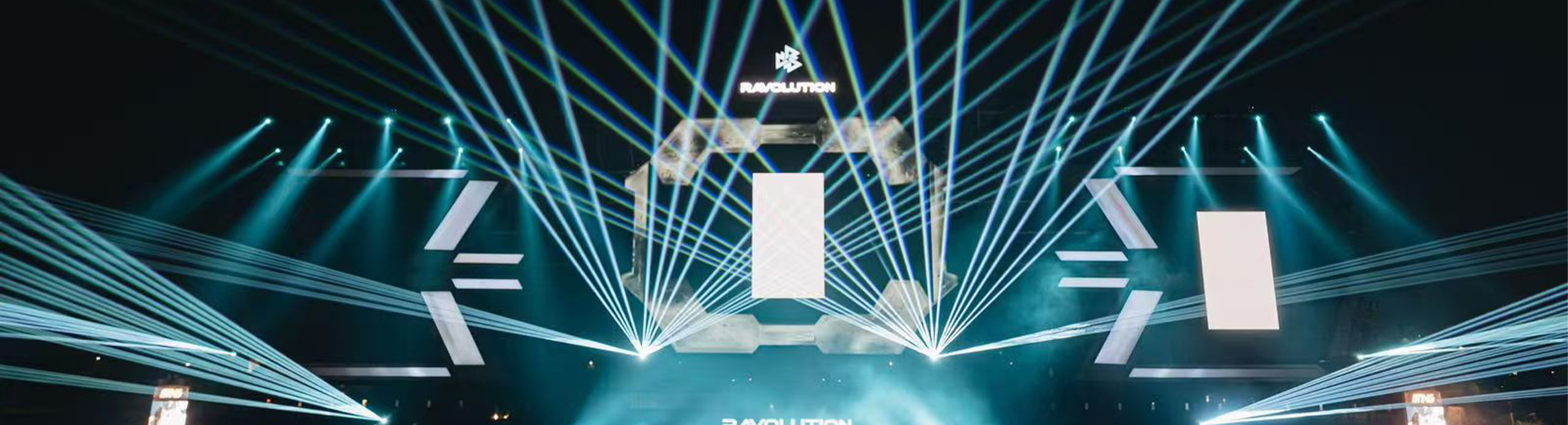
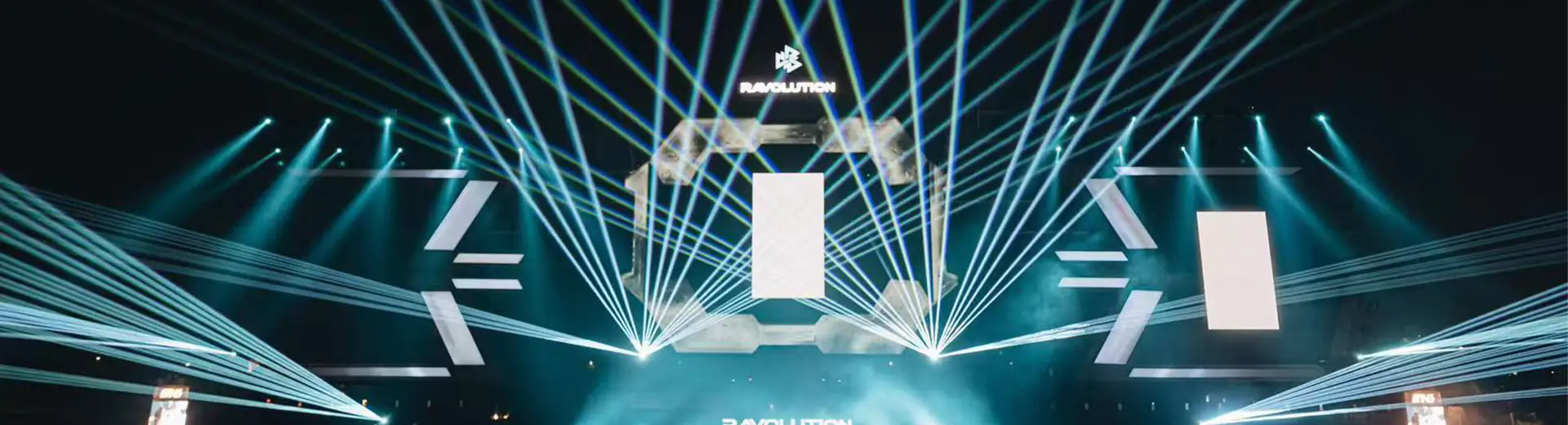
You step into the venue and the crowd already sways. Then the drop hits, and green lines slice the fog like a blade. These are not just lights; this is precision. You might think it’s only hype, but lasers for light shows shift the whole vibe—fast. A recent tour report said visuals boost recall by over 70% when timed to beat grids. That tracks, because beam divergence stays tight, so looks stay crisp even in haze. And hey, when cues miss, folks feel it—funny how that works, right?
Real talk: the old rigs buckle when venues get big, or when timelines get short. Lasers keep up with sync, power management, and safety zones, so the moment lands clean. So here’s the question: if the crowd needs memories, not just brightness, what tech actually delivers under heat, sweat, and seconds? Let’s roll to the trade-offs.
Hidden Friction: Why “Just Use Lights” Isn’t Enough
Where do shows actually fail?
Let’s get technical for a minute. Traditional fixtures flood the stage, but they blur at distance and eat headroom. Beam edges get soft, timing drifts, and media servers push frames with latency. Meanwhile, lasers output coherent light. With galvanometer scanners (galvos), ILDA control, and tight optical trains, shapes stay sharp across the room. Still, pain points hide in the setup. Safety interlocks need mapping. DMX or Art-Net patches collide under pressure. Power converters in the racks heat up and throttle. That’s when cues slip and the front row notices.
Another friction point is scaling. Clubs want fast changeovers; festivals want repeatable geometry. If your rig can’t auto-calibrate, alignment drifts as temps swing. Galvos can clip at high angles. Color balance skews as RGB diode arrays age. Look, it’s simpler than you think: the weak link is not brightness—it’s control. You need predictable scan speeds, clean signal paths, and beam attenuation maps that match the room. Otherwise, the show gets noisy. Not loud—messy. That’s the difference folks feel, even if they don’t have the words for it.
Comparative Edge: How New Principles Change the Show
What’s Next
Now let’s look forward, semi-formal and straight. New rigs add vision systems that “see” the room. Cameras read markers; software builds a 3D mesh. The engine then writes safe zones, aligns mirrors, and corrects beam paths on the fly. No more guesswork. Pair that with DSP-driven galvos, digital encoders, and linear color curves, and your vectors stay stable at speed. Edge computing nodes inside each unit handle micro-timing, so network jitter doesn’t wreck your scan. The result? Frames lock to timecode, and the silhouette you programmed is the silhouette they see—front to back.
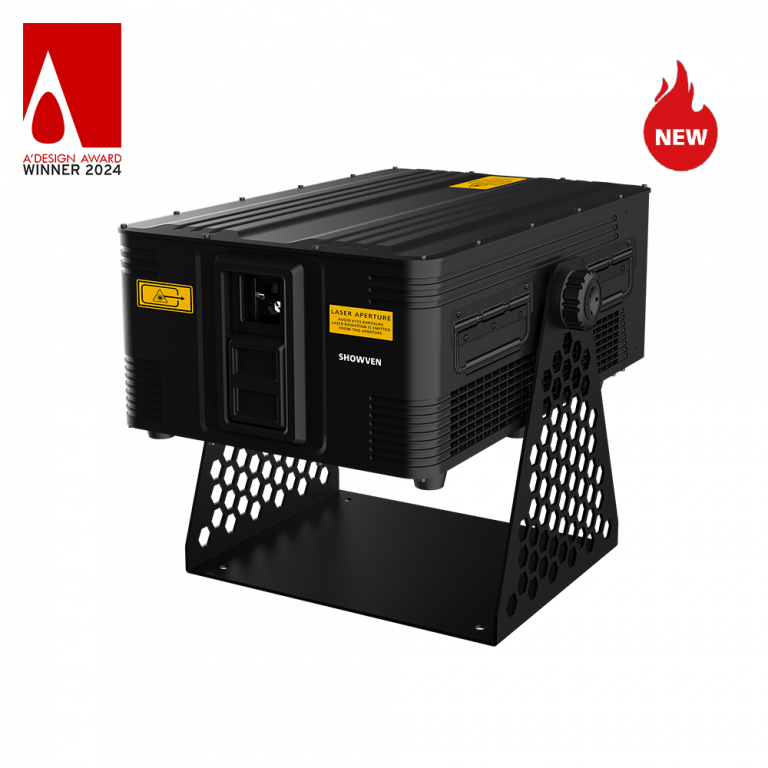
Hardware is catching up too. IP65 enclosures keep out dust and rain, while active cooling holds output steady over long sets. Better PFC power converters cut spikes and hum. And with modern protocols, your console talks clean to the laser light show machine. You want real-world impact? Think quick load-ins, consistent beams, and auto-safety checks that don’t slow you down. All that means the creative team can push story, not fight settings—funny how alignment unlocks artistry, right?
Takeaway and How to Choose
We’ve seen why lasers land sharper memories, why old workflows crack under time and scale, and how new systems close the gap with smarter control. So if you’re choosing a rig, weigh three metrics: 1) scan speed and accuracy at a stated angle (e.g., kpps at 8°) plus beam divergence stability; 2) control latency and protocol support across ILDA, Art-Net, or sACN, measured end-to-end; 3) safety, reliability, and environment readiness—think certified interlocks, IP rating, and thermal behavior over a full-duty cycle. Get those right, and the rest—content, pacing, mood—gets easier. For deeper specs, explore builders like Showven Laser and compare with your venue’s realities.