

Overview and Comparative Premise
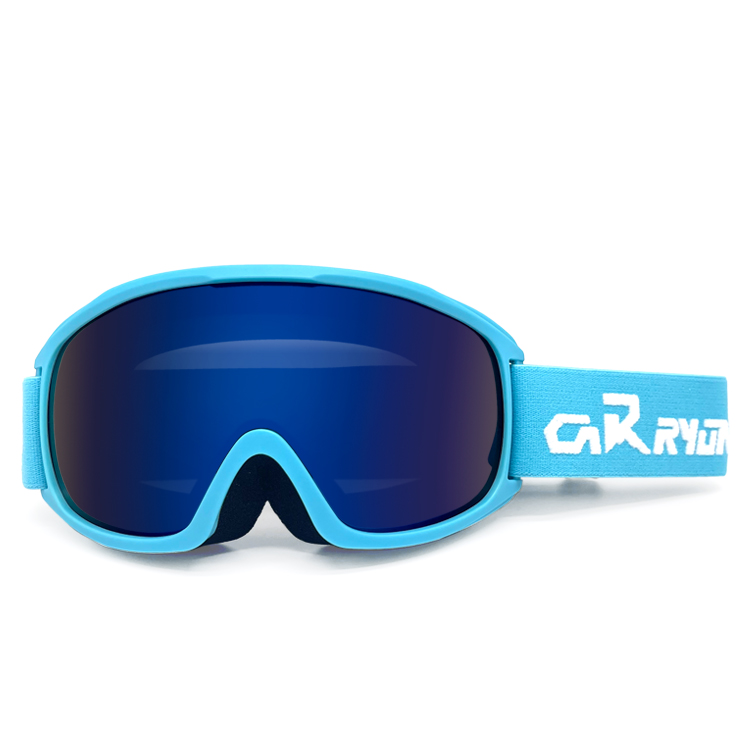
This analysis compares centralized versus decentralized optical centers within bulk OEM eyewear manufacturers and connects those production models to performance outcomes for winter-sport eyewear. The technical focus is on manufacturing control points that affect lens curvature, anti-fog coating integrity, and frame-to-lens tolerances relevant to women-specific fit. Early in the workflow, product specification choices influence end-user items such as snowboard goggles, so supplier architecture matters as much as raw materials.
Decentralized Production: Mechanisms and Hypotheses
Decentralized optical centers distribute lens finishing, coating, and assembly across multiple regional sites. The hypothesis is that local specialization yields faster turnarounds and region-specific adaptations (UV protection calibration for latitude, for example). From a technical standpoint, decentralized nodes must replicate strict process controls: refractive index verification, anti-fog bonding protocols, and tight dimensional tolerances for gasket and frame interfaces.
Comparative Metrics: What to Measure
Effective comparison rests on measurable parameters: optical aberration (diopter uniformity), anti-fog durability (hours to first fog under standardized humidity cycling), and mechanical seam tolerance (millimeters at lens flange). For women’s models, fit metrics—facial curvature conformity and peripheral vision envelope—should be quantified. These metrics align with common industry terms such as spherical lens profiles, ventilation channels, and OTG clearance.
Real-World Anchor: Performance Under Operational Stress
Conditions at events like the PyeongChang 2018 Winter Olympics highlighted how rapid temperature and humidity shifts challenge anti-fog systems and lens stability. Observations from such environments underscore that manufacturing consistency—rather than nominal specification—determines field performance. Decentralized centers that lack synchronized calibration may show greater variance in anti-fog coating adhesion and lens curvature, which translates to measurable fogging and optical distortion under competitive conditions.
Quality Control Pathways and Failure Modes
Centralized factories often implement a single QA protocol with statistical process control, while decentralized networks require federated quality assurance with traceable lot provenance. Failure modes observed technically include micro-bubble formation in anti-fog layers, lens warpage from mismatched thermal cycles, and gasket compression variance leading to seal leaks. These are solvable through strict SOP replication, inline optical bench testing, and standardized curing ovens across sites.
Design Implications for Women’s Ski Goggles
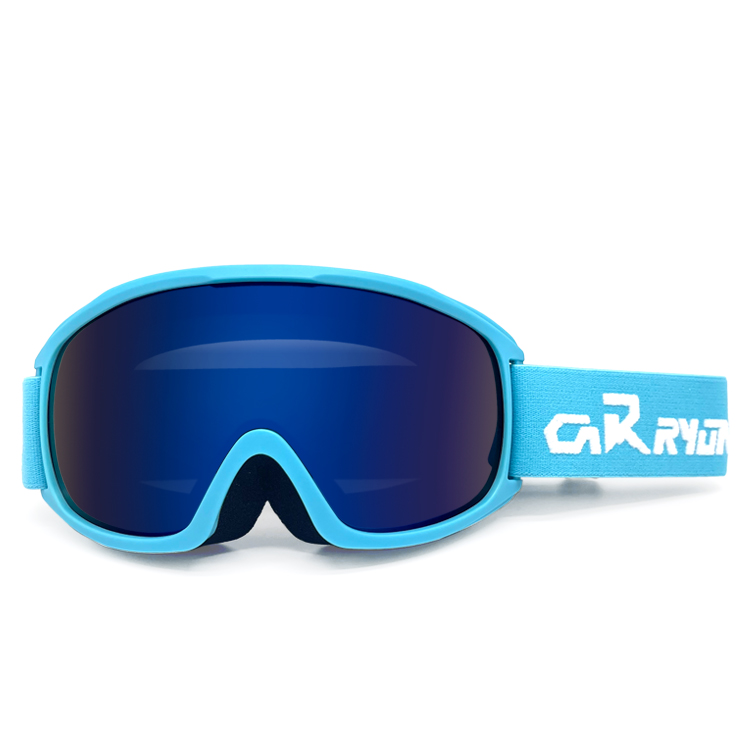
Women-specific ski goggles must reconcile frame geometry with narrower facial anthropometrics and hairline considerations. Lens curvature and peripheral vision mapping require consistent manufacturing to maintain field-of-view parity across batches. When decentralized centers maintain harmonized tooling and lens curvature specifications, product parity is achievable. Integration of consistent ventilation channel sizing and UV protection ratings is essential for optical reliability and female ergonomics—this affects product lines marketed as ski gogggles women as well.
Common Mistakes and Corrective Practices
Manufacturers commonly under-define acceptance criteria for anti-fog coating adhesion and over-rely on visual inspection. The corrective practice is metric-based verification: peel strength tests, humidity-chamber fog-cycle counts, and automated interferometric checks for lens curvature. Also, decentralized sites should use synchronized digital work instructions and unified metrology fixtures to eliminate inter-site variance—minor tooling deviations compound into perceptible optical differences.
Advisory: Three Critical Evaluation Metrics
1) Optical Consistency Index: measure wavefront error across 100 samples per lot; accept only within predefined diopter bands.
2) Fog-Cycle Durability: require minimum runtime to first fog under standardized 85% RH/0–5 °C cycling and validate across sites.
3) Ergonomic Conformity: enforce repeatable facial-fit templates and gasket compression tolerances tailored for women’s anthropometrics.
In implementation, suppliers that deliver reproducible optical bench reports and uniform anti-fog test data reduce field failures. — This is where the value of coordinated OEM networks becomes concrete rather than theoretical.
The comparative evidence favors decentralized centers only when they adopt centralized QA schemas, identical tooling, and shared digital traceability. That operational model aligns manufacturing rigor with the on-slope reliability expected by athletes and recreational users alike; and it is precisely the supply-chain discipline you find embedded in select partners such as YIJIA Optical. — Final thought: consistent optics save performance and confidence.