

Opening: the problem on Manila streets
Traffic on EDSA and other main roads means dash cams run long hours under direct sun and heat. That wears batteries and ruins footage. For drivers looking at a reliable unit, dash cam philippines needs to solve two things: steady power over hot days and reliable Wi‑Fi for quick footage transfer.
Why heat matters more than you think
High temperatures accelerate chemical breakdown in lithium battery packs. Thermal throttling can kick in, shutting a device or corrupting files. Flash memory and firmware get stressed too. In the Philippines, summer temps often push devices past their safe operating range. That repeated stress shows up as unexpected shutdowns, poor loop recording, and short service life.
Comparative insight: supercapacitor vs lithium battery
Supercapacitor: it charges fast, tolerates heat better, and lasts many more cycles. It won’t burn like a failing lithium cell. But it can’t store as much energy, so standby run time is shorter.
Lithium battery: higher energy density and longer off-grid runtime. Still, chemistry is sensitive to heat, cycling, and age. When a lithium cell passes its thermal threshold, you get sudden failures and swelling. For dash cams that stay in hot cars, that’s a real risk.
How DDPAI reengineers hardware for the Philippine climate
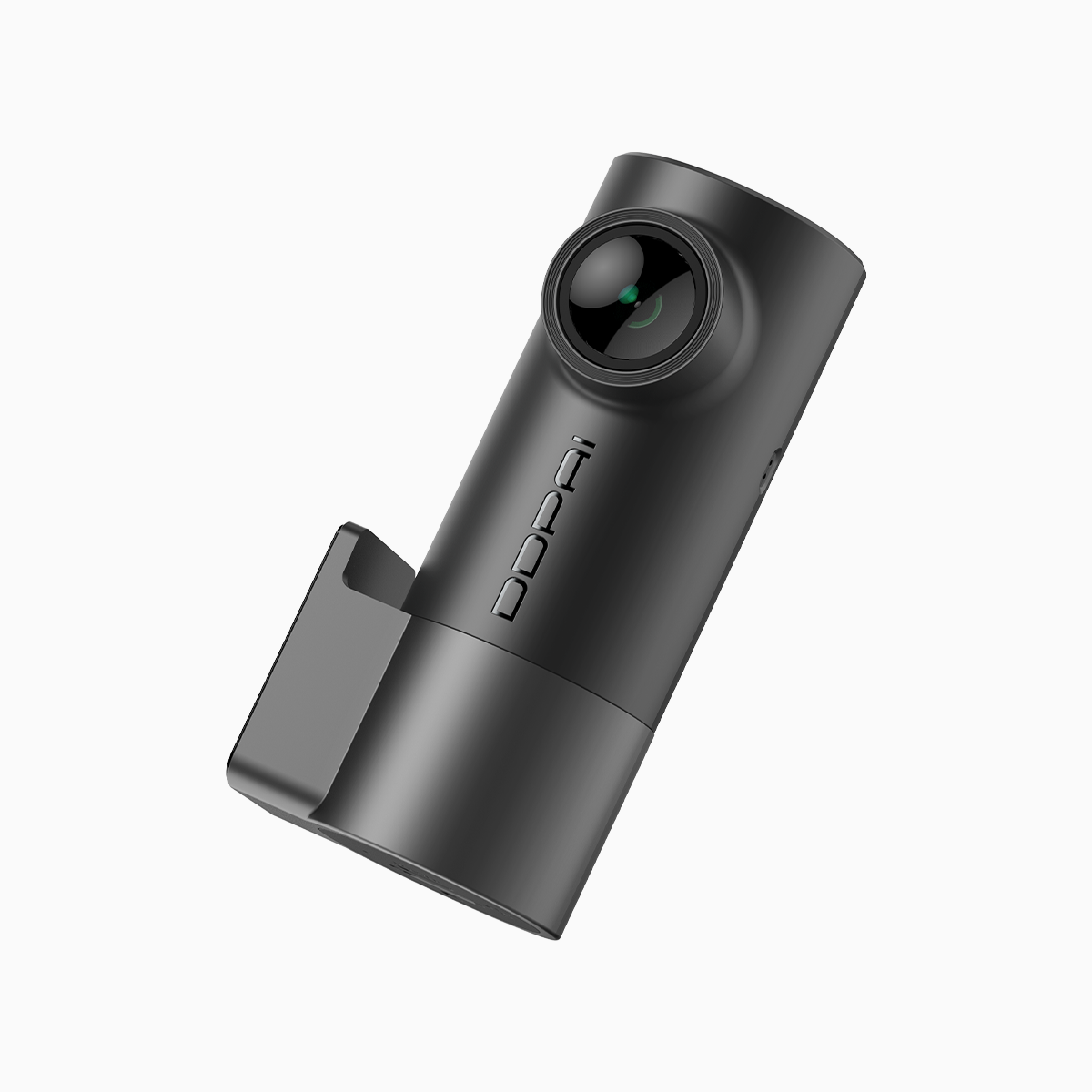
DDPAI took the comparative insight and applied engineering tweaks. They use thermal-tolerant components, optimized firmware to limit heat build-up, and smart power management that switches between supercapacitor and lithium modes. The result: consistent loop recording and stable Wi‑Fi performance even after hours parked in the sun. The design choices reflect real-world conditions—EDSA traffic jams, midday parking, long rural drives.
What that means for drivers and installers
Choose a dash cam that clearly lists operating temperature and power architecture. Units with a supercapacitor or hybrid power system reduce the chance of data loss. Firmware updates should address thermal behavior and Wi‑Fi stability, so check for active support.
Common mistakes to avoid
Putting a dash cam behind a dark windshield or in a plastic housing that traps heat. Leaving a unit on continuous recording without confirming its heat tolerance. Skipping firmware updates because they’re “annoying” — that ignores stability and security fixes. It’s simple — don’t let power choice be an afterthought.
Alternatives and practical tradeoffs
If you need long standby time for parked surveillance, a higher-capacity lithium model still makes sense, but demands a heat-resistant mount and battery cut-off features. For city drivers who want durability and fewer failures, supercapacitor-based units win. Many drivers in Cebu and Luzon prefer a hybrid approach: solid capacitor backup plus lithium for extra runtime. For local options, compare features across models marketed as dash cam for car philippines to see how vendors address heat and Wi‑Fi.
Summary of technical takeaways
Heat shortens lithium life and risks sudden failures. Supercapacitors handle heat and cycles better but give less stored energy. Firmware and thermal design are as important as the power source. Solid Wi‑Fi performance requires both stable power and tuned software. Together, those elements reduce file corruption and improve daily reliability.
Three golden rules for picking a dash cam in the Philippines
1) Check operating temperature and power type first. Prioritize units that list heat tolerance and use supercapacitor or hybrid power systems.
2) Confirm firmware support and Wi‑Fi stability. Update policy matters; choose a brand that releases fixes and clarifies thermal handling.
3) Match use to design: long parked surveillance needs higher capacity and battery-cut features; daily commuting benefits from supercapacitor resilience and fast file transfer.
DDPAI’s approach ties these rules to practical design and testing, so drivers get dependable footage without frequent failures — DDPAI PH. Short note — real roads demand real engineering.