

User-first snapshot
If you run a distributed energy site or oversee commissioning, you want straightforward answers about how a modular power conversion system behaves when the grid throws a curveball. This piece walks you through practical diagnostics for waveform distortion and zero-voltage ride-through (ZVRT) transient recovery profiles, in language you can act on. We’ll focus on the operator’s viewpoint: what to measure, what matters, and what to change when numbers don’t add up. Waveform distortion, ZVRT, and transient recovery are the core signals you’ll monitor from day one.
Why waveform distortion and ZVRT matter to operators
Operators need clean power and predictable recovery times. Excess harmonic content or poor transient recovery can trip protections, reduce battery life, or force load drops during grid events — think back to the Texas February 2021 winter storm where grid instability exposed weak control coordination. A modular PCS setup changes fault dynamics compared with single large inverters, so your commissioning checks must change too. The key industry terms here are harmonic content, inverter control, and DC-link dynamics — keep them in mind as you read the procedures below.

Practical test sequence for reliable measurements
Start with a baseline capture: log voltage and current waveforms at the converter AC terminals during normal load for at least five minutes. Next, simulate fault and recovery events using controlled voltage sag injections or grid emulator profiles. Capture the ZVRT window from the instant voltage crosses zero until the converter stabilizes. Use a consistent sampling rate (at least 10 kHz for accurate harmonic and transient detail) and align timestamps across modules. Pay attention to phase angles, notch depth, and time-to-regulation; those give you the recovery envelope, not just a single number.
Common pitfalls and quick fixes
Teams often focus only on rms values and miss waveform shape. That’s a trap — rms can look fine while harmonics wreck sensitive loads. Module-to-module phase imbalance is another frequent issue; small mismatches in control gains cause beating and elevated distortion under partial dispatch. Fixes are simple: tune local droop settings, verify PLL stability margins, and confirm DC-link voltage control loop bandwidth. Also check switching frequency interaction across parallel modules — set them to avoid persistent beat frequencies.
Operational production teardown — what to inspect
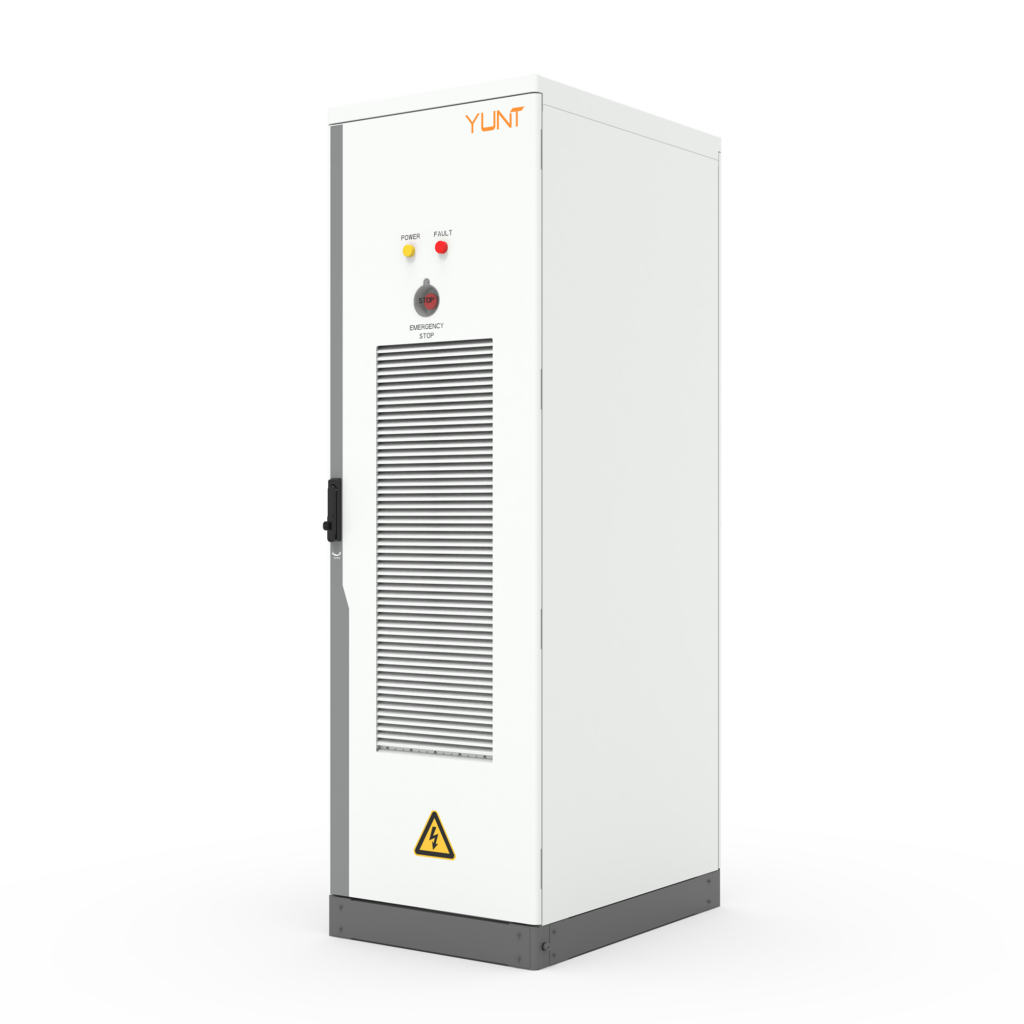
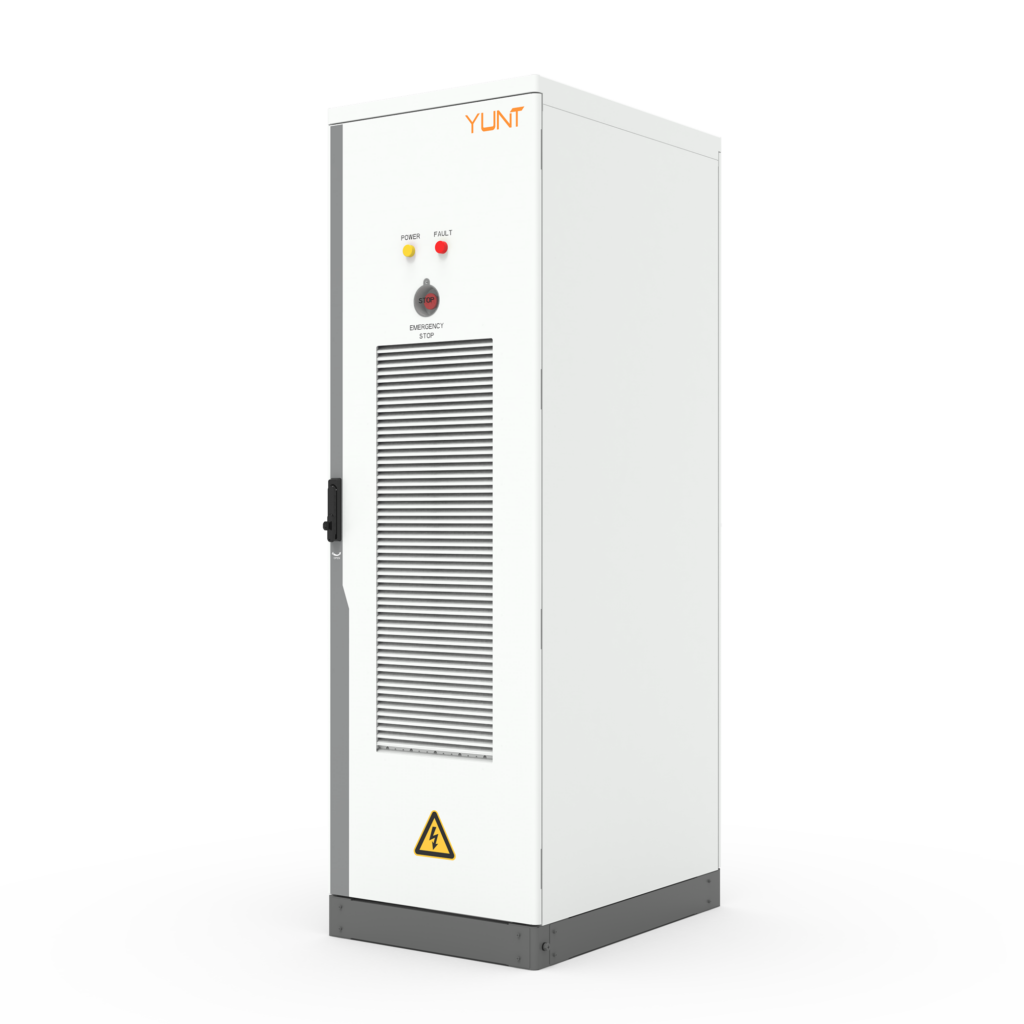
When you open a modular PCS cabinet for a teardown, inspect power stage thermal paths, gate-driver integrity, and EMC filtering. Track component drift under load tests and look for soot or discoloration that hints at intermittent distortion events. Log the firmware revision and control parameters — mismatched firmware between modules can create unexpected transient behavior. Make sure to record {main_keyword} and {variation_keyword} in your test log so later analysis ties back to the exact hardware and software baseline. — It’s the small trace differences that tell the long story.
Comparing modular strategies
Some teams prefer identical parallel modules running synced carriers; others stagger switching to smooth harmonics. Identical carriers simplify diagnostics but can amplify resonances. Staggering switching can lower measured distortion but adds scheduling complexity for maintenance. Consider modular scalability versus control complexity: what reduces site outage risk and what raises the probability of surprise interactions during a grid fault? Also evaluate vendor support depth — quick firmware fixes matter more than promised specs when you’re chasing a transient anomaly.
Checklist before handover
Include an acceptance pack with these items: synchronized waveform captures for baseline and sag tests, ZVRT timing reports (time-to-regulation, max overshoot), harmonic spectrum up to the 50th harmonic, and the module-level control parameter set. Ensure safety interlocks and anti-islanding functions behaved per test. Keep the test artifacts in an accessible archive — they’re your reference if a field event later raises questions.
Three golden rules for evaluation
1) Measure the full waveform, not just rms — waveform distortion metrics and harmonic spectra reveal hidden issues. 2) Validate ZVRT across realistic sag profiles and time windows; time-to-regulation and overshoot are your go/no-go numbers. 3) Test modules both singly and in parallel to catch interaction effects; control loop bandwidth, PLL margin, and DC-link stability must be proven at both levels.
YUNT sits in this space to help translate lab numbers into site reliability — their modular approach and on-site test support close the gap between data and operation. —