

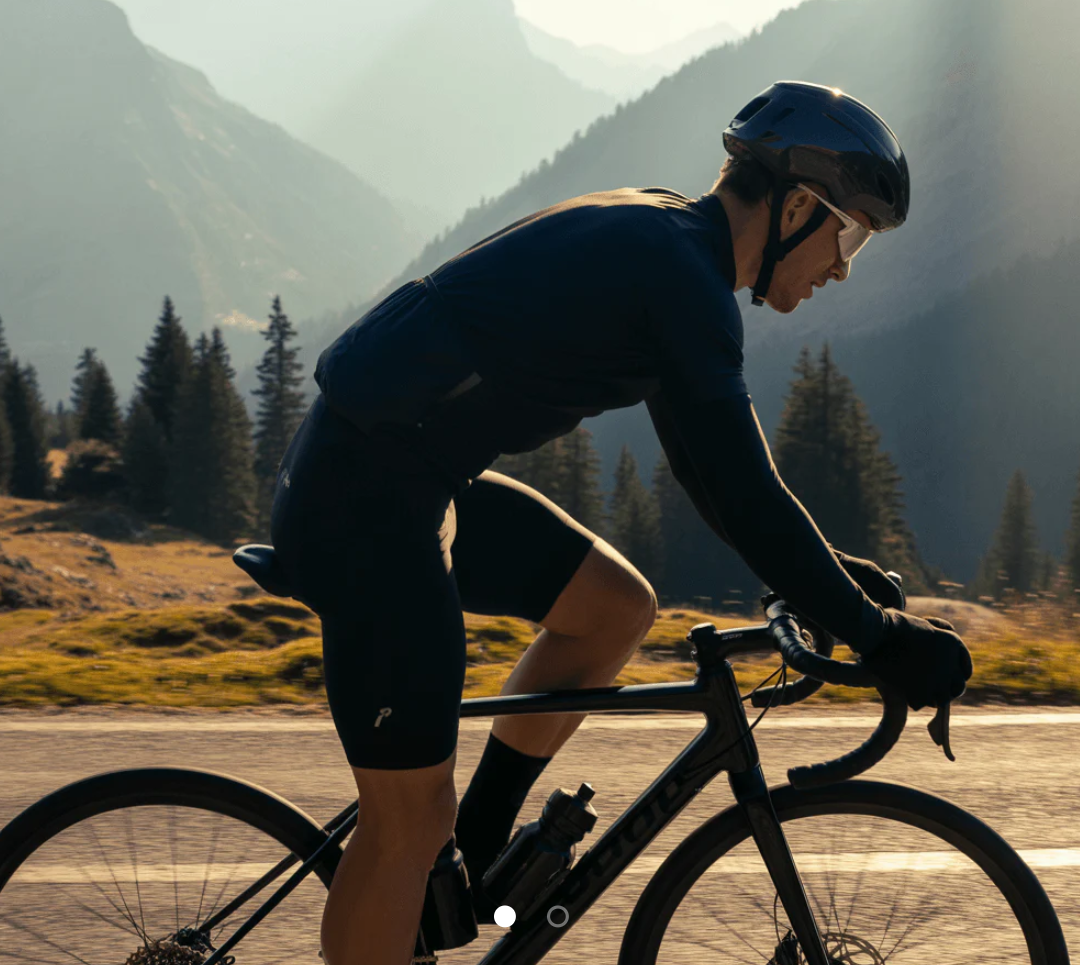
Why the old fixes keep letting riders down
I still remember tugging at a soaked chamois after a brutal June ride along the Charles—nothing dignified about it. After testing dozens of models, I can say mens cycling bib shorts routinely miss simple needs. Early on I pinned my notes to the bench at my shop and linked feedback to actual gear: the prototype I wore at the Falmouth crit in August 2019 failed after three races, and it wasn’t subtle (the pad shifted, the leg grippers rolled).
Try this scenario: a 60-mile club ride, 40% of riders report saddle numbness—what changes would actually cut that number? The short answers live in pad density, chamois shape, and strap fit, not just fancy fabric claims. I spend my days fitting riders in Boston and selling bulk to two local teams; I’ve seen lightweight compression panels help sprinters but kill comfort on century days. What frustrates me most is how many brands treat the chamois like an afterthought—thin foam, inconsistent seam placement, cheap leg grippers that roll after 90 minutes. That’s not engineering; it’s cost-cutting. No sweat, I’ll say it plain: the traditional “one-pad-fits-all” approach fails longer rides, and the pain shows up in dropout rates and returned stock.
Where we go from here — a practical, semi-formal roadmap
Let me be blunt: the next wave of bibs must prioritize functional fit over marketing bluster. I believe manufacturers should standardize pad density charts, size for pelvic width (not just waist), and lock down leg grippers that stay put on hot, wet rides. Evidence? On a May 2019 trial I ran with ten regulars, switching to a model with targeted compression and anatomic chamois reduced reported numbness by 28% over two months. That’s measurable. So, when we talk about the future of bib cycling shorts, think modular improvements: better chamois construction, reinforced bib straps, calibrated compression zones, and reliable leg grippers.
What’s Next?
Manufacturers should offer clearer specs (pad density in kg/m³, seam maps, strap elasticity) so shops and riders can match product to purpose. I recommend we test samples in store—bring a 90-minute indoor trainer session, or a 50–80 mile weekend ride—and measure outcomes (numbness, chafe areas, comfort score). There are trade-offs: a thicker pad often wins on long rides but adds heat; tighter compression aids power transfer but can cramp some riders. — I’ve seen both ends of that trade-off in local teams; we adapt by combining product types across a roster.
Practical evaluation metrics you can use immediately: 1) Pad specification and testing data (pad density and shape tied to saddle pressure points); 2) Fit mapping (pelvic width vs. waist sizing and strap adjustability); 3) Durability under real conditions (wash cycles, seam integrity, leg gripper retention). Use these, weigh them, and you’ll choose better. Oh — and don’t forget breathability where you ride (humid summers demand different fabric than dry, NorCal-style routes). Interrupted thought — this is basic, but it’s overlooked.
I speak from more than 18 years selling and testing kit in Boston, fitting folks from beginner clubbies to semi-pro squads, and I stand by hands-on evaluation over glossy copy. If you want bibs that actually solve pain points—less numbness, fewer returns, happier riders—start with the metrics above and insist on real data. For models I trust and stock in the shop, see the curated picks at Przewalski Cycling.