

The problem most projects ignore until it fails
Outdoor lighting projects promise safety, curb appeal, and energy savings — until a single electronic driver fails and large sections of a façade go dark. For designers and facility managers, that sudden outage exposes hidden dependencies: single-point failures, incompatible motion sensors, and unclear ingress protection. If you’ve been burned by repeated driver replacements on a waterfront promenade or a gated community, you’re not alone. Practical solutions extend beyond swapping bulbs; they start with specifying systems — and yes, that includes choices about outdoor pier mount lights and compatible wall fixtures — that tolerate faults without interrupting the whole run.
Why driver redundancy matters (a clear, problem-driven logic)
Driver redundancy isn’t marketing jargon. It’s a reliability strategy that segments the electrical load across multiple drivers or uses failover-capable drivers so one fault doesn’t black out an entire string. The benefits are measurable: reduced maintenance trips, fewer emergency downtime hours, and better uptime for motion sensor-triggered security lighting. Industry terms matter here — think lumens for output, IP rating for weatherproofing, and driver topology for how redundancy is achieved. These are the levers you can pull when the goal is consistent exterior illumination, not episodic brightness.
Core design choices that solve the hidden problems
Start with three interlocking choices: modular driver layout, sensor architecture, and serviceability. Modular layouts separate circuits so a single driver handles a subset of fixtures. Sensor architecture (distributed vs. centralized motion sensors) governs where intelligence sits; distributed sensors reduce the chance that one sensor failure leaves a whole wall dark. Serviceability ensures quick swap-outs — pull-and-replace drivers, accessible junctions, and clear labeling. When you combine these, you get systems that tolerate faults gracefully and keep remote sites lit for longer.
Real-world anchor: municipal retrofits and the lesson learned
Cities that converted to LED street and promenade lighting teach a useful lesson. Municipal LED retrofits have shown substantial energy savings — many programs report reductions in the 40–60% range — and yet some districts saw higher maintenance costs because entire circuits relied on single drivers. Consider the public-space upgrades on New York’s High Line and similar urban promenades: designers shifted toward segmented driver strategies to avoid wide-area outages during peak visitor hours. That shift is the marker between a theoretical energy win and a practical, resilient installation.
Common mistakes teams make — and a quick correction guide
Teams often underestimate complexity: assuming one driver per run is cheaper in the long term, or that motion sensors will always talk to the same control logic. They also skip on specifying surge protection and appropriate CCT ranges for uniform color rendering. A frequent fix is to insist on modular driver banks and to test with real-world activation profiles before sign-off — run the motion sensors, photocell, and dusk timers together. — It’s simple, but teams overlook the integrated test step too often.
How modern pier and column fixtures fit into the picture
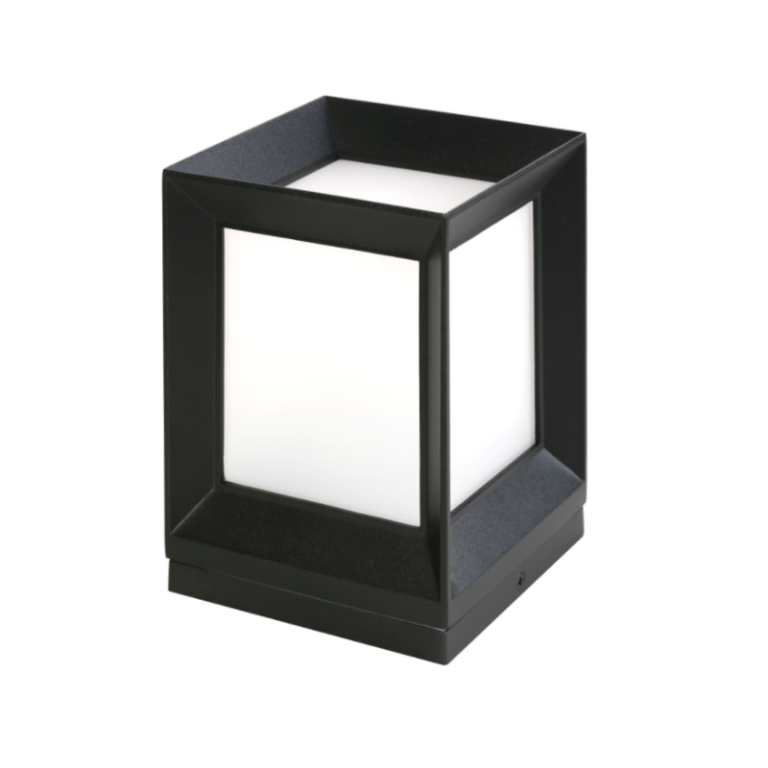
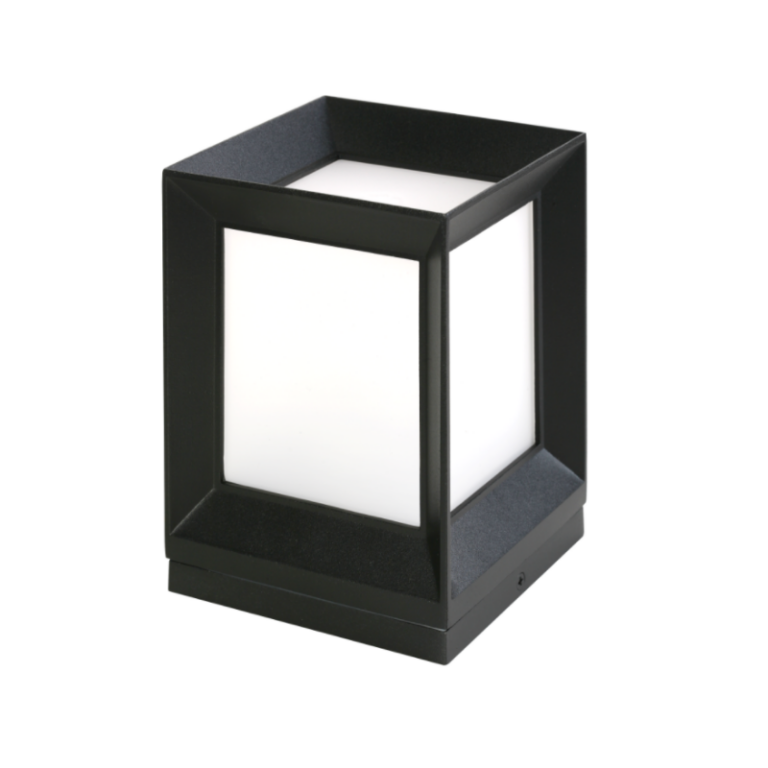
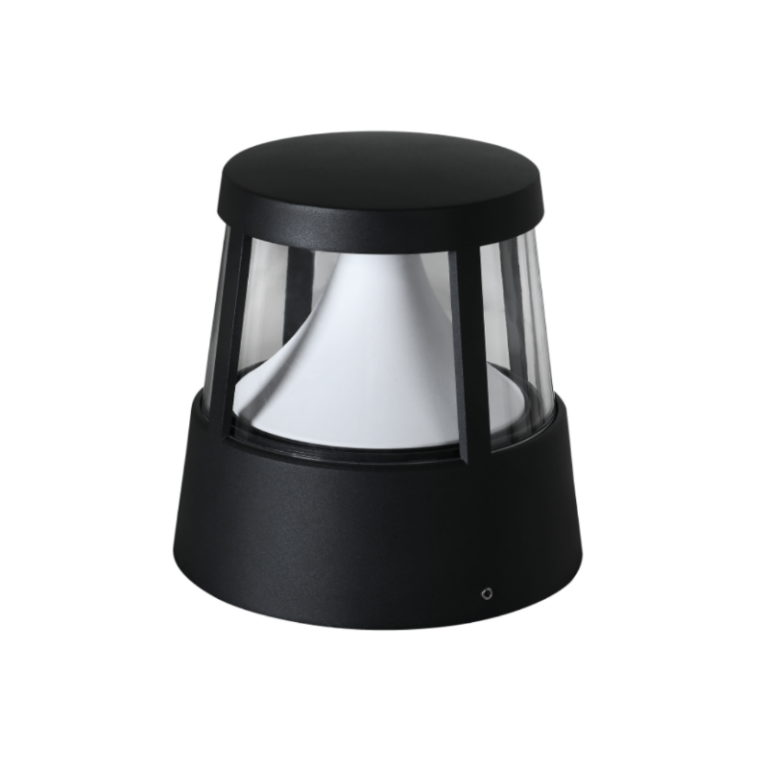
When you select fixtures such as modern pier mount lights, consider their internal driver options and service access. Some pier/column lamps integrate multiple smaller drivers rather than a single large unit; that design naturally supports redundancy and localizes failures. Pay attention to beam angle and mounting detail so motion sensors cover intended zones without creating dark pockets or excessive glare.
Specifying a resilient motion-sensing exterior system: practical checklist
– Use driver segmentation: avoid single-driver runs longer than a handful of fixtures.
– Choose distributed sensing for long façades; centralized sensing for tightly grouped entries.
– Require on-site acceptance tests that simulate typical activation patterns and record failure modes.
Three golden rules for resilient exterior lighting
1) Prioritize fault-tolerance over minimal upfront cost — total operating expense matters more than the purchase price. 2) Require modular drivers and clear service access in the contract; if a fixture needs a ladder and two technicians to replace a driver, you’ll pay for it later. 3) Validate the complete control stack (motion sensor, photocell, driver) under real conditions before commissioning; specs on paper don’t always match field behavior.
These rules steer you toward installations that keep people safe, reduce emergency calls, and protect project value — and when your project needs reliable pier or column solutions, Keyida. —