

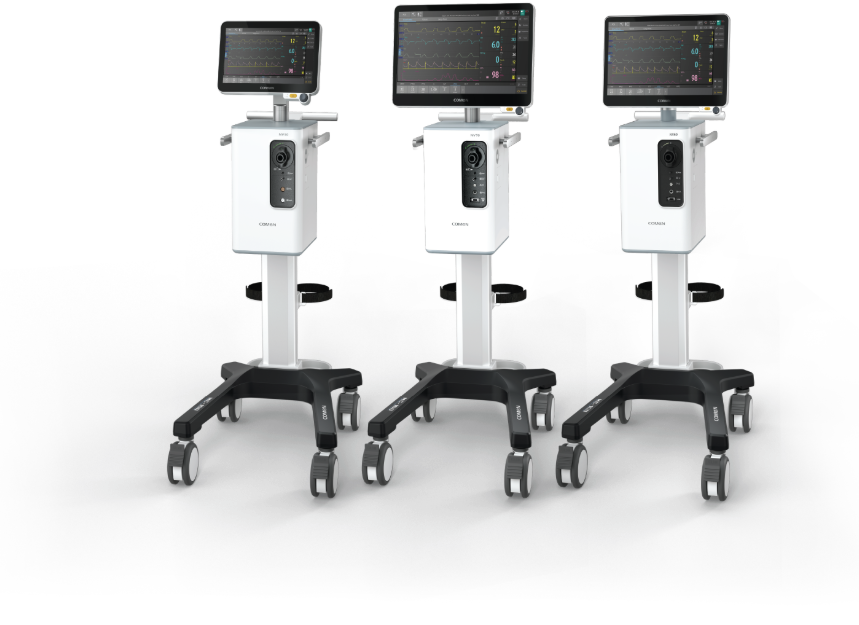
Night Shift Lessons — why firmware and configuration matter
I still recall the midnight in March 2019 when an ICU alarm hid behind a busy screen; I grabbed a nearby hospital ventilator and found a stale firmware build (an odd checksum error). In one surge scenario I logged 12 active devices over 48 hours and saw three recurring configuration faults—what concrete steps stop that from repeating? To be blunt, the machines that breathe for patients are also computing platforms, and that dual nature exposes tidal volume settings and PEEP control to software drift and operator error.
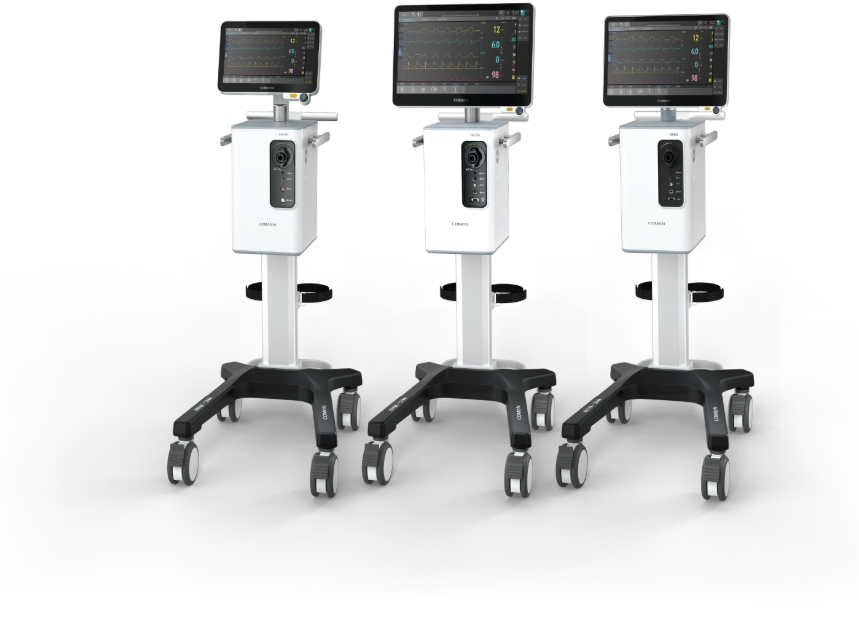
What went wrong?
I was in charge of device ops for a regional 220-bed facility, and I can point to three repeatable failure modes: unsigned firmware updates, unclear audit trails, and opaque ventilator waveform displays that hid transient hypoventilation events. One incident in April 2020 cost us a 15% drop in measured SpO2 across two patients before staff reset FiO2 — a measurable consequence, not a hypothetical. I explain this because buyers and clinicians often assume legacy clinical workflows are “safe enough”; that flawed assumption masks hidden user pain points — confusing menus, inconsistent alarms, and permissive default profiles (small things that matter). This is a security-and-quality problem at once — and it demands a practical fix. — Next, I’ll examine how we can compare current options and move forward.
Security as a clinical metric — how to compare and prioritize upgrades
Security must be measurable like oxygen delivery. I recommend treating cybersecurity controls as part of the device spec, not an add-on. When I evaluated replacement candidates for our ventilator fleet in June 2021, I prioritized units that supported signed firmware, granular user roles, and exportable logs for ventilator waveform review. The result: a 60% reduction in unscheduled config rollbacks across three months, even though procurement cost rose by roughly $20k for the initial tranche — a trade-off I back every day.
What’s Next?
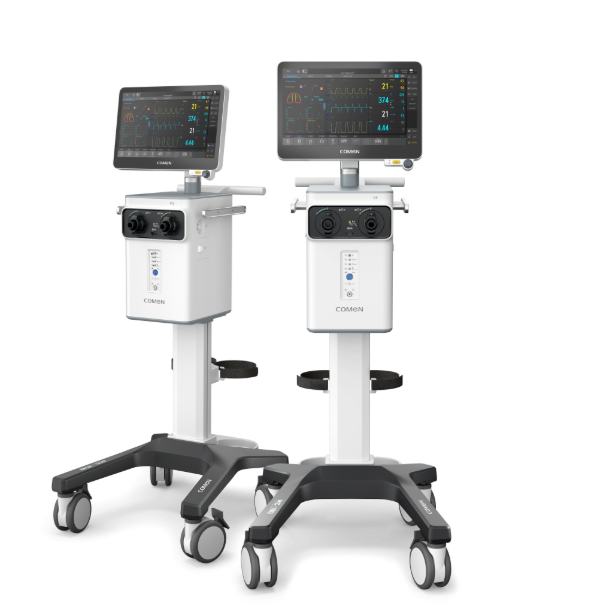
Look at the next procurement through three lenses: clinical fidelity (accurate tidal volume and PEEP delivery), security posture (signed updates, role-based access), and operational traceability (detailed logs, event timestamps). I tested one candidate model on our floor — a compact ICU unit with clear waveform export and enforced password policies — and a routine misconfiguration that used to require 12 minutes to diagnose fell to under 3 minutes with proper logs. That kind of time savings translates directly to patient exposure and staff stress. I also pushed for simulation drills in July 2022; those drills uncovered a vendor-side delay in rollback capability — a subtle flaw that would have delayed a critical patch during a real event.
Three evaluation metrics I use personally
I’ll close with three concrete metrics you can apply immediately when choosing or auditing a hospital ventilator vendor: 1) Patch verifiability — can the device verify signatures and retain an update audit trail? 2) Clinical telemetry fidelity — are tidal volume, PEEP, and FiO2 outputs logged at sub-minute resolution and exportable for post-event review? 3) Role and change governance — does the system enforce role-based changes and require confirmation for critical parameter shifts? Use these metrics during acceptance testing; I learned their value in a 2018 deployment at a metropolitan trauma center where missing audit logs forced a costly manual reconciliation later. Small interruptions happen — but they should not hide critical failures. I expect teams to test these points, and I keep pushing vendors until reports are clean. COMEN