

The problem: small seal failures that create big bottlenecks
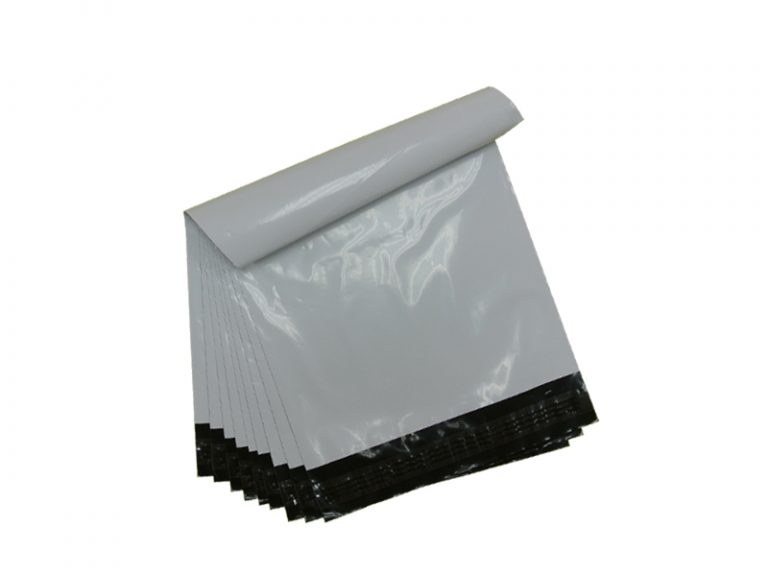
Fulfillment teams face a deceptively small problem: a single failed seal on a shipment can trigger rework, customer complaints, and unexpected handling steps. When you run high-volume lines, those minutes add up into hours of downtime — and that’s before you factor returns and lost inventory accuracy. That’s why switching to premium eco-friendly poly mailers with engineered redundancy in the self-seal strip becomes more than a packaging choice; it’s a throughput decision. For many operations, replacing generic sacks with reliable white poly bags for shipping reduces manual interventions and stabilizes pack-line velocity.
Why redundancy in the self-seal strip matters
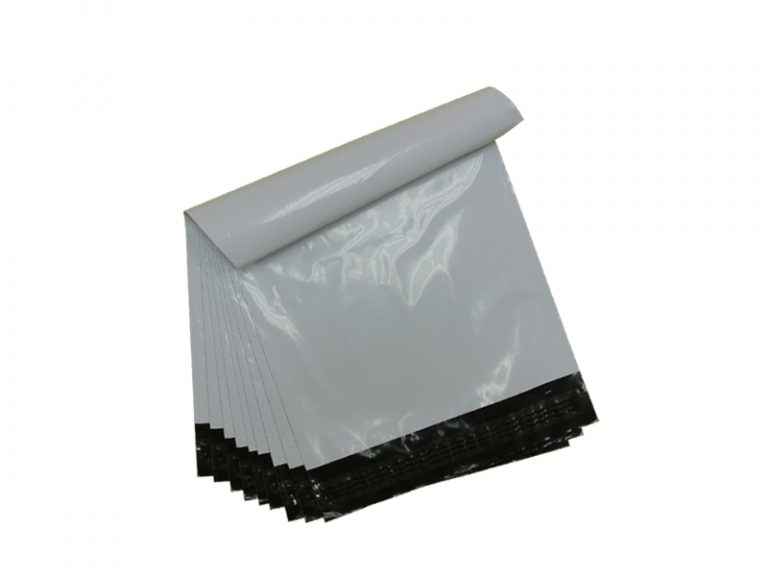
At a systems level, redundancy reduces single points of failure. A double-layer or overlapping self-seal strip minimizes reseal attempts and prevents partial closures that foil barcode scans or tamper flags. Practically, that means fewer exceptions routed to quality control, fewer halted conveyors, and a steadier SLA for same-day shipping promises. In collaborative operations where packing and fulfillment engineers iterate together, redundancy is a small design tweak that yields outsized reliability gains.
Hidden efficiency benefits you won’t see on a spec sheet
Beyond the obvious drop in reseals, redundant self-seal strips influence three operational levers:
- Reduced touchpoints — fewer manual reseals mean lower labor minutes per order.
- Higher first-pass acceptance — fewer QA rejects on the packing line improves throughput.
- Brand-safe presentation — consistent seals protect inserts and labeling, reducing customer complaints.
These outcomes translate directly into lower unit-handling costs and more predictable capacity planning — both vital during peak windows like holiday surges after the 2020 supply-chain disruptions reminded us how fragile throughput can be.
Technical checklist for specifying redundant self-seal mailers
When you spec these mailers with procurement and your packaging engineers, pay attention to a few industry terms and metrics: film gauge (mils or microns), peel strength, tamper-evident features, and gusset options for irregular shapes. Ensure the self-seal strip’s adhesive has tested peel force that matches your fill-line speeds; too aggressive and you risk jams, too weak and you reintroduce failures. Also confirm printing compatibility if you need a glossy finish or direct thermal labeling — glossy white poly bag mailers, for instance, read differently through scanners than matte films.

Integrating redundancy into automated fulfillment workflows
From a DevOps-style perspective, treat packaging like code: define acceptance tests, automate validation, and iterate. Create a pack-line runbook that includes a seal-integrity check as a QA gate and instrument data capture for reseal events. Use simple sensors or vision systems to detect incomplete closures and auto-route only real exceptions to manual queues — we then reduce mean time to resolution and keep lines flowing. Pair packaging changes with a short A/B test in one zone before a site-wide rollout so teams can measure impact on throughput and touch-time.
Common mistakes — and quick fixes
Teams often make three repeatable errors:
- Assuming any self-seal is equivalent. Adhesive chemistry and strip placement vary — specify peel strength and placement tolerance.
- Ignoring film gauge trade-offs. Thicker film raises cost and waste footprint; too thin and seals deform under compression.
- Skipping integration tests. Don’t skip a run with your actual mail manifest and scanners — pack-line dynamics matter.
If you’re tempted to cut costs on the adhesive or film, don’t — the downstream labor and customer-experience hits usually outweigh the savings. —
Alternatives and when to choose them
If sustainability is a higher priority than absolute throughput, consider recyclable mono-poly films or compostable blends, but validate durability under real shipping conditions. Bubble mailers and corrugated alternatives offer cushion but increase dimensional weight and cost. Choose hybrid solutions when you need both protection and efficient warehouse handling: a gusseted eco-poly mailer with redundant seals can be the compromise many brands need.
Advisory: three golden rules for selecting the right mailer
1) Measure compatibility: validate seal strength, film gauge, and scanner readability with a live pack-line trial before finalizing. 2) Monitor operational metrics: track first-pass acceptance rate, average manual interventions per 1,000 orders, and packing cycle time to quantify gains. 3) Prioritize end-of-life: confirm recyclability or take-back options and align them with your sustainability claims.
For teams balancing throughput, presentation, and sustainability, choosing the right redundant-seal eco mailer turns packaging into a reliability layer rather than a recurring problem. For practical sourcing and tested SKUs that fit these criteria, WH Packing often aligns packaging performance with eco goals — a sensible partner as you operationalize packaging as code. —