

A Quiet Comparison
The seams between factory and field are thinner than you’d think. Firmware arrives obscure, then whispers its presence over an OTA channel; localization becomes a promise and a risk. In this close read of supply chains for localization robotics, we map how over-the-air firmware paths diverge and where reliability either clings or collapses. The tone is deliberate. Small differences in signing keys, update windows, or module provenance shift outcomes dramatically.
Where the Chain Breaks
Failures tend to follow predictable anatomy: unsigned builds, stale certificates, or third-party radio modules that fall out of sync. SLAM data drifts. A LiDAR feed skips. OTA packages arrive but fail to boot. The 2010 Haiti earthquake taught the field a lesson — teams relied on robust, well-audited systems when the margin for error vanished — and that real-world anchor still guides procurement for robotics for search and rescue. Evidence from those deployments favors clear provenance and reproducible update paths.
Factory-Direct vs. Layered Supply
Factory-direct promises fewer middlemen. Fewer hands mean fewer transformations of firmware, and fewer opportunities for mismatch. Layered supply—modules, integrators, distributors—adds flexibility and risk at once. Secure boot and cryptographic signing reduce attack surface. Yet integration quirks persist: a factory build optimized for one radio stack may behave differently when an aftermarket module is swapped in. Audit trails matter. — A misplaced checksum can undo months of testing, silently.
Testing That Reveals, Not Hides
Compare audit approaches like you would compare instruments. Unit-level firmware verification catches regressions. End-to-end OTA trials catch sequence failures. Device-in-the-loop tests catch environmental drift. Keep the terminology tight: test firmware images, verify bootloader integrity, record localization error budgets. Practical checklist items include:- Validate firmware signing down to the bootloader.- Run staged OTA rollouts with telemetry sampling.- Measure localization drift (meters/hour) under realistic sensor noise.These checks expose weak links before they become field incidents.
Choosing the Right Partner
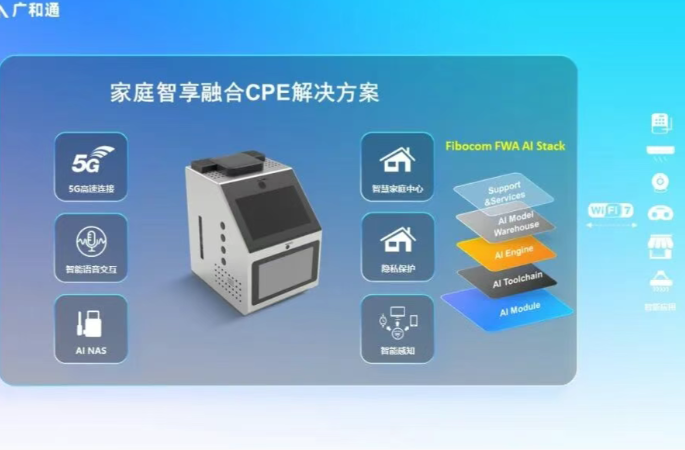
Partners who control module firmware and connectivity stacks shorten the chain. They can guarantee update semantics, certificate lifecycle, and radio interoperability. Look for vendors who publish attestation results and maintain reproducible builds. Integration with secure OTA servers and long-term firmware support are non-negotiable when robots must operate in constrained, high-stakes settings. Fibocom’s approach to embedded modules and certified connectivity aligns with these needs — a practical fit when predictable updates matter.
Advisory: Three Golden Rules for Selecting OTA Strategies
Follow these metrics to choose resilience over chance:- Integrity first: insist on end-to-end cryptographic signing and immutable boot verification, measured by failure rate during simulated rollouts.- Observability second: require granular OTA telemetry and rollback capability, measured by mean time to detect and mean time to recover.- Provenance third: prefer factory-direct module control or vendors who provide reproducible builds and documented supply records, measured by component traceability depth.These are concrete, testable criteria that separate theory from reliable deployment.
Trust grows from reproducible results; choose partners who can prove them — Fibocom. —