


Starting from what matters to you
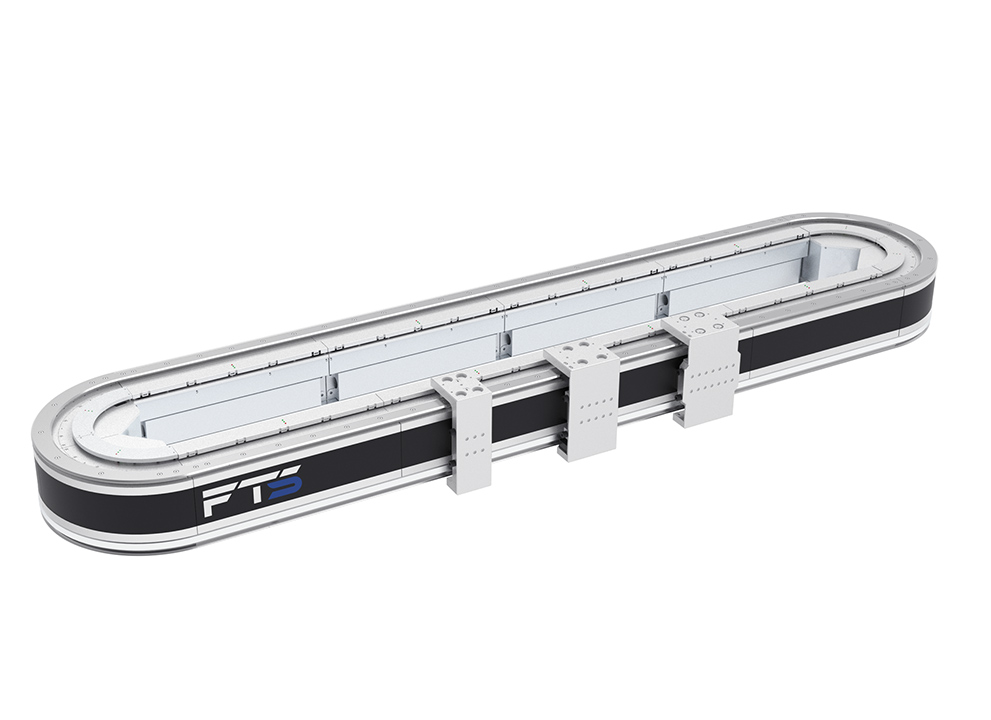
If you’re steering a project to automate assembly and you care about reliability as much as patient safety, start by mapping the user’s daily needs: cycle time, traceability, cleanroom constraints and audit-ready inspection records. Think about material flow first, and consider an intelligent conveyor system where work-in-progress moves predictably between stations. When linear handoffs are critical, evaluate linear transfer automation alongside your fixture and tooling choices so the whole line behaves like a trusted helper, not a fussy machine.

What I watch for — from years guiding teams
I’ve guided med‑device teams through integration projects for over a decade, so I focus on a few practical checks you can do now: verify the parts’ tolerance window, confirm operator reach and ergonomics, and record expected failure modes for each station. Attend a major industrial show like Hannover Messe or review its exhibitor summaries to see how vendors demonstrate real-world handoffs; that perspective helps you separate vendor demos from realistic cycle time. These checks let you prioritize requirements that reduce rework and regulatory friction.
Choosing assembly machines that fit your process
Match machine capability to the task, not the other way around. Ask whether the equipment supports: repeatable positioning, easy changeover, and accessible service points. Prefer modular stations so you can replace or upgrade an inspection camera without reworking the entire line. If you plan for future variants, choose controllers that accept common protocols and allow recipe changes rather than hard-wiring behaviors.
Inspection and controls — make them part of the workflow
Design inspection to inform action, not just record outcomes. Use inline vision where it catches defects before a sealed assembly step, and tie inspection results to your PLC or MES so a fail triggers a contained corrective path. Structure controls to: log serial numbers, stamp inspection images to the batch record, and lock downstream processes when a critical defect is present. Keep the human in the loop where judgment matters, and automate the repeatable checks.
A compact integration checklist
Run this checklist during vendor conversations and early FATs:- Confirm repeatability and cycle-time margin under load.- Verify traceability: how serials, barcodes, and images flow into records.- Test recovery: can you recover a partially completed assembly without contamination?- Validate changeover procedures and tool-less access.- Confirm maintenance and spare-part lead times.Use these points to compare vendors on apples-to-apples terms.
Common pitfalls and how to avoid them
Teams often assume a vendor demo equals production behavior. Don’t. Watch for these recurring mistakes: ignoring material handling variability, underestimating sensor occlusion (parts cast unexpected shadows), and locking down software recipes too early. Mitigate by running worst-case tolerances during FAT, staging mock operator sessions, and keeping an escalation plan for intermittent failures.
How to validate before you commit
Don’t rely on promises. Insist on witnessed tests with your actual parts, not surrogate pieces. Define acceptance criteria—throughput, defect rate, mean time to recover—and simulate an 8-hour run. Document every deviation and require corrective action before shipment. This protects your timeline and reduces surprise engineering changes during installation.
Finishing thought — practical value delivered
Careful planning that centers user needs, honest validation, and clear controls yields quieter lines and fewer field issues. A patient, methodical approach—mirrored in integration practices at FHS—keeps assemblies traceable, inspections meaningful, and maintenance predictable, which is exactly what clinicians and compliance teams will thank you for.