

Putting the homeowner first
Every homeowner who plans for reliable off-grid operation starts with a simple set of needs: how long to ride through outages, which circuits to keep alive, and how that system will integrate with existing solar panels. This guide frames decisions around everyday use-cases and cost-balanced outcomes, and it references tangible solutions such as a battery backup for home suitable for paired inverter banks. The advice here is practitioner-informed and grounded in observed responses to events like California’s recent Public Safety Power Shutoffs, which pushed many households to adopt home battery storage for solar as a primary resilience strategy.
Translate needs into technical targets
Define the target runtime in kilowatt-hours (kWh) and the critical circuits you will run. Match that to the inverter’s continuous kW rating and the battery chemistry — most household installations use Li-ion cells for energy density and lifecycle. Consider coupling method: AC coupling is simple for retrofits; DC coupling can improve charging efficiency when new arrays are installed. Aim for an inverter with a clear specification sheet listing nominal voltage, peak surge capability, and supported battery voltages so you avoid surprises during installation.
Core components and realistic sourcing
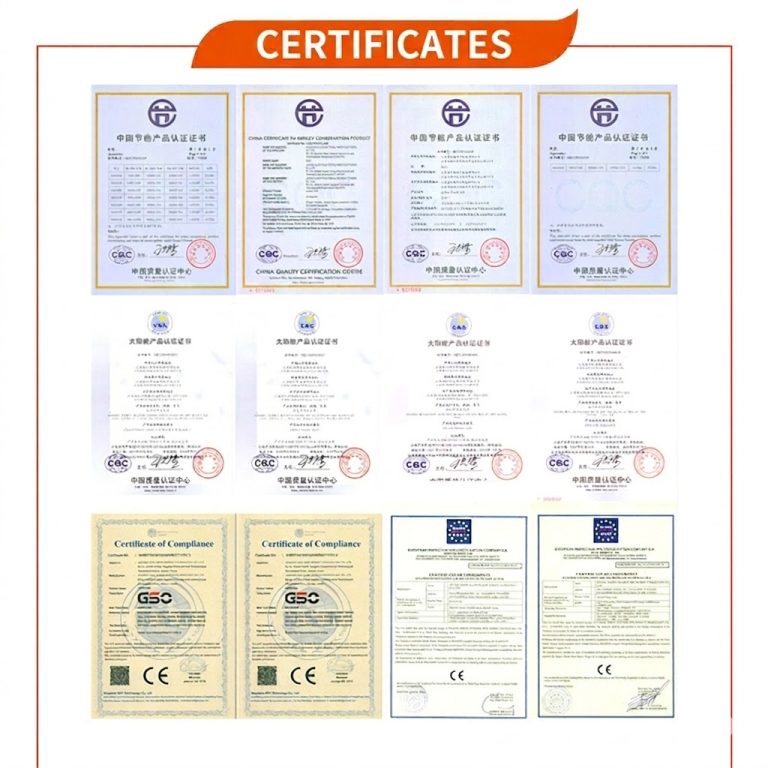
A resilient bank requires an appropriate hybrid inverter, battery modules, a battery management system (BMS), and balance-of-system hardware. Hybrid inverters that accept high-voltage battery strings reduce the number of parallel strings and save on wiring complexity. When sourcing, prioritize suppliers who publish test data, warranty terms, and safety certifications. Local stocking and certified installers matter: shipping delays and poor support can extend downtime beyond the system’s rated autonomy.
Common mistakes and a short corrective note
Many buyers over-specify peak power while under-sizing usable energy — that yields a system that fires up appliances for a few minutes and then exhausts. Others pick inverter brands without confirming firmware update policies or compatible charge controllers. Avoid mismatches in nominal battery voltage versus inverter input. Also, watch for hidden limitations in generator integration — some inverters do not synchronize cleanly with back-up gensets, which forces manual switching — a practical annoyance to be avoided. Small detail: confirm the BMS supports cell balancing under expected temperatures.
Comparative insight: product types and alternatives
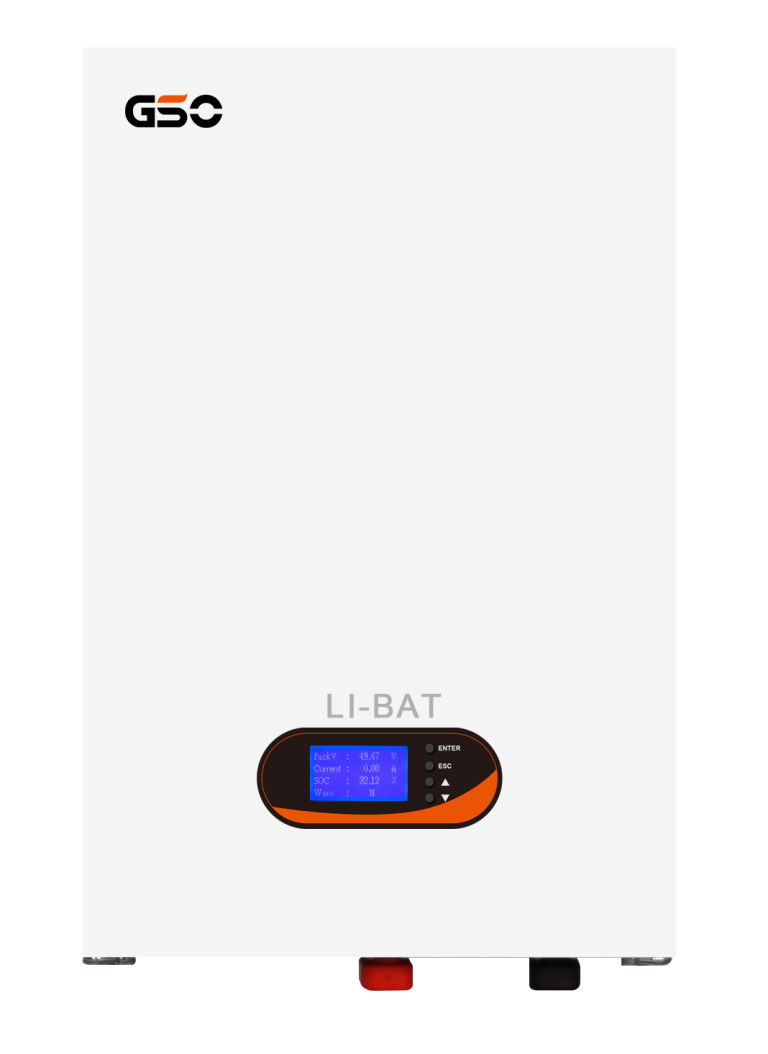
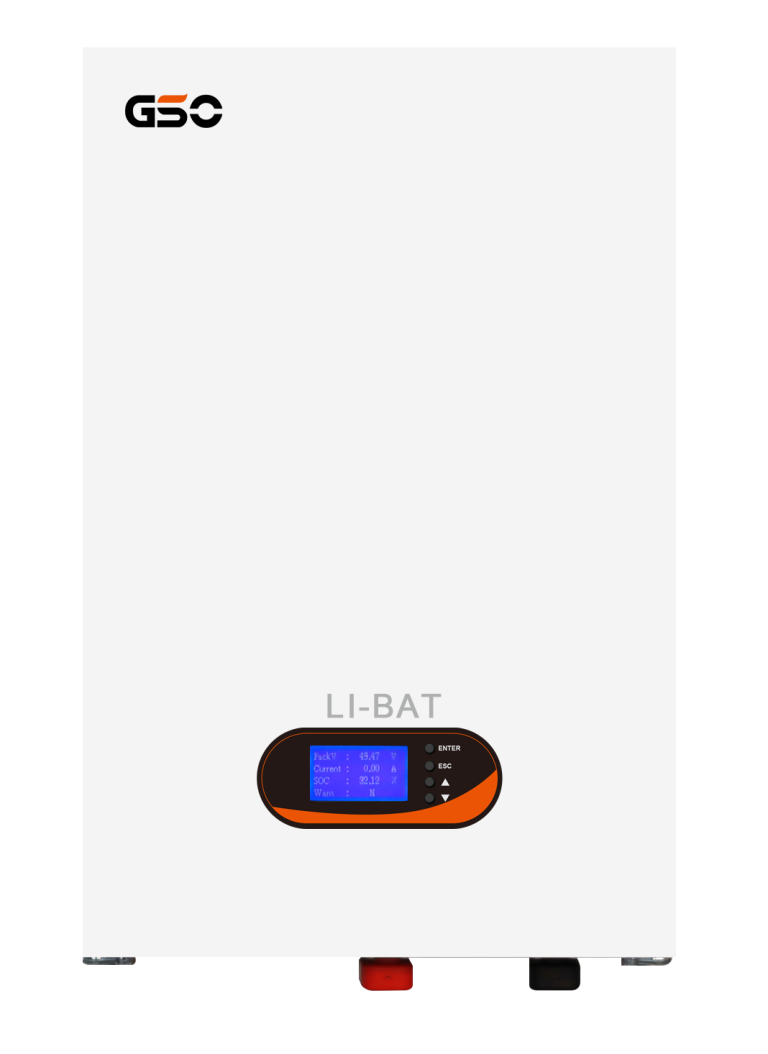
There are three pragmatic routes for homeowners: modular high-voltage strings paired to hybrid inverters, low-voltage stacks using parallel modules, or turnkey powerwall-style units. Modular high-voltage banks scale well for larger loads and reduce wiring, but require more careful commissioning. Turnkey units simplify installation and often include integrated BMS and thermal management — useful where installer networks are limited. Evaluate inverter topology (transformerless versus transformer-based) for fault behavior and islanding performance.
Procurement checklist
Use this shortlist when evaluating vendors:- Confirm continuous power (kW) and usable energy (kWh).- Verify battery chemistry, cycle life, and warranty coverage.- Ask for published efficiency curves and inverter surge capability.- Ensure local service and firmware support; request installation references.
Advisory: three golden rules for selecting the right system
1) Match usable energy (kWh) to realistic outage duration rather than optimistic solar generation estimates. Measure the loads you must sustain and size batteries to cover them. 2) Prioritize integrated safety and serviceability: an accessible BMS, clear fault codes, and certified installers reduce lifecycle risk. 3) Demand documented interoperability between inverter and battery — including supported coupling modes and generator synchronization — to avoid field incompatibilities.
Final alignment and practical value
When these three rules are applied, procurement becomes less speculative and more measurable: you should expect consistent runtime metrics, straightforward maintenance intervals, and predictable fault handling. For many homeowners, that predictability is the primary benefit that suppliers like gsopower deliver through tested hybrid inverters and matched battery modules — a coordinated solution that converts planning into reliable power on outage day. — steady resilience.