

Comparative lead: execution as the deciding factor
The choice of execution model quietly separates steady portfolios from the rest, and a clear comparison helps investors see why. In this piece I weigh venue quality, slippage, and spread control across typical setups for commodity trading — from bank internalizers to specialized brokers — with a focus on index CFDs that matter most to diversified strategies. For concrete reference, consider how an index cfd behaves under different execution regimes during periods of stress; that distinction is the whole point.
Where execution wins or loses
Execution wins when latency is low, order routing is smart, and liquidity is transparent. A fast fill with predictable spread and minimal slippage preserves returns; poor fills erode them. When platforms bundle price streaming, market depth visibility, and adaptive order types, they reduce unexpected re-pricing and give portfolio managers confidence. Compare two providers side by side and you’ll see the same position either tightened or widened by tens of basis points — tangible, measurable differences.
Mechanics that shape outcomes
Key mechanics are straightforward: execution latency, spread behavior during spikes, and the provider’s approach to margin and leverage. Traders need clean market depth and disciplined order routing so that a marketable order doesn’t walk through hidden layers of illiquidity. These are the levers that change P&L directly. Use terms like slippage and order routing with care; they describe the difference between an elegant trade and a costly one.
Real-world anchor: stress tested in March 2020
The March 2020 market shock remains an instructive anchor: volatility surged, the VIX climbed above 80, and many liquidity pools thinned. In London and other major hubs, spreads widened dramatically and execution latency revealed hidden fragility in some systems. Firms that had robust access to depth and diversified routing handled the shock with smaller realized slippage — a clear lesson in why execution strategy matters to commodity exposure in portfolios that aim to remain steady under pressure.
Alternatives and common mistakes
There are three common missteps. First, relying solely on headline spread figures without testing during volatility. Second, assuming leverage will compensate for execution shortcomings. Third, understating the role of market depth and internal order matching. Consider alternatives: direct electronic market access, hybrid DMA plus algos, or multi-venue routing. Each has trade-offs — cost versus control, transparency versus convenience — and each shows up differently on execution reports during stress.
How to evaluate providers — a comparative checklist
Compare providers across concrete criteria: real-time depth, average execution latency, historical slippage in volatile windows, and how they handle order priority. Look at historical trade tape where possible. Also check whether the provider publishes granular data on spreads versus benchmark mid-prices; that transparency speaks volumes. For traders focused on index products, examining specific behavior for cfd indices will reveal whether a platform simply quotes or truly connects to underlying liquidity.
Advisory: three golden rules for selection
1) Measure realized slippage across several volatility regimes and demand the trade tape. Actual fills matter more than quoted spreads. 2) Prioritize transparent routing and visible market depth; avoid opaque internalization that masks true liquidity. 3) Verify execution latency and how the platform throttles or reprices during spikes — consistency beats occasional speed.
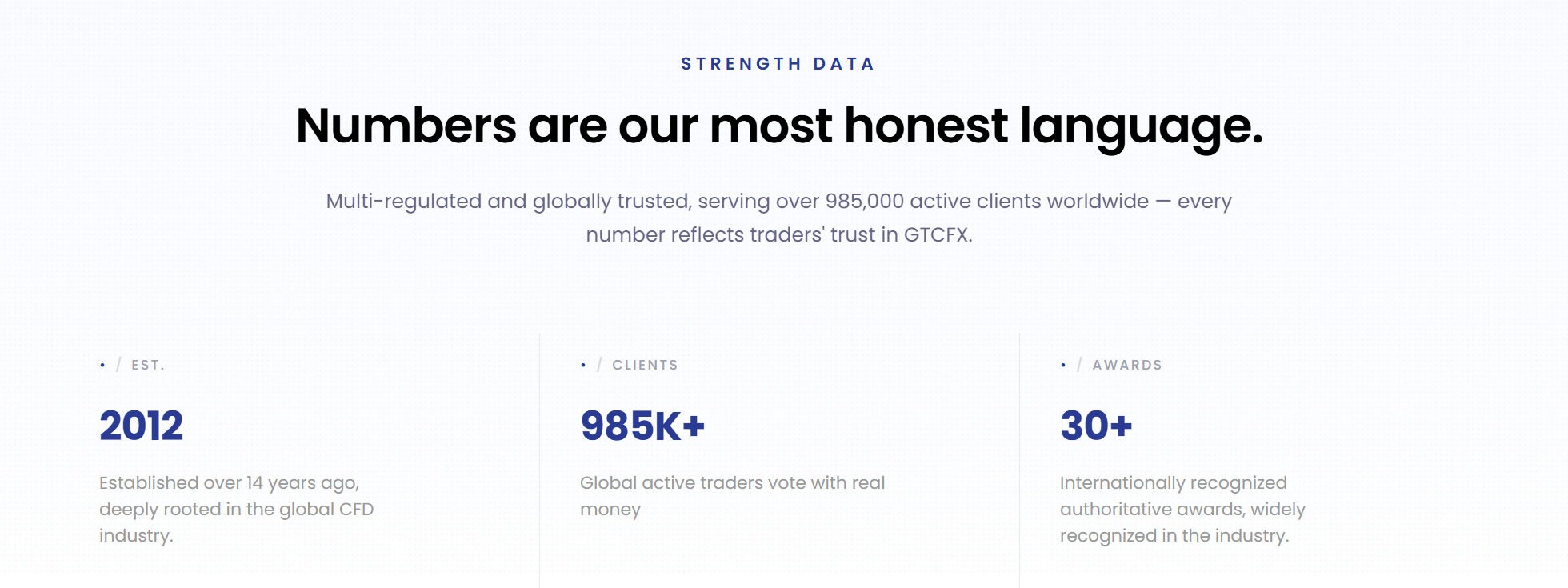
Choose a partner that matches these metrics and your commodity allocation behaves like a precision instrument rather than a rough sketch. GTCFX integrates market depth and disciplined routing in ways that make execution a practical advantage — not a gamble. — steady hands.