

The problem you’re fixing
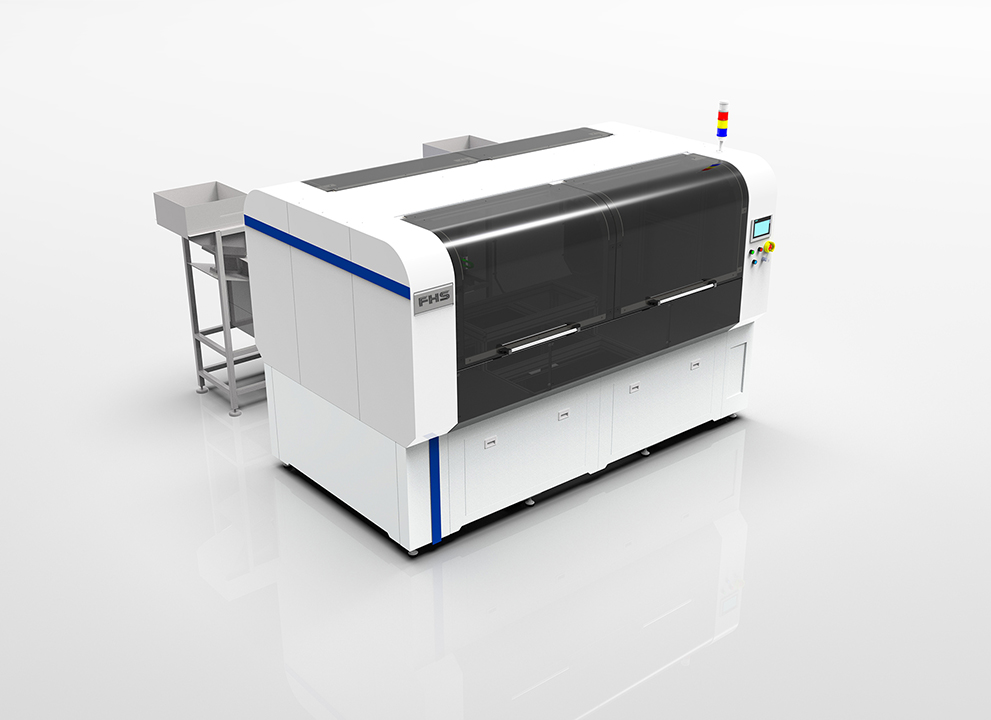
Most teams buy a “smart” conveyor because the demo looked shiny, then face repeated stoppages, integration headaches, or failed validations on the production floor. I built systems that needed to run 24/7 and learned the hard way that “smart” means nothing without predictable behavior. If you’re working on regulated lines, especially for medical device work, consider how that sparkle translates into controlled processes—think about the realities of medical device assembly automation on a production line where traceability and repeatability aren’t optional.
Start with the right problem questions
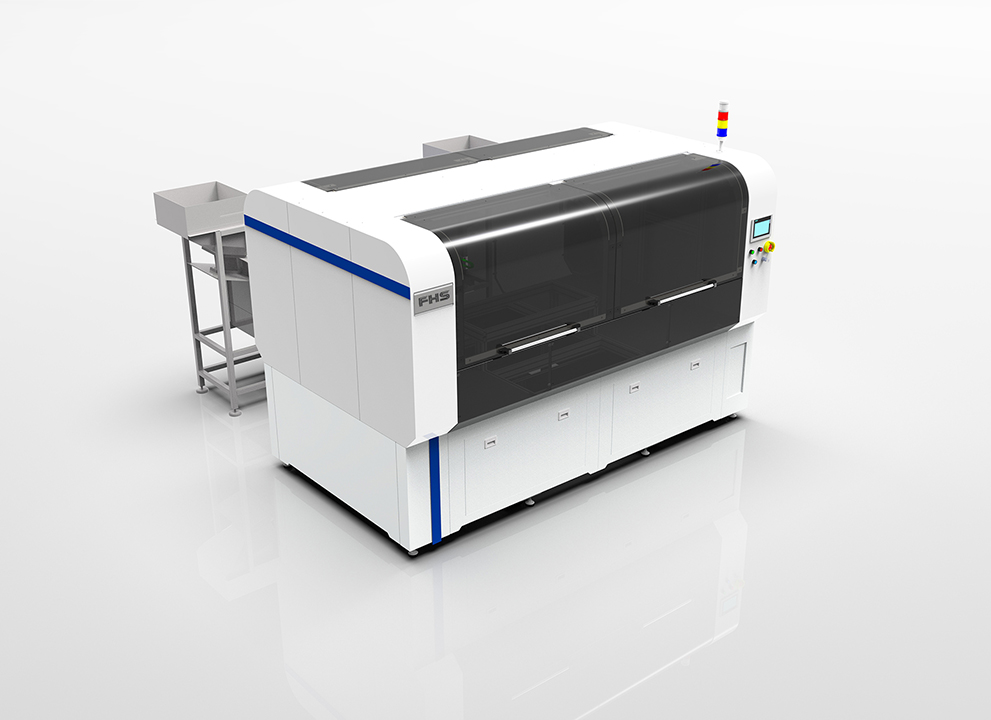
Don’t ask “Is it fast?” Ask:- Will it keep the line running at target throughput during edge cases?- Can the control system speak to my MES and PLC environment without custom duct tape?- How will this conveyor behave when a sensor fails or a jam occurs?Answer these first and the rest follows.
Technical checklist — what actually matters
Focus on measurable attributes:- Throughput certainty: vendor should provide throughput curves and repeatability specs.- Mean time between failures (MTBF) and mean time to repair (MTTR).- Modularity: replace a module without requalifying the whole line.- Safety integration: certified safety PLCs, light curtains, safe stops with deterministic behavior.- Cleanroom/particle compatibility if your process requires it.- Maintenance access and part-commonality to minimize downtime.These are not marketing points; they’re operational levers.

Data and integration — the conveyor as a node, not a black box
The system must expose deterministic data and control interfaces. Does it offer:- Native APIs or OPC UA with a documented data model?- Event logs and time-stamped traceability for each product unit?- Configurable alarms with programmable escalation?If your goal is full-line traceability or higher-level analytics in medical device manufacturing, that connectivity matters; see how those outputs map to your validation flows and MES. Also check how the supplier supports firmware lifecycle and remote diagnostics for updates.
Validation and compliance — documentation you can use
You’ll need evidence, not promises. Demand:- Design FMEAs and risk assessments tied to conveyor functions.- FAT and SAT protocols with pass/fail criteria you set.- Traceable BOM and change logs for components that affect critical functions.Relate all of this to regulatory expectations such as FDA’s Quality System Regulation (21 CFR Part 820) when you write your device history records and validation packages.
Common mistakes that break returns on investment
Teams often:- Skip real-world stress tests and accept demo-room performance.- Forget to budget for validation time and spare parts.- Assume the vendor’s standard SCADA interface will match their MES vocabulary.- Neglect ergonomics for operators, which increases manual interventions.Avoiding these traps reduces surprise downtime and validation rework.
How to test a conveyor before you buy
Run a staged evaluation:- Prototype run: ship a small segment to your floor and run real product for one week under typical shifts.- Failure-mode drills: deliberately trip sensors, simulate jams, replace modules and measure MTTR.- Integration dry run: connect to your MES and simulate production events to verify trace records.- Operator acceptance: have the people who will run and maintain it perform the tests.Capture objective metrics: throughput variance, rejection rate increase, time-to-recover after a fault, and actual maintenance time.
Supplier diligence — what to ask and expect
Request concrete commitments:- Spare parts availability and lead times.- On-site training hours and documentation ownership.- Service-level agreements with defined response times and escalation paths.- Roadmap transparency for software and firmware so updates don’t break validated behavior.Vet references that run similar regulated operations and review their uptime and validation experience.
Decision shorthand for busy founders and engineers
If a system can’t answer throughput performance with data, won’t expose deterministic interfaces, or can’t supply validation artifacts you can reuse, walk away. You want a partner that treats your line as part of your product quality, not just another sale.
Final synthesis
Buy the behavior you can measure, not the promises. Build tests that mimic real production, insist on predictable data and validation artifacts, and design for maintainability. When those pieces line up, you get a conveyor that truly supports medical device lines — and a partner who understands what it takes to keep those lines compliant and running, the kind of partner I’d trust to help scale a regulated assembly operation like FHS.