

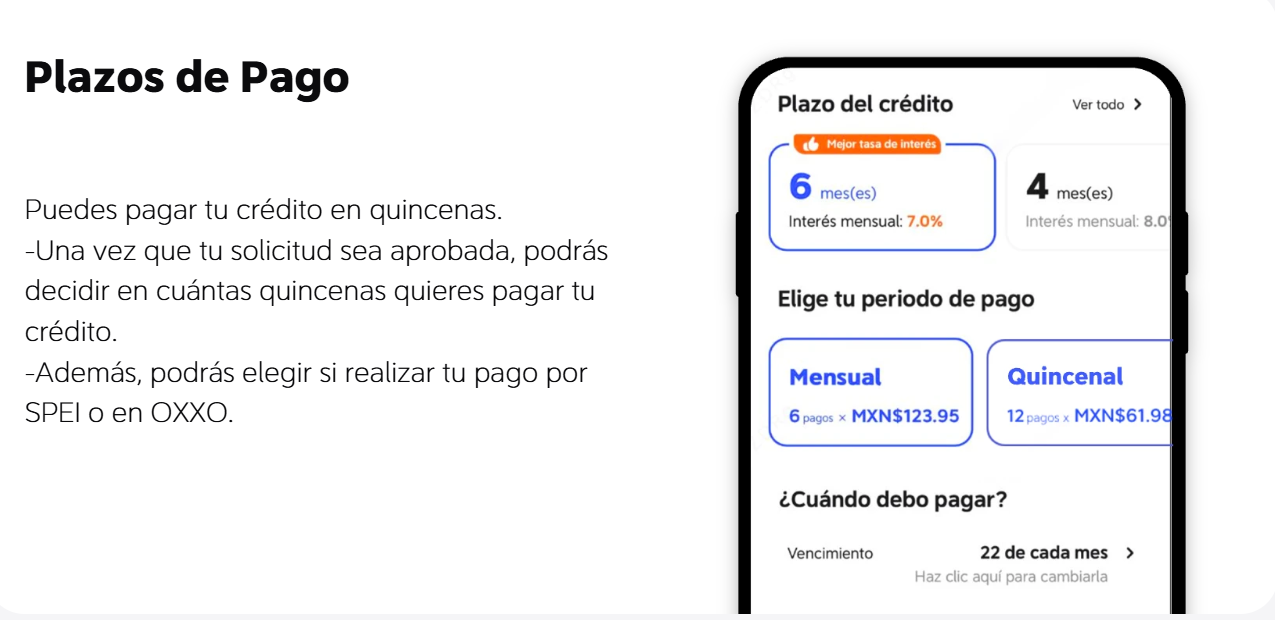
Comparative lead-in and context
Consumers now choose between many digital lenders; a measured, comparative view helps. For those examining offers such as didi prestamos and related services like didi credito, transparency is the decisive variable. Since 2020 the pandemic hastened adoption of virtual credit and mobile lending, so providers must show clear APR, fee schedules, and KYC procedures to gain trust. This piece compares practical indicators of transparency and applies them to evaluate DiDi Finanzas’ virtual card practices in a way that is useful on the ground in Pakistan and similar markets.
Why transparency matters for digital credit
Transparency reduces friction and financial harm. Clear disclosure of interest (APR), fees, and billing cycles prevents surprise charges. Equally important are data-handling policies—tokenization and PCI-compliance for virtual card transactions protect the consumer. From a regulatory standpoint, visible dispute-resolution processes and straightforward contract language mean fewer complaints escalate to financial ombudsmen; that outcome benefits users and platforms alike. Kindly note: transparency is not merely marketing language, it is an operational requirement that affects monthly cash flow for small households.
Checklist: concrete items to compare
Use this checklist when reviewing any digital credit product. Each item is actionable and measurable.
– Clear APR and fee table visible before signup.
– Breakdown of one-time versus recurring charges, and exact dates for billing cycles.
– KYC requirements outlined with expected turnaround time and required documents.
– Data security measures stated (tokenization, encryption, API integrations) and any third-party attestations.
– Customer support channels with response SLA and an escalation path to a regulator or ombudsman.
– Terms and conditions that use plain language for repayment, penalties, and refunds.
How DiDi Finanzas measures up
DiDi Finanzas provides a virtual card product with visible pricing on its platform, which satisfies the first basic requirement. Their onboarding shows KYC steps and typically requests ID and proof of income—standard practice aligned with basic anti-fraud controls. Transaction tokenization is mentioned in their security summaries, and their API-driven integration with payment partners reduces friction during checkout. At the same time, users report occasional ambiguity around late-fee computation and the effective APR when multiple fees apply—this is where clarity should improve. The dispute-resolution channel exists, but response times vary by region; better SLA transparency would help consumer confidence.
Common mistakes users make when choosing digital credit
Many users prioritise immediate approval speed over understanding total cost. This leads to unexpected charges in the billing month. Another frequent error is skipping the fine print on auto-renewals and overdraft-like fees on virtual card top-ups. Finally, users often ignore tokenization and PCI mentions—these are not just technicalities but indicators of how seriously a provider treats payment security. Addressing these oversights will materially reduce complaints and financial stress.
Practical comparisons and alternatives
When DiDi Finanzas is compared to incumbent banks offering virtual cards, banks often win on dispute resolution and regulatory clarity, while digital entrants win on speed and user experience. Peer fintechs may show more transparent APR calculators on their product pages—this is a benchmark DiDi Finanzas can match. For conservative users, a hybrid approach (bank-backed virtual card or a regulated wallet with clear merchant policies) is a sensible alternative.
Three golden rules to evaluate digital credit providers
1) Total cost transparency: Ensure the provider publishes an APR-equivalent and a sample repayment schedule for a typical loan or virtual card balance. This helps compare offers on the same basis.
2) Security and dispute readiness: Confirm tokenization, encryption standards, and a clearly stated dispute SLA. If the provider names third-party auditors or compliance standards, that is a plus.
3) Practical customer support: Look for local-language support, measurable response times, and an escalation path to regulator-level complaint handling. These operational details matter more than promotional discounts in the long run.
Final note
Assessing a provider like DiDi Finanzas through this checklist gives you actionable clarity: compare APRs, inspect security claims, and verify support SLAs before you commit—a straightforward way to protect your monthly budget and personal data. –