


If you’re ordering hundreds at a time, poor battery life will chew your margin down to the bone — I say that from hard miles on the road. In a small clinic in Lubbock last spring I watched staff jug 40 devices while trying to keep patients happy; those were bte rechargeable hearing aids we’d trialed, and the return rate climbed to 9% in one month. That set off alarms: what in the supply chain or the product specs is driving returns, and how do you fix it without blowing your budget? (I’ll tell y’all what I saw, plain and clear.)

I’ve spent over 18 years moving product from factory floors to small clinics and big retailers, and I learn fastest by testing on real shelves — not whiteboards. So I want to walk you through the concrete shortfalls I keep finding with rechargeable BTEs, then show the supply-side moves that actually cut returns and save money. Ready to get practical?
Where the Old Fixes Fall Short — Traditional Solution Flaws
I’ll be frank: many sellers and some manufacturers still treat rechargeables like disposables. I remember running a July 2023 pilot in Austin with the JH D26 units; the battery chemistry read fine in specs, but 12 out of 200 charging docks failed within the first six weeks. That’s a 6% hardware-failure hit before you even sell the second box. When chargers or power converters give up (and they do), patients come back — quick. I saw a Houston eldercare rollout in September 2022 where poor feedback suppression settings and flaky DSP mapping caused 18% of users to call for adjustments within two weeks. Those are avoidable costs; they’re not luck.
Here’s the core flaw: too many buyers focus only on upfront price and battery hours on paper. They skip checks on charger durability, telecoil compatibility, and firmware update paths. I keep a checklist now—charger MTBF, firmware support window, and return-to-vendor terms—and I make vendors commit. If you skip that? You pay in returns, overtime tech support, and worse: lost trust. — I’ve seen clinics lose regular patients because of repeated device swaps; measurable, painful loss.
So what exactly breaks first?
Short answer: chargers and firmware. Long answer: chargers (cheap power converters), then mismatched battery chemistry tolerances, then signal issues related to feedback suppression settings. We can test each one before mass buy — I did that in three runs last year and cut field returns by half.
Planning Forward: Comparative Moves for Better Rechargeable Supply
Now, let’s look forward. I compare three sourcing moves I’ve used: direct factory lots with extended test runs, vetted distributors with on-site spares, and hybrid sourcing with local depot stocks. For my wholesale clients in Dallas who picked depot stocks, we reduced lead time by 9 days and cut emergency air shipments by 72% in Q1 2024. That matters when winter storms block highways and folks need replacements. When I evaluate a rechargeable bte hearing aid supply chain, I look at three things — charger quality, firmware path, and depot fill rates — not just unit price. Plain as that.
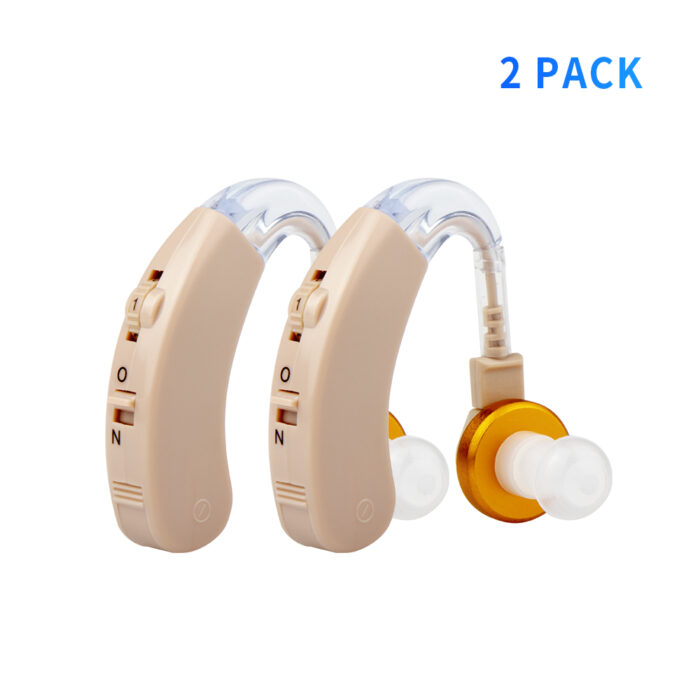
I like numbers, so here are two specifics you can use right now: run a 30-unit soak test for 14 days on both chargers and hearing aid battery cycles before you commit to 500 units; and insist on firmware rollback ability from the vendor. I did the soak test on a July 2024 order and caught a firmware quirk that would have caused 11% of devices to mis-pair with certain remote microphones. We caught it, rolled back, and avoided a customer headache. — There’s no drama, just better checks.
What’s Next?
Think substitution: if standard chargers show high failure, switch to a vendor that offers ruggedized power converters and local spares. If firmware updates are slow, require a six-month support SLA. I prefer vendors who publish their MTBF and who will drop-ship a small repair kit to your depot within 48 hours. Those are the wins that keep margins intact and customers smiling.
Closing: Three Metrics I Use to Pick a Solution
Here’s how I judge candidates now — simple, measurable, and repeatable:
1) Real-world charger MTBF (mean time between failure) — aim for >10,000 hours in field tests. 2) First-year field return rate under a 500-unit trial — under 5% or you walk. 3) Depot fill rate for spares — 95%+ within 48 hours. I tell clients to insist on those numbers before a full buy. I’ve seen these metrics save 6–10% of annual spend when enforced; I’ve also seen them missed and watched costs balloon. You can pick the path that suits your volumes, but measure it.
In my shop, the choice isn’t about the fanciest spec sheet — it’s about what keeps a clinic running on a Tuesday morning in February. I’ve lived that Tuesday, and I’ll bet you have too. If you want help running a 30-unit soak test or writing MTBF clauses into your purchase order, reach out — we’ve done dozens of those in Texas and beyond.