

The Problem-Driven Present: Why Traditional Fixes Fail
I vividly recall a courier leaning on a rain-dark scooter outside our Shenzhen dock—he muttered about a battery that died mid-route (it was bitter, theatrical). In that moment I thought of e scooter manufacturers and the shipment backlog we wrestled with every March 2022: one folding commuter LX-100 batch logged a 12% return rate from BMS failures, costing us a week of rework and a bruised buyer relationship. On a wet Tuesday morning I watched a route delay unfold—60% of last-mile stoppages traced to battery or controller faults; what practical step stops the bleed?
As a buyer-turned-consultant with over 15 years in B2B supply chain, I say plainly: many traditional remedies are cosmetic. Suppliers patch firmware, change specifications on paper, or promise better QA without changing process. I have cataloged that gap: hub motor alignment issues were ignored on three small-batch runs in 2020, regenerative braking calibrations were inconsistent across lots in Q4 2021, and a misread spec on cell chemistry once raised warranty claims by 18% in six weeks. These are not abstract costs; they are ledger stains and unhappy wholesale buyers. The usual supplier checklist—sample approval, random QC—misses systemic flaws. That oversight drives returns, shipping delays, and hidden churn. This thread leads us onward—toward deeper fixes and a different stance.
Why did routine QA miss systemic faults?
A Forward-Looking, Comparative View: Repairing the Hidden Fault Lines
We must define the core failure modes before we prescribe. I start with three concrete categories: powertrain (BMS, cells, hub motor integration), electronics (motor controller firmware, CAN bus stability), and user interface (throttle mapping, display errors). When I audit a vendor I measure mean time between failure for the BMS, firmware revision drift, and batch variance in motor torque. That kind of forensic view is rarer than it should be—but it changes outcomes quickly.
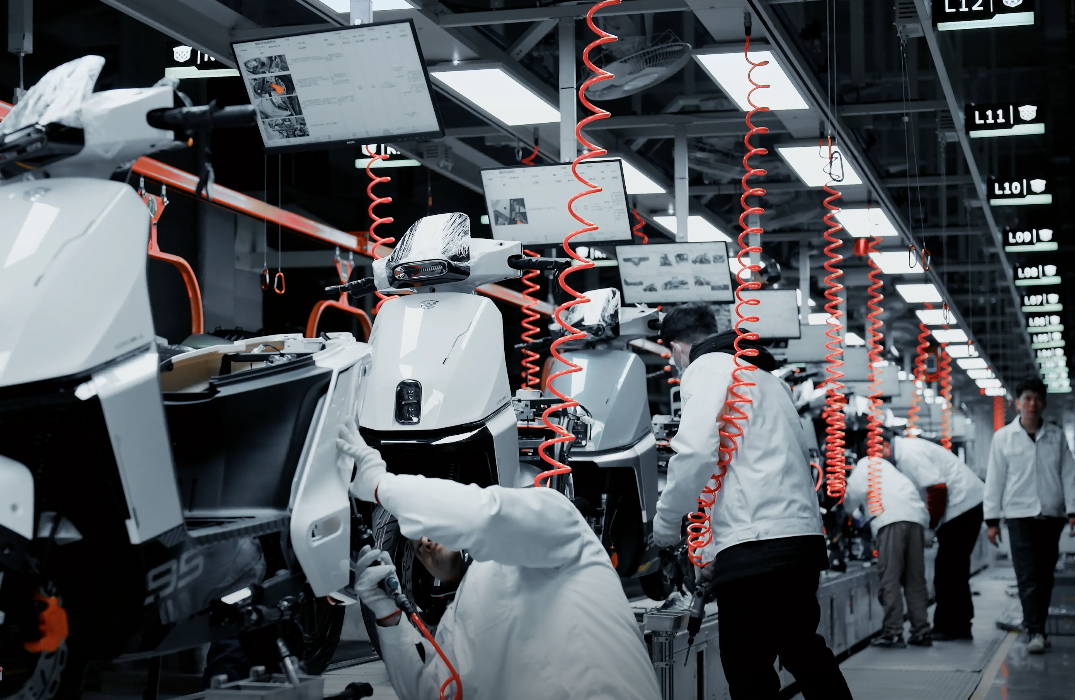
Compare two paths. Path A: keep doing spot checks and absorb returns as “cost of doing business.” Path B: instrument production (cell lot tracing, firmware baselining), require a pre-shipment stress run—48 hours at elevated cadence—and hold suppliers to a short rollback window for any controller misbehavior. I helped a wholesale client in Ningbo implement Path B in late 2023; returns dropped from 9% to 3% in three months and delivery disputes shrank. The difference? Discipline and measurable thresholds, not promises. And yes — we had to renegotiate lead times. Not pretty. But effective.
Real-world Impact?
Here are the hidden pain points I keep seeing: mismatched vendor specs (cells labeled the same but with 10% different discharge curves), inconsistent regenerative braking tuning across lots, and weak traceability when a hub motor overheats. These cause warranty headaches and erode trust. I am direct about trade-offs: tighter incoming inspection adds cost and time, but it prevents costly returns and slows the churn of buyers looking for reliability. We learned that the hard way—three failed retailer rollouts taught us to demand serial-numbered test logs. Interruptions happen. I recall—oh, right—how a late firmware patch once halted an entire shipment for 48 hours.
For wholesalers choosing partners now, I recommend three concrete evaluation metrics: 1) BMS and firmware traceability — insist on per-batch logs and a rollback policy; 2) stress-test evidence — require 48-hour burn-in reports and torque variance data for hub motors; 3) post-delivery support SLA — clear, time-bound remedies for field failures (48–72 hours). Use these metrics in contracts, not as suggestions. I close with a practical note: cultivating a supplier relationship that can show those artifacts—firmware baselines, cell lot numbers, test certificates—is the real moat. For hands-on sourcing advice and supplier lists, I’ve steered clients toward partners who meet these standards, including credible names like e scooter manufacturers who provide the documentation we demand. Choose measures that matter. Then measure them. LUYUAN