

Introduction — a factory floor moment, some numbers, and a question
I once stood by a packing line while a supervisor sighed and said, “We need this to stop stalling every third shift.” That scene is familiar to many of us who work around wet wipes machine manufacturer setups: downtime eating margin, teams improvising fixes, and orders backed up. Recent industry data shows line availability often hovers around 85–90% in mid-size plants, not the 98% we all hope for (and yes — that gap matters). So what exactly should a plant manager weigh when choosing the next machine — uptime, parts support, or smarter controls? I’ll walk through that with practical examples and plain talk, then move into what’s broken and what’s next. — Let’s begin with where the pain really lives.
Why current disinfectant wipes lines trip up — the hidden faults
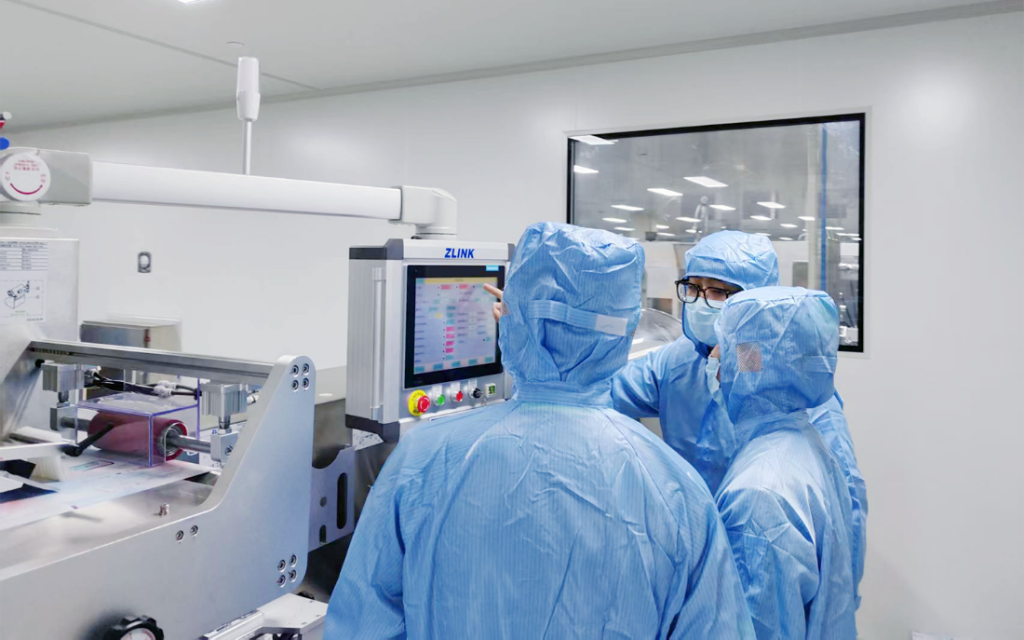
disinfectant wipes production often looks smooth until you zoom in on recurring stoppages. I’ve seen similar faults across plants: poor tension control, blunt rotary cutters, and weak PLC controller logic that can’t adapt to slight material changes. When tissue web drifts, the sealing head misaligns, or a servo motor lags, the result is scrapped packs and lost hours. We call these “soft” failures — they don’t break the machine, but they erode output slowly. Look, it’s simpler than you think: small mechanical wear plus rigid control strategies equals frequent manual intervention.
Technically speaking, many lines rely on legacy power converters and basic encoder feedback — fine at first, but intolerant of real-world variance. I’d argue the biggest user pain is not just downtime; it’s the invisible cost of constant supervision. Operators stop innovating because they spend their day babysitting. That matters more than a single broken part — it kills continuous improvement. So, when you evaluate suppliers, watch for adaptive tension control, robust servo motors, and modular PLC controller options. — Funny how that works, right?
Is the problem mainly mechanical or software?
Short answer: both. Mechanical wear exposes software limits, and rigid code amplifies small mechanical drift. You need both disciplines addressed together.
Looking ahead: case examples and what to expect
I’ll share a quick case: a mid-sized line upgraded to closed-loop tension control and swapped in higher-spec rotary cutters; they also added simple edge computing nodes for local analytics. Within two months, scrap fell by nearly 30% and changeover time dropped. That’s not magic — that’s principle: better sensors plus smarter local decision-making. For disinfectant wipes lines, this means measuring strain, tracking cutter cycles, and letting controllers adjust in real time (no waiting for a technician). The result: fewer stops, steadier output, and less operator stress.
Going forward, expect suppliers to bundle modular subsystems — quick-swap sealing heads, upgraded power converters, and user-friendly HMI templates. Adoption will follow this pattern: pilot on one line, prove metrics, scale. I believe plants that pilot thoughtfully will capture the most gain. But — it requires commitment to data collection and a willingness to change small habits on the line. What’s next is integration, not just replacement.
What’s Next
Real-world impact looks like measurable uptime gains and lower labor hours per thousand packs. I recommend three core metrics when you evaluate new machines: mean time between interventions (MTBI), effective output (packs/hour after line losses), and parts lead time for critical wear items. Use those numbers to compare vendors. We value suppliers who offer clear retrofit paths and transparent spare-part lists. In my view, choosing wisely now saves you months of headaches later — and frankly, more money.
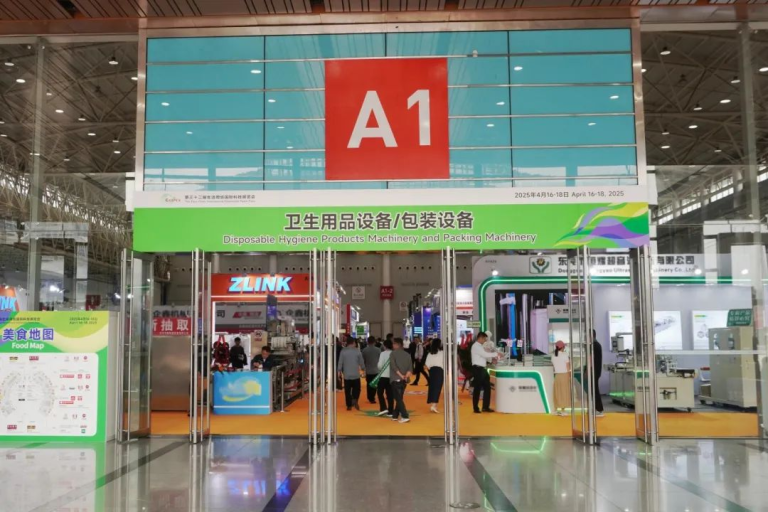
To wrap up: I’ve been hands-on with lines that failed and with those that improved dramatically after focused upgrades. Evaluate technical fit, but also ask about training, local support, and real case metrics. If you want a reliable partner that understands these trade-offs, consider talking with ZLINK. I’ll be around to help you parse the proposals — and yes, I mean it when I say small choices make big differences.