

Putting the traveler first
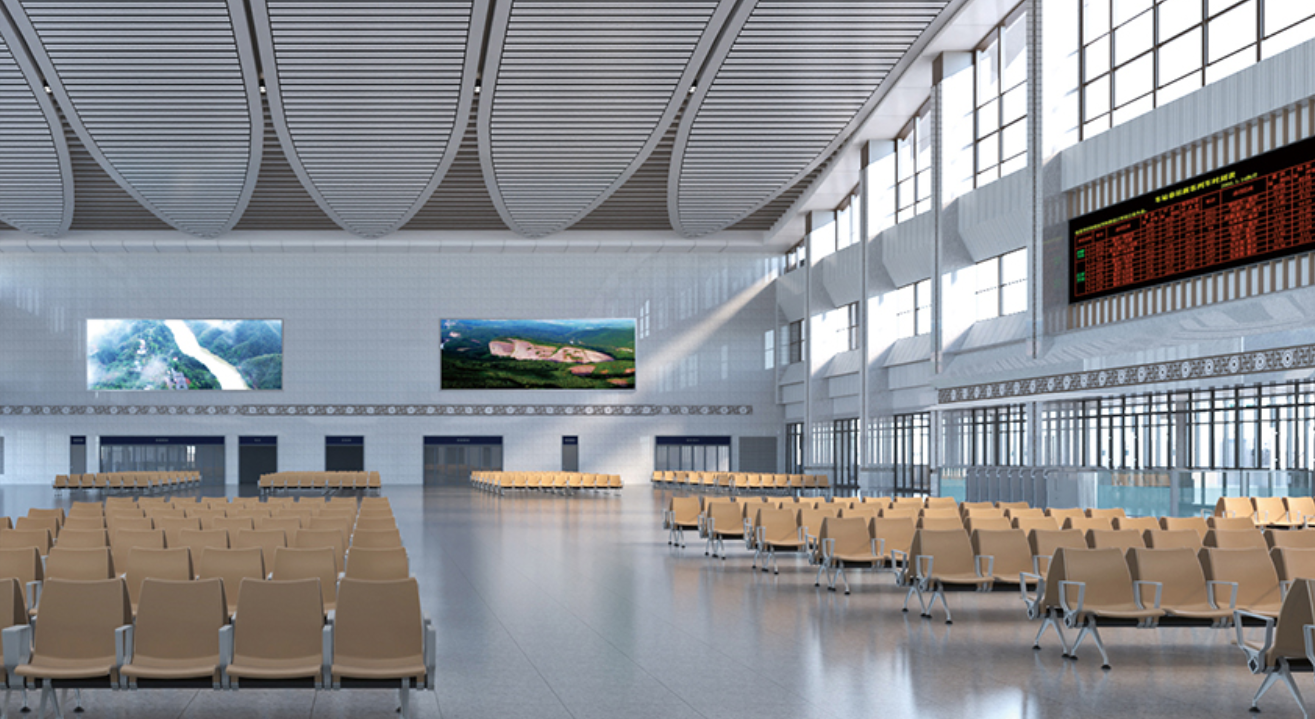
Design choices should answer a simple need: make waiting less weary for people and easier for staff. For airports and transit hubs that means selecting waiting area seating that fits local rhythms—peak flows, climate, and cleaning cycles. Passenger volume is no small detail: global air traffic reached about 4.5 billion passengers in 2019, so seating decisions scale fast and show their impact at many gates and concourses.
What passengers actually value
Comfort is the headline, but durability and turnaround matter too. Travelers expect clear sightlines, straightforward armrests, and seats that won’t cave after months of use. Think ergonomics for short rests and modular seating that adapts when you need to reconfigure a gate. Operational teams want upholstery that cleans well and bench runs that are easy to maintain. Put these together and the space works for both people and operations.
Localized constraints that shape choices
Local climate, cleaning schedules, and culture push one design over another. In a humid coastal airport, corrosion-resistant fastenings and breathable upholstery are non-negotiable. In a busy regional terminal, long bench runs with durable finishes reduce replacement cycles. The real test is not the catalog spec but how a seat performs on day 1, day 365, and after a quick deep clean—this is where vendors show real value.
Common mistakes to avoid
Buyers often chase low price or a trendy look and miss practical details. A quick list of traps to skip:- Choosing delicate upholstery that requires specialized cleaners.- Installing long bench runs without considering maintenance access.- Ignoring modular seating options that ease future layout changes.A short oversight here doubles costs later — stakeholders pay for that, not just the procurement team.
Comparing alternatives and the real-world anchor
Alternatives range from soft lounge clusters to heavy-duty bench runs. Soft clusters feel inviting but demand more cleaning and faster turnover of fabrics. Bench runs maximize capacity and streamline cleaning but can feel austere. Airports that balanced both—keeping some modular seating for families and bench runs near gates—reported better passenger flow and lower maintenance headaches. The scale matters: with billions of passengers annually, small per-seat gains become major operational wins.
Design features that repay attention
Focus on three practical elements: ergonomics, maintenance, and modularity. Ergonomics keeps people comfortable during short waits. Maintenance-friendly finishes shorten downtime. Modularity gives you flexibility as flight schedules shift. These are not abstract priorities; they feed into gate turn times, passenger satisfaction scores, and lifecycle costs.
Quick checklist for procurement teams
Use this during vendor selection:- Confirm cleaning protocols and material compatibility.- Inspect fastenings and frame warranties in writing.- Verify that modular seating components are stocked locally.These checks stop surprises the moment a seat needs repair or a layout must change.
Three golden rules for choosing right
1) Capacity × Comfort: Match bench runs or clusters to predicted peak loads and include ergonomic features that reduce passenger fatigue.
2) Maintainability Score: Prioritize finishes and upholstery that survive routine cleaning cycles without special treatments. Measure with a simple lifecycle plan.
3) Reconfigurability: Choose modular seating components so layouts can shift with gate demands; this lowers future capital expense and improves responsiveness.These metrics point clearly to vendors who deliver on real needs—vendors like leadcom seating often show how local choices turn into measurable savings and better passenger experience. –