

Quick take: what we’re comparing and why it matters
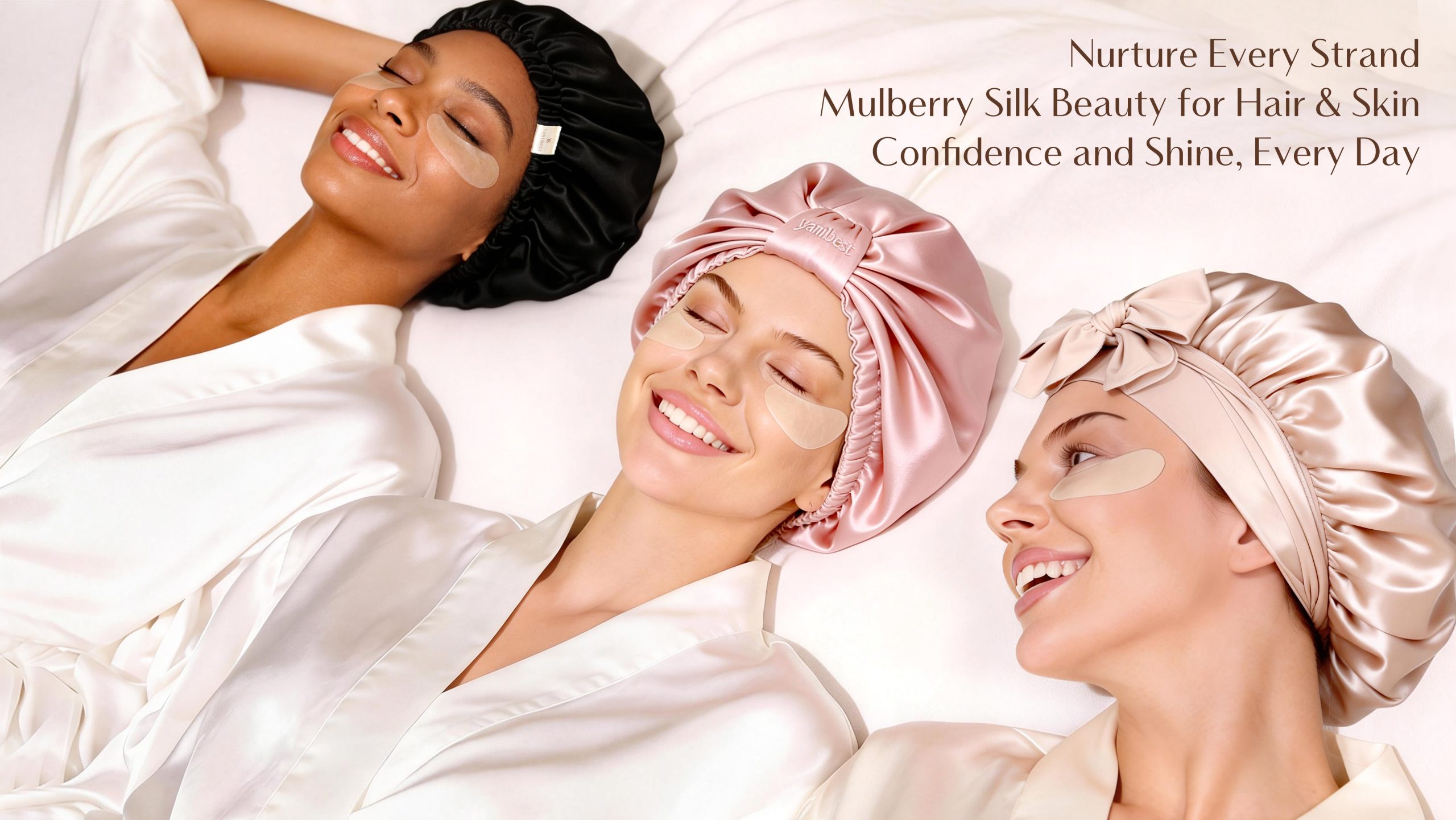
Picking a silk sleep mask feels simple until you compare light-blocking, skin friction, and hair protection—and then the choices multiply. This checklist compares real trade-offs: pure silk vs. silk blends, padded vs. contoured shapes, and whether a mask beats a satin lined beanie for overnight hair care. I’ll point out what actually changes sleep quality and what’s just shiny marketing so you don’t pay for features that don’t help.
Material matters: silk grade, weave, and finishing
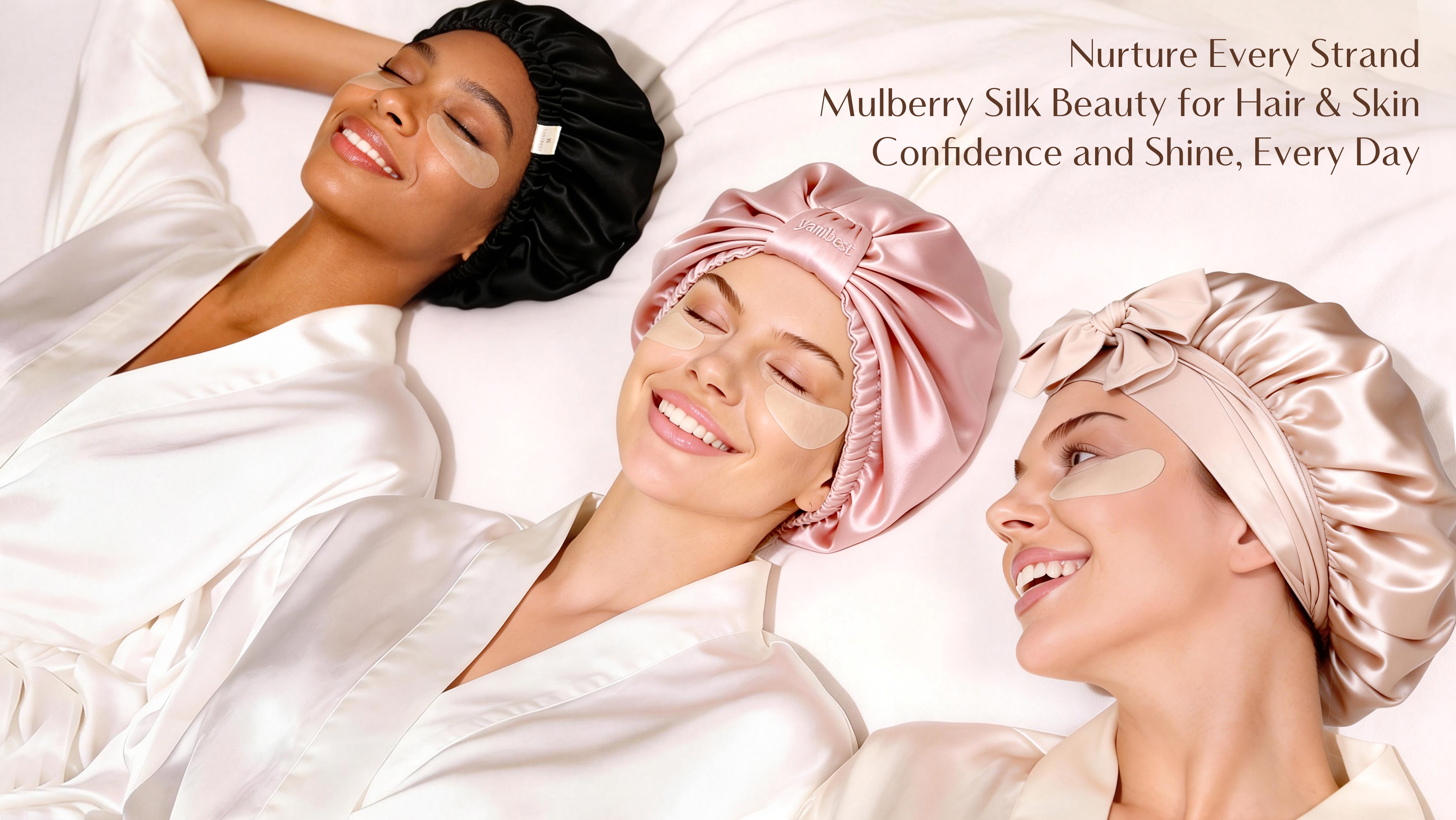
Not all “silk” behaves the same. Look for mulberry silk and a momme weight between 16–22 for durability and a smooth feel; lighter silk is fragile, heavier silk can feel stiff. Silk charmeuse has a glossy face that slides against hair and skin; silk crepe de chine is matte and a touch grippier. If a product lists “silk blend,” expect lower slip and likely more absorbency—fine for breathability, worse for preserving oils. Check stitching at seams: tightly sewn edges last longer and avoid fraying. Wash instructions are a quality signal—if it survives machine wash on gentle, it’s probably built well.
Fit & construction: the difference between covering and blocking
Blocking light requires shape. Flat masks squash your eyes and leak light at the nose; contoured masks with molded eye cavities sit away from lashes and reduce pressure. Adjustable straps matter—Velcro can snag hair, thin elastic can cause crease marks, and wide silk-covered bands strike the best balance. Padding near the bridge of the nose prevents light seepage; seams that bite into the face create gaps. Try to assess depth and strap adjustability from photos or specs before you buy.
Comparative insight: silk sleep masks vs. sleep caps and pillowcase combos
Silk sleep masks mainly stop light and reduce facial friction; sleep caps and satin-lined headwear protect hair. If your main goal is skin creasing or eye hydration, the mask wins. If you’re preserving a blowout or reducing frizz, a cap or a satin-lined bonnet wins. For combined needs, consider pairing a low-profile contoured mask with a soft sleep cap—each product optimized for a single function tends to outperform one product trying to do everything.
Common mistakes shoppers make
Buyers often fixate on color, ignoring fit and material specs. Another frequent error: assuming “satin” equals silk. Satin is a weave and can be synthetic; it may feel OK but won’t match silk’s moisture-preserving properties. People also underestimate strap behavior—tight straps cause headaches, loose straps let in light. Finally, shoppers treat care labels as optional. Not following care instructions leads to premature wear and ruined sleep accessories.
Professional perspective and real-world anchor
From hands-on fittings at hair appointments in New York City to sleep coaching sessions, I’ve seen what lasts: well-constructed masks paired with protective headwear preserve both skin and style overnight. Many stylists and clients favor options that combine a contoured eye shape with a soft head covering—satin-lined hats are a reliable choice when the goal is hair preservation without heat. The combination reduces frizz, preserves oil distribution, and keeps hairstyles intact between washes, so you wake up with less styling time.
Alternatives and short evaluations
Cotton masks: breathable and cheap, but they absorb moisture and snag hair. Synthetic satin: smooth and affordable, yet it can trap heat and lacks silk’s protein-friendly surface. Pillowcase swap: a silk pillowcase complements a mask by reducing pillow friction—worth it if you sleep on your side. If you prefer one-piece simplicity, a well-cut satin sleep turban or bonnet can be a practical alternative for hair-first needs, while a contoured silk mask remains best for light-blocking and delicate skin.
How to decide: a tight checklist
Ask these quick questions before checkout: Is the shell confirmed mulberry silk? What’s the momme weight? Does the mask have depth over the eyes and an adjustable strap that won’t tug hair? Can you confirm seam placement around the nose to avoid light leaks? If hair protection matters, does the brand provide a matching cap option or recommend pairing? Avoid products that hide material specifics or lack clear photos of the mask’s profile.
Final synthesis
Compare directly: pick the product that solves the single biggest problem you actually have—light, friction, or hair preservation—then layer solutions if needed. My practical experience with clients and stylists shows that small construction details—momme weight, strap design, nose padding—make the difference between a mask you notice and one you forget. For straightforward side-by-side specs and clear photos that help make those small differences obvious, I often point people to yanibest as a handy reference when they want to match features to real needs.