

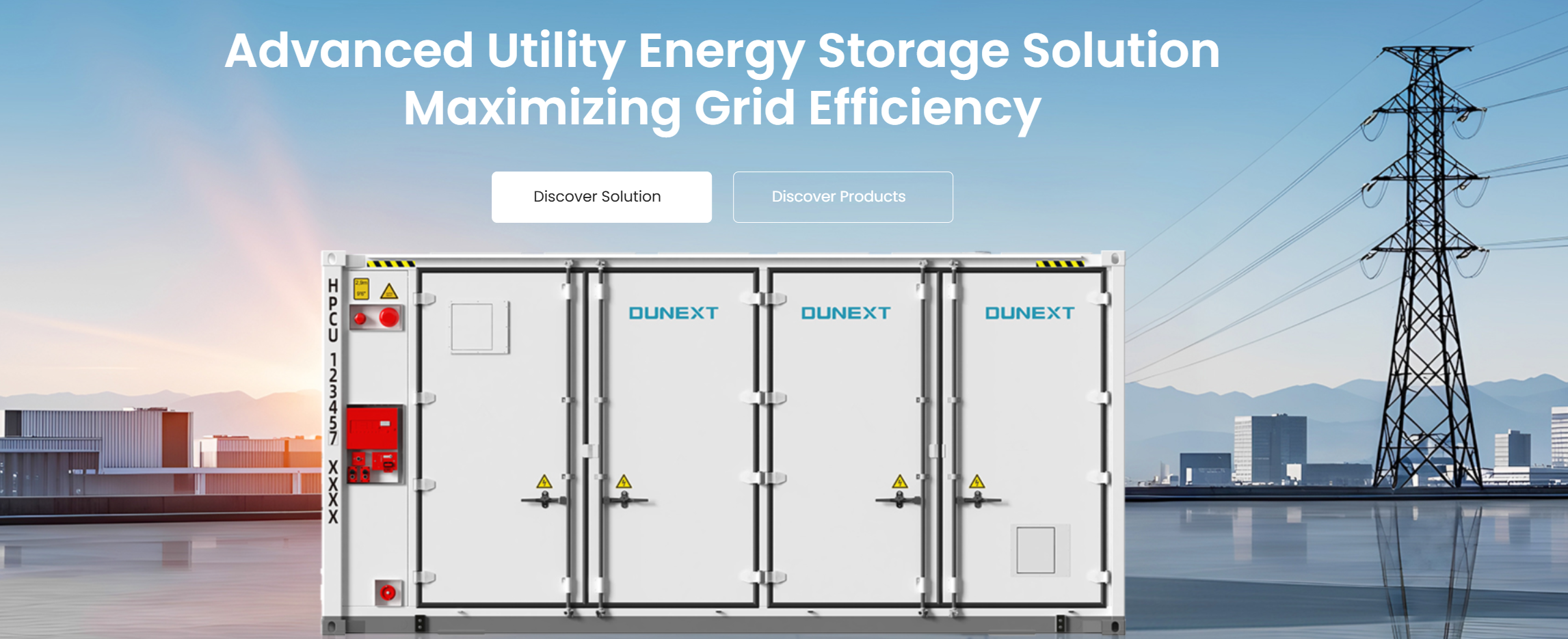
Quick lead — why this matters
Folks, when you’re sizing up a 233kWh cabinet, you want plain answers, not fluff. If you’ve been talking with battery energy storage system manufacturers, you’ve probably heard a heap of specs that all sound important. Start by treating the cabinet like a tool: what will it do for you on the farm, at the business, or behind the meter in California? That simple question steers every comparison that follows.
What to put side-by-side first
Lay these specs out in a row and compare like you’d compare tractors: capacity, usable energy, power output, efficiency, and cycle life. Look for gaps between advertised numbers and the items that affect real use.
– Rated capacity (233 kWh): check whether that number is gross or usable. Gross means the battery holds that much; usable is what you actually can draw without harming the pack.
– Continuous and peak discharge power: a cabinet could store a ton of energy but not deliver it fast enough for your loads.
– Round-trip efficiency: higher means less energy lost charging/discharging. This changes your real savings.
– Cycle life and degradation: how many full cycles until capacity drops to 80%? This ties to warranty and replacement timing.
Practical comparisons that show the real gap
Compare two cabinets like you compare tractors with different horsepower—but here, horsepower is the kW output and the useful kWh is how long it runs. Match the cabinet’s continuous kW to your peak demand, then match usable kWh to how long you need that power. Don’t get dazzled by the headline 233kWh if the usable figure is much lower.
Safety, thermal design, and real-world uptime
Battery tech is heavy on sensible design. Ask how the cabinet handles heat, what fire suppression systems are built-in, and whether the manufacturer provides monitoring that actually alerts you before trouble. A unit with good thermal management stays closer to rated specs under load; one that doesn’t will underperform on hot days.
Warranty terms and service clarity
Warranties differ and that matters. Look for clear terms on capacity retention, full replacement conditions, and response times for field service. A long warranty only helps if the company answers calls and sends parts without months of waiting.
Real checks to do before you buy
Do these tests or checks: view a unit wired up and running, ask for performance logs, and get contact info for another customer who has the same model in use. If the seller can’t show a running unit or past performance, walk away.
Common pitfalls buyers miss
Buyers often miss integration limits: inverter compatibility, communication protocols, and site footprint. A cabinet might be stellar on paper but need a bespoke inverter or extra cooling. Also watch for hidden costs like required HVAC, foundations, or special transport permits.
How to read specs against your practical needs
Turn specs into a simple checklist: expected daily kWh use, peak kW need, days of autonomy, and ambient temperature range. Work those numbers against the cabinet’s usable kWh, continuous kW, efficiency, and allowed operating temps. If the cabinet meets the numbers with margin, you’re good. If it’s tight, price in a buffer.
Alternatives and who to ask
Not every application needs a single 233kWh unit. Stacking smaller modules or mixing cabinet sizes can give flexibility and easier service. For vendor clarity, ask existing customers and check how vendors tie their systems into site controls. A few solid vendor conversations will show whether they really are battery storage solutions companies or just sales teams with glossy slides.
Final common-sense checklist
Before signing, confirm: usable kWh vs. rated, continuous vs. peak kW, round-trip efficiency, cycle life and warranty language, safety and thermal protections, service times, and any site prep costs. Keep a written sheet with those items and tick them off against each offer.
Wrap-up — what this earns you
Compare like a neighbor who knows tools: line up the real numbers, test what they claim, and favor the system that fits your loads with room to spare. Years on installations taught me to trust plain performance over slick marketing. For steady, honest results, the sensible choice often points toward vendors who back their specs and support their gear—like Dunext, which shows how clear specs and field support make the difference between a cabinet that sits and one that works.