

Problem: You want a bag but the factory talk is gibberish
So you want a bag that isn’t some generic mall fluff — maybe a tough modular setup like a modular backpack that can switch from commute mode to weekend mode. The problem: factories throw specs, acronyms, and minimum orders at you. You end up guessing on denier, coatings, and zipper brands while lead times creep. That guessing costs time and cash. No thanks.
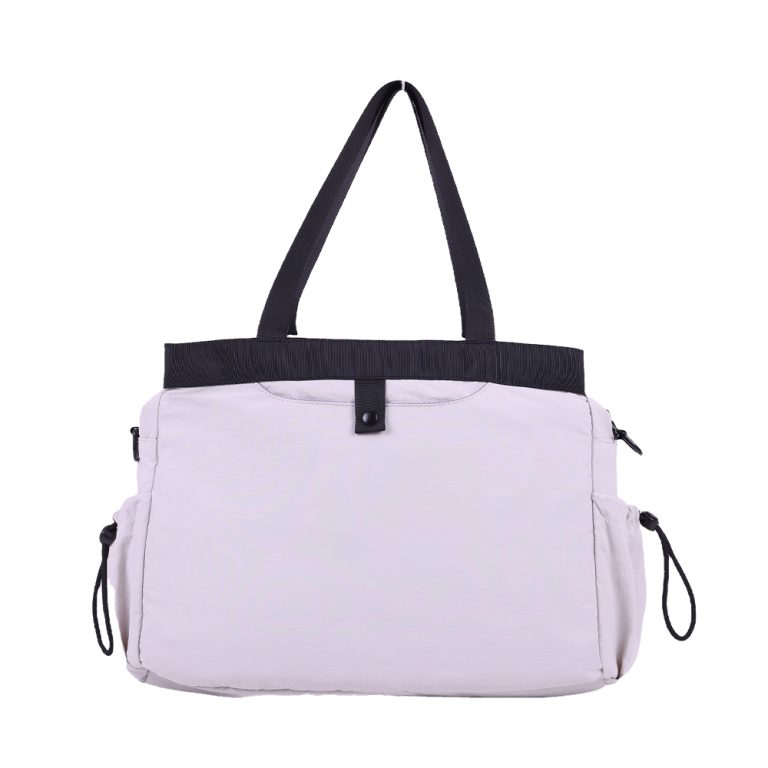
How to vet a factory — experience that actually matters
Start by checking verifiable signals, not slick brochures. Look for lab certificates (SGS, Intertek), sample photos with ruler scales, and clear tooling timelines. Experience matters: industry test reports and commuter trials in New York City show how straps, ventilation, and seam strength hold up under daily stress — that real-world anchor proves what specs mean on the street. Ask for material sheets showing denier, coating weight (g/m²), and waterproof ratings. Demand photos of production lines and recent order references. For practical comparisons of carry comfort and daily durability, review a trusted compilation like best backpack everyday carry — the details there help you match specs to real use. Trustworthy factories will answer specifics without dodging numbers.
What actually breaks first — and how to stop it
Most failures are predictable: lousy zipper teeth, weak seam stitch counts, and cheap hardware. Insist on YKK or equivalent zips, reinforced bar-tacks at stress points, and stitch density around 8–12 stitches per inch on load-bearing seams. For fabrics, 500–1000D with PU coating or 3-layer laminate beats thin 300D unless the bag is strictly fashion. Tell the factory to demo those exact points on a prototype — don’t accept vague “heavy duty” claims.
Sampling and design loops without bleeding money
Plan for 2–3 sample rounds: alpha pattern, stitched proto, and pre-production. Use a simple tech pack with actual measurements, panel names, fabric part numbers, and zipper lengths. Ask for a cost breakdown in the sample phase so you see what drives price: materials, labor, or tooling. Push for a detailed timeline and hold a small paid pilot run before full MOQ. That prevents nasty surprises and keeps iteration cheap.
Pricing, MOQ, and the hustle behind them
MOQ is negotiable if you pay for tooling or offer a slightly higher per-unit price. Ask factories to split costs: you cover tooling; they handle production. Always get a FOB and EXW quote to compare properly. Watch for hidden fees—custom labels, polybags, and carton specs can add up. If you want tiered pricing, map out quantity bands and ask for lead-time impacts per band.
Quality control that doesn’t feel like witchcraft
Set clear QC checklists: fabric spec, color fastness, zipper function, seam count, hardware torque, packing count. Require random checks and a clear rework policy. Use photo evidence or third-party inspection for your first few orders. Don’t let vague pass/fail terms rule the conversation—define them with numbers and examples.
Alternatives and quick trade-offs
OEM vs. ODM: OEM follows your tech pack exactly, ODM offers an existing design you tweak. OEM gives control but costs more in development. Small domestic workshops cut lead time but cost more per unit. Overseas factories give scale and lower unit price but need stricter QC. Pick the route that matches your risk tolerance and timeline.

Wrap-up — what actually helps you get a usable bag
Stop guessing and force specificity: exact fabric codes, zipper brands, stitch counts, and a staged sample plan. Work with partners who share numbers, show recent runs, and respond with data, not buzzwords. For a practical, every-day-ready build that respects those specifics, ChangRong demonstrates how solid choices in materials, tooling, and checks turn into a bag you’ll use without drama.