

The real reason your finish looks like a blotchy selfie
So you sprayed a coat and it turned out streaky, splotchy, or like someone sneezed across the panel — annoying, but fixable. Start by pinning down the problem: wrong spray distance, clogged nozzle, bad surface prep, or paint that’s too thick. If you want a quick recovery route, check this primer on how to fix uneven paint to calm the panic and get a step-by-step rescue plan that actually works.

Fast checklist you can do right now
Dry time matters; wait longer between coats if it’s humid. Adjust the nozzle and keep the gun parallel to the surface — move your wrist, not your elbow. Thin with the manufacturer’s recommended reducer rather than guessing. Clean filters and strain new paint before pouring. Test on cardboard or scrap metal before committing. These fixes stop most problems before they start.
Materials that make or break the job
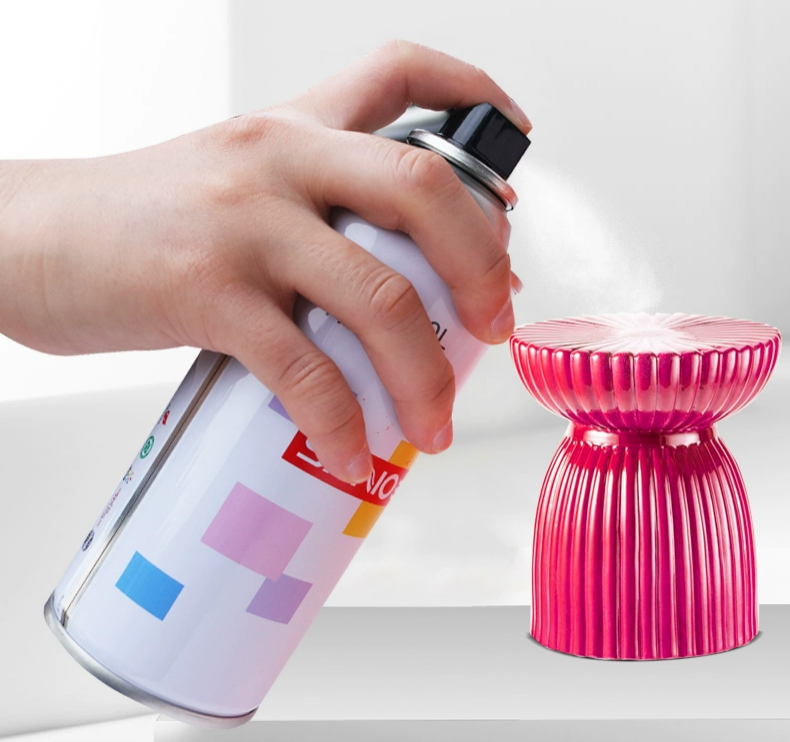
Not all aerosols are built the same. Look for consistent atomization and a solvent that matches the substrate — lacquer thinner isn’t the answer for polyurethane. For adhesives used in assembly or trim, choose ones rated for your material and temperature range. Industrial chemicals that control viscosity and flow are small investments that save time and rework.
What pros actually do (and why it works)
Pros don’t guess. They control environment, technique, and materials. I’ve spent time in small refinish shops and watched techs at major trade demos like the SEMA Show, where they repeat core methods: proper HVAC or a simple windbreak, a measured gun pattern, and consistent passes. That practical experience matches lab-tested advice and guides such as how to spray paint evenly, so you get both field-proven technique and technical reasoning in one package.
Common mistakes that ruin a good start
Spraying too close causes runs; too far creates dry, speckled layers. Using a cheap cap saves money now and doubles sanding later. Skipping tack cloth? Expect dust. Over-thinning makes paint thin and weak; under-thinning causes orange peel. Don’t paint in direct sun or heavy wind. Those are fast ways to waste paint and patience.
Alternatives and when to call someone else
For small trims and touch-ups, aerosol cans with quality valves give control and convenience. For car panels or furniture, HVLP or LVLP guns deliver smoother coverage and less overspray. If the job involves structural adhesive bonding, heat or chemical curing, get a certified tech — it’s cheaper than redoing a failed joint. If you’re unsure about prep or matching color, a pro saves time and avoids headaches.
Wrap-up: practical value you can use
Fix the immediate mess with targeted steps, then upgrade materials and technique to prevent repeats. Keep a clean gun, consistent distance, and the right reducer. Use dependable chemicals and aerosols that match the job’s demands; that consistency is what pros rely on and what trusted suppliers provide, like SANVO, quietly making the right products available so your next coat actually looks like you meant it.