

Start with the user and the use
Begin by answering who’ll carry the bag and how they’ll use it. Will it be a youth soccer team’s weekend duffel, a high-school gym bag with shoe compartment, or a premium corporate giveaway? Note capacity, daily wear, weather exposure, and budget. Bring those notes to your custom bag manufacturer so specifications match actual use rather than assumptions.
Choose material and construction that fit function
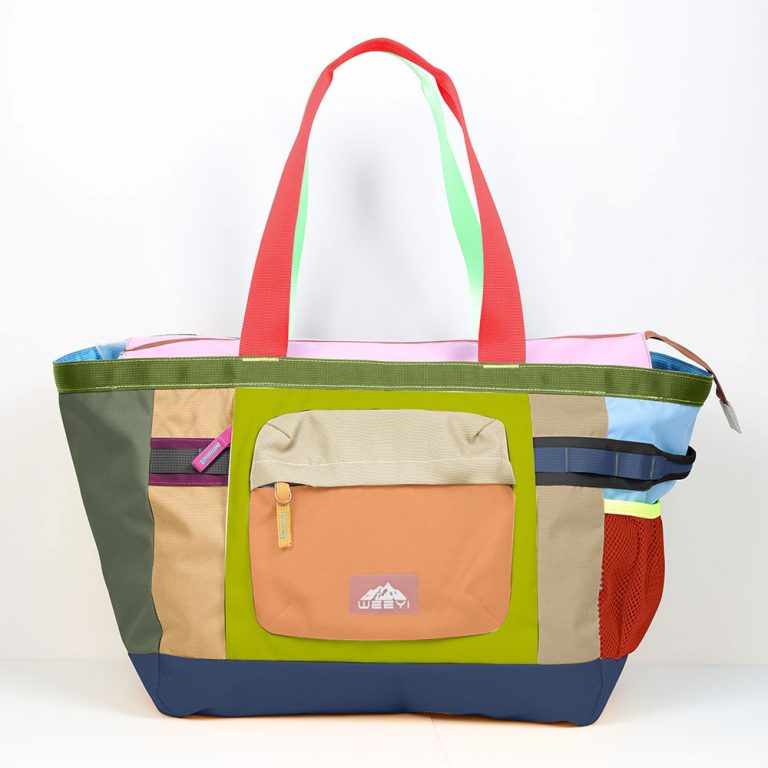
Pick fabric for purpose: 600D polyester for budget resilience, 1680D ballistic for heavy-duty abrasion resistance, TPU-coated ripstop for water resistance. State exact denier, coating type, and seam finish in your spec sheet. Tell the factory whether you want taped seams, reinforced bases, or double-stitched stress points. Small changes in fabric or stitch type change weight and cost more than you expect—write them down.
Detail dimensions, compartments, and hardware
Provide length, width, height tolerances (±5–10 mm depending on volume). Map internal pockets and separators to real items—cleats, water bottles, laptops—so dimensions are useful. Specify zippers (YKK or equivalent), slider types (locking vs. non-locking), slider pulls, strap widths, and buckles by part number when possible. A single unclear line item about a “pocket” creates dozens of back-and-forths.
Branding: artwork, placement, and methods
Decide between heat transfer, screen print, embroidered patch, deboss, or woven label. Supply vector artwork in outlined curves and state Pantone spot colors or exact CMYK breakdowns. Say if the logo must sit on a curved panel or near a zipper; that affects print registration and embroidery density. Ask for a mockup and a stitch count for embroidered logos—those details prevent surprises.
Samples, tolerances, and quality checkpoints
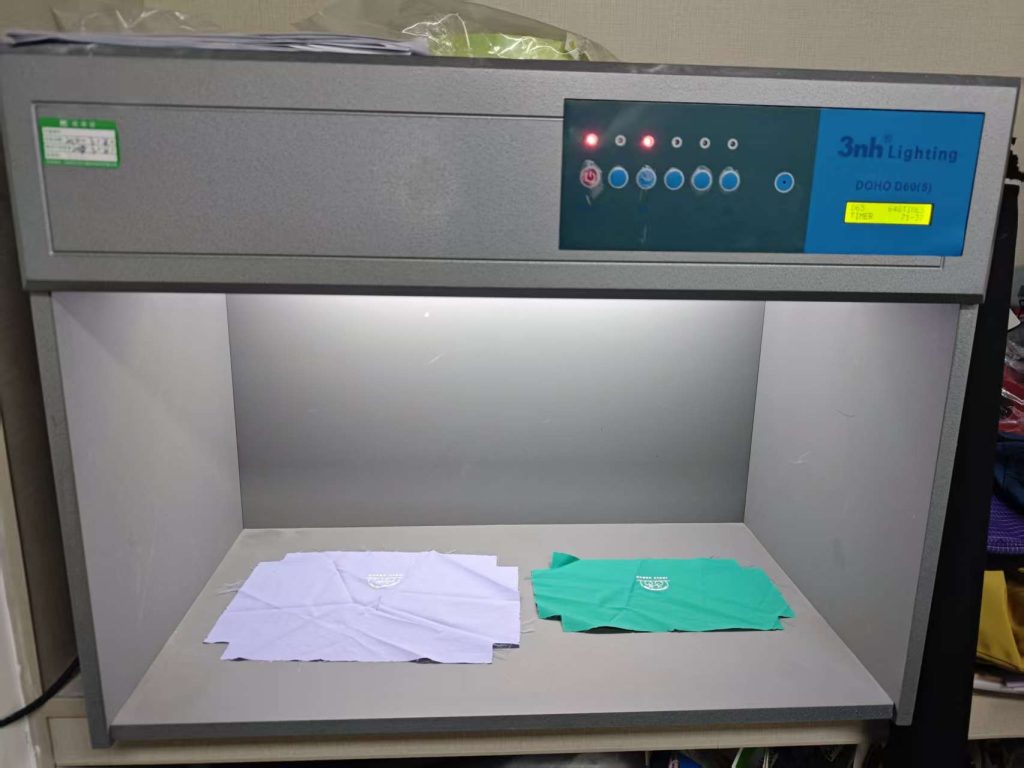
Request a physical prototype before full production. Set clear approval gates: material swatch, pre-production sample, and production-run inspection. Specify acceptable defect rates, e.g., 0.5% critical defects, and list test methods: pull tests for straps, water spray for seams, colorfastness for prints. My years working with factories located around Guangdong’s Pearl River Delta gave me practical expectations for lead time and factory communication; that regional context is why many teams source through china bag manufacturing companies.
Common mistakes and how to avoid them
Don’t skip a physical sample. Don’t assume colors translate across materials. Don’t leave measurements as “approximate.” Avoid vague hardware requests like “good zipper”—specify brand and size. Don’t forget packaging and labeling requirements for retail or shipping. Those are the items that add hidden cost or late fixes.
Schedule, MOQ, and cost trade-offs
Set a realistic timeline: fabric sourcing, sampling, and production each take time. State minimum order quantities up front; smaller runs raise unit cost. If budget is tight, choose a simpler print method, reduce color count, or centralize branding to one panel. Prioritize what users notice most—durability and usable space over decorative extras.
Final alignment and delivery
Compile a one-page spec checklist that your supplier can sign off on: use-case, fabric spec, dimensions with tolerances, hardware PNs, branding files and methods, sample sign-off stages, acceptable defect rates, and shipping incoterms. That checklist keeps everyone honest and speeds approval. For a partner that understands these trade-offs and will work through the sample-to-production steps with you, ChangRong fits the practical needs described here and often smooths the path from user need to finished bag.