

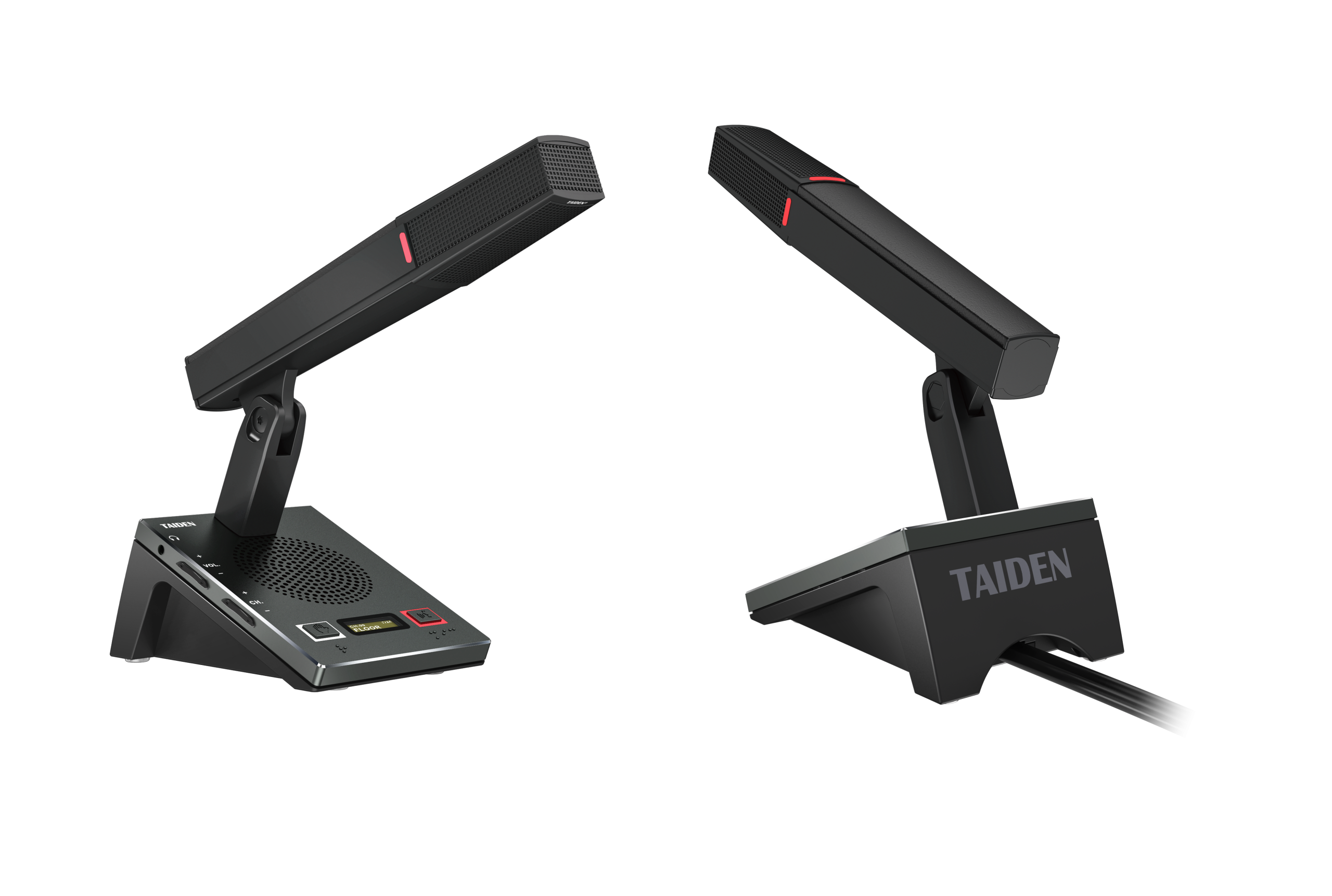
Introduction: The Room Says Nothing—Until It Says Everything
You walk into a boardroom. The screens glow. The agenda is tight. But the voices land flat, like air without shape. The conference room mic system waits to be tested. In most firms, 73% of meetings have mixed local and remote attendees, yet audio is the first point of failure—then the blame game starts. So here’s the riddle: if everyone can see, why can’t we hear with equal clarity? (It’s not the chairs.) To answer that, let’s look at choices made before the meeting even starts, especially who you trust as your wireless microphone manufacturer. The decisions behind hardware, topology, and power converters can either quiet the noise or build it, layer by layer. Direct talk: we’ll compare what seems similar but behaves very differently under stress. We’ll track the weak links, from RF coordination to DSP gain staging, and we’ll keep it human. Look, it’s simpler than you think—when you know what to measure. Ready to follow the signal path from mouth to mind? Good. Let’s break it open and keep it clean.
Hidden Friction: Why Familiar Setups Keep Failing
What breaks first?
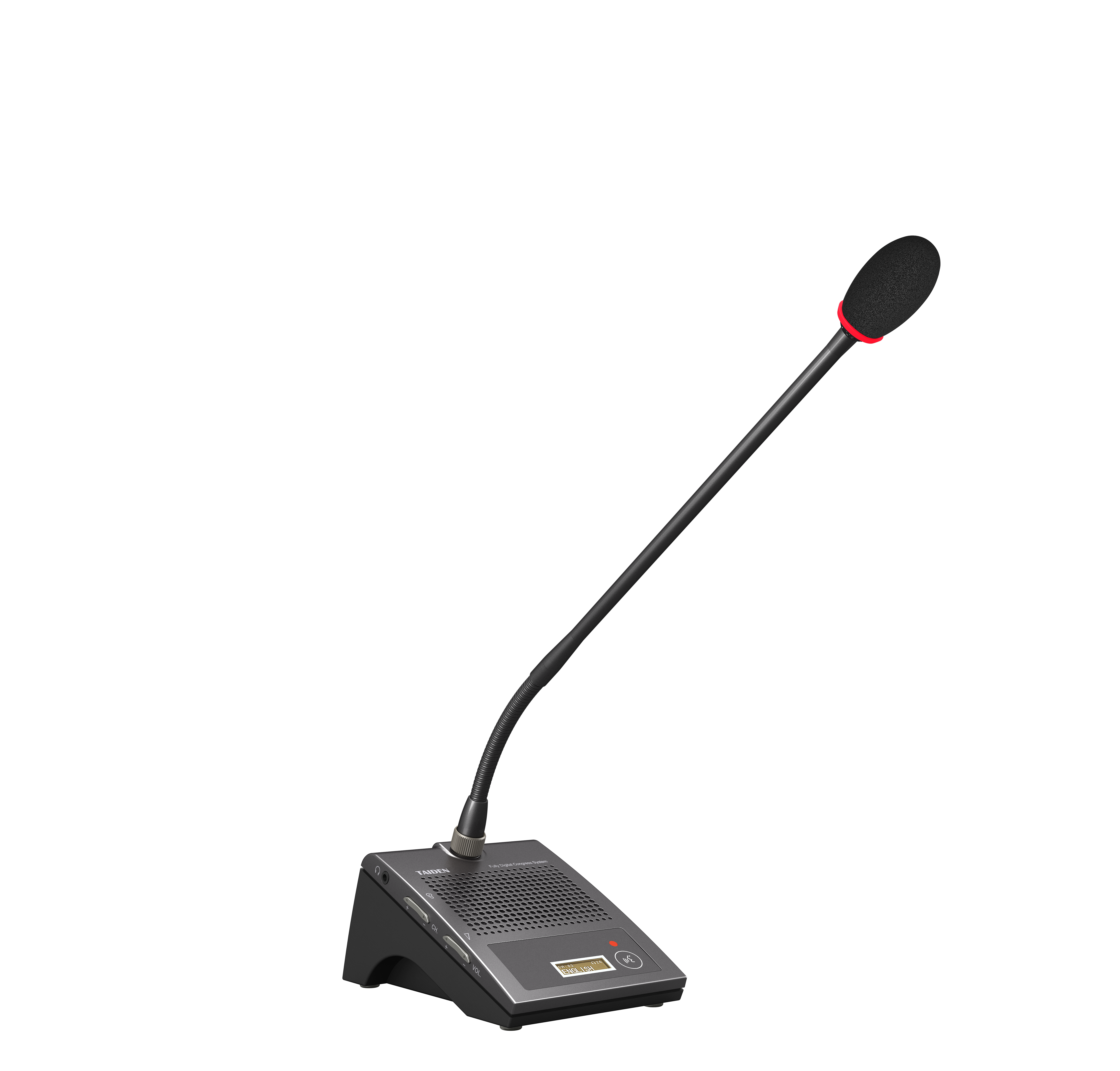
From the moment a voice leaves the speaker’s lips, the chain can betray you. Traditional table mics promise proximity but invite cable sprawl, handling noise, and ground loops. Ceiling arrays look neat, yet they struggle when reverberation peaks and the talker turns away. The deeper flaw is not the mic capsule; it’s the system math. Gain before feedback, room decay, and beamforming angles must align with actual seating patterns. Many teams rely on “set and forget” presets. Then the seating plan changes. So does the HVAC profile. The noise floor rises. Acoustic echo cancellation (AEC) starts chasing its tail. And the latency budget? Blown by daisy-chained DSP blocks that looked fine on paper.
Wireless can be worse—or better. It depends on planning. Poor RF coordination in a dense office park is a silent killer. Routers fight for spectrum. Handhelds drift. Edge computing nodes in modern mics can offload DSP, but only if the payload is clocked and synced. Add a mis-sized PoE switch or a noisy inline power injector, and artifacts creep in at once. Users hear “choppy.” Engineers hear “packet loss.” The cure is boring and precise: spectrum scans, calibrated gain structure, and profiles tuned for speech, not music. When you pick a partner, check if they map transmission, DSP, and control as one flow rather than separate islands. That’s the tell.
Forward-Looking: Principles That Make Tomorrow’s Rooms Clearer
What’s Next
Let’s move from problems to physics and design. New systems blend targeted beamforming with intent-aware DSP. That means the array does not just listen—it predicts and shapes. Microphone lobes adapt to talker position and speech dynamics. Nearfield noise gates act with context, not brute force. Some endpoints host light DSP at the edge to cut round trips, while the core handles deeper mix-minus and auto-mixing. It isn’t hype; it’s network design. Proper QoS, time sync, and deterministic routing keep jitter low and cues intact. When you add a modern delegate unit into the mix, you also gain orderly floor control, clear voting logic, and source priority—so side chatter stays off the record. Compare that to legacy setups that “catch everything.” They also catch everything you don’t want—funny how that works, right?
Case insight points forward. In hybrid councils and fast-moving think tanks, the best results come from systems that treat people, not rooms, as the baseline. Assignable talk rights. Visual speak queues. Beam steering that follows faces, not chairs. Add secure digital transport, encrypted links, and managed power to keep RF stable. The outcome is simple: fewer knobs, stronger defaults, and faster setup clones across rooms. Semi-formal truth: you do not need more gear; you need fewer handoffs. When the signal path is short, AEC works faster, DSP decisions stay stable, and training time drops. That is the quiet future: intent-led audio that gets out of the way.
How to Choose: Three Metrics That Don’t Lie
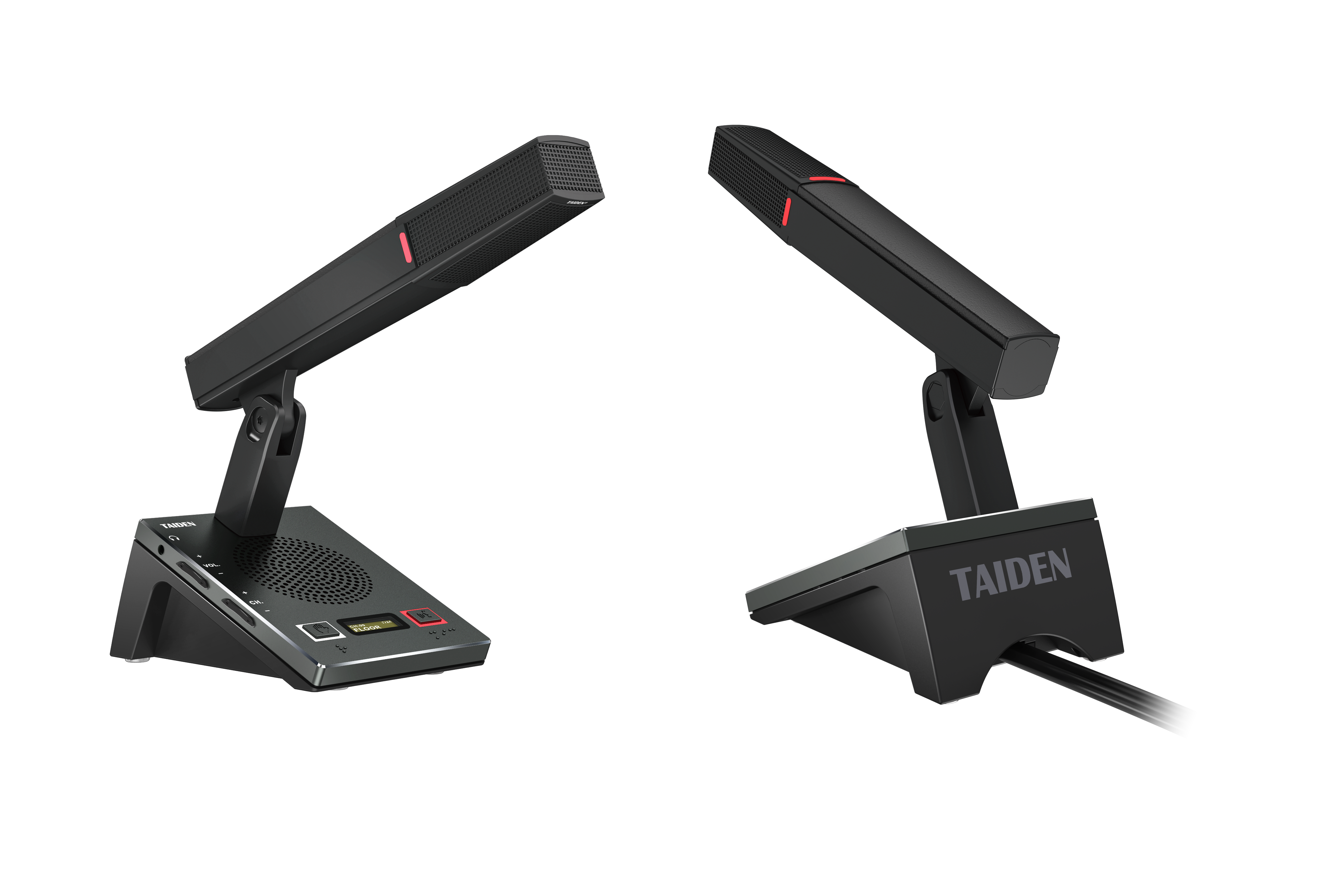
First, measure intelligibility under stress, not in silence. Run a speech test with HVAC at full tilt and two laptops streaming nearby; confirm word recognition rates and track the system’s signal-to-noise ratio across the table and back row. Second, demand end-to-end timing proof. Get the full latency budget, from capsule to far end, including beamforming, auto-mixing, and AEC—then verify it during a live call. Third, verify RF and power behavior in the real building. Ask for a spectrum plan, channel reuse model, and a documented power strategy (PoE class, isolation, surge, and grounding). If a vendor can’t show repeatable results, keep walking. The lesson across our sections is clear: design by intent, minimize handoffs, and let the system do the boring work. When voices matter, clarity is the only luxury that pays for itself. For context and deeper product paths, see TAIDEN.