


Problem statement: what stalls blade battery production
Many factories in East Africa and beyond face the same hard problem: moving from hand-built modules to a repeatable blade battery line without breaking budgets or compromising safety. The immediate issues are inconsistent weld quality, manual handling that damages ultrathin cells, and slow in-line testing that creates backlogs. Manufacturers that attempt ad hoc fixes often end up adding isolated machines rather than a coherent sequence, so throughput never reaches planned capacity. I have coordinated assembly projects in Nairobi and witnessed these stoppages firsthand, so I look for clear engineering answers rather than vague prescriptions. Early integration of manufacturing automation technology eases many of these constraints and exposes the true gaps you must fix.

Why the problem persists: root causes
– Poor line balance: workstations with large cycle-time variance create queues and idle time. – Fragile cell handling: blade cells are long and thin; rough handling causes micro-cracks not visible at first. – Thermal and electrolyte risks: inconsistent thermal management during assembly raises safety flags and rework. – Fragmented inspection: separate offline tests miss process drift that only shows up in later stages. These are practical faults, not theory. They demand engineering fixes, process controls, and continuous measurement.
Core features of an effective blade battery assembly line
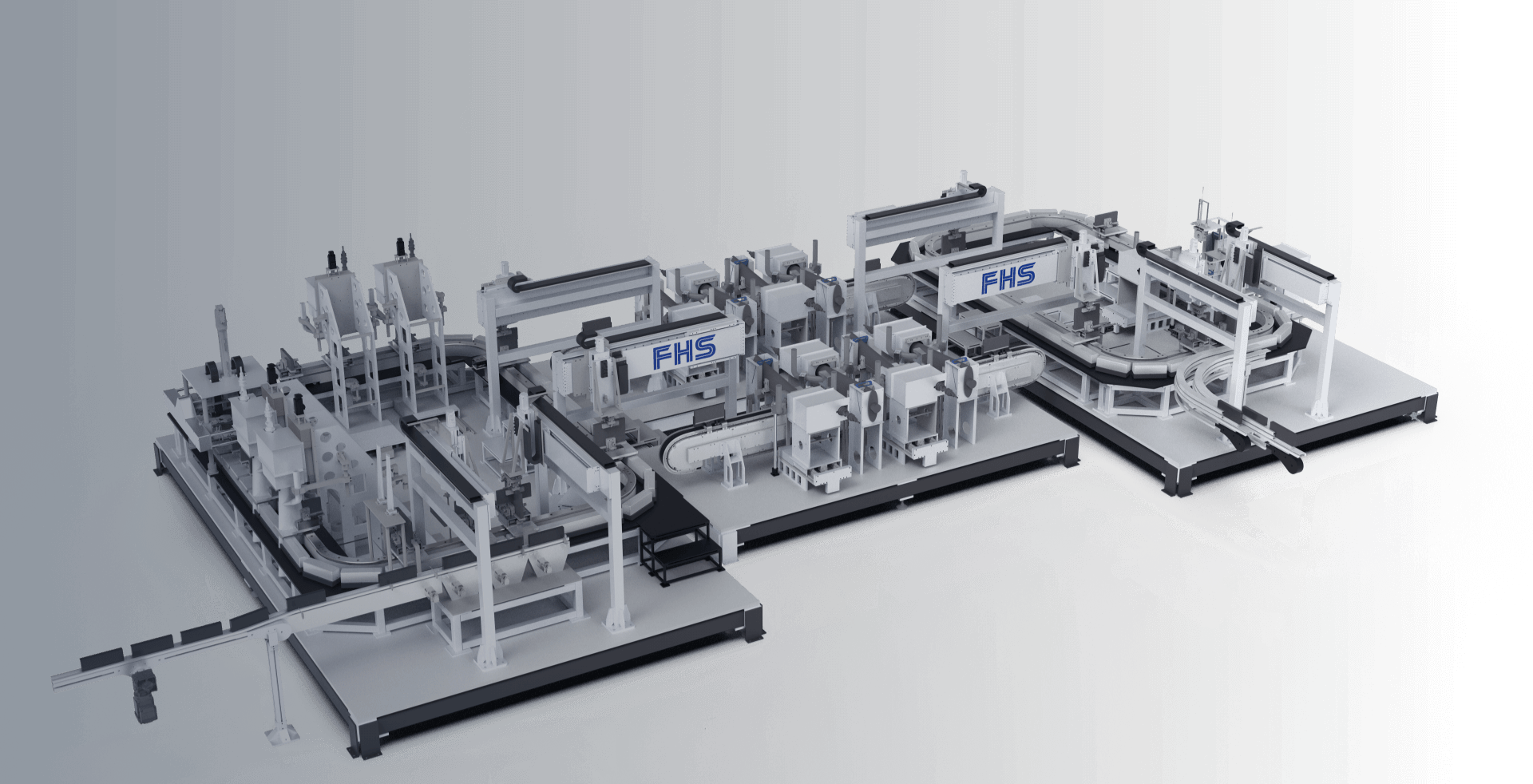
An effective line addresses the root causes directly and uses robust controls and layout. Key features to prioritise: – Modular conveyor-driven work cells with matched takt times to eliminate bottlenecks. – Automated cell handling robots that use soft grippers and vision guidance to prevent mechanical stress. – Inline laser welding stations with closed-loop current and force monitoring for consistent joints. – Integrated quality inspection—high-speed vision and impedance checks—so defects are caught immediately. – Controlled environment zones (dry rooms, dust control) placed only where necessary to reduce operating cost. These components rely on mature industrial automation technology to work together, not as standalone islands.
Where blade lines are applied and how they differ
Blade battery assembly lines serve several distinct applications; layout and equipment choices follow the end use. Typical applications: – Electric vehicles: highest emphasis on weld reliability and traceability. – Stationary energy storage: prioritise cost-per-kWh and ease of module repair. – Commercial battery packs for e-mobility (buses, trucks): ruggedised handling and fast cycle times. Designers choose different automation levels depending on volume and product mix. A line for low-volume prototype builds looks and functions differently from a gigafactory cell-to-pack line.
Measurable benefits you can expect
Fixing the problems above delivers measurable outcomes. Expect: – Improved first-pass yield and fewer safety incidents. – Reduced labour exposure to hazardous tasks; staff shift to inspection and process upkeep. – Predictable takt time and a steady throughput that matches upstream cell supply. – Clear traceability: every pack gets a documented history from cell to final test, simplifying recalls if they occur. Those gains convert into lower rework cost and faster time-to-market when the line is commissioned correctly.
Common pitfalls and pragmatic mitigations
– Over-automation too early: automate the wrong task and you entrench a bad process. Start with process stabilisation, then add robots. – Ignoring small-sample statistics: a handful of passing packs does not prove stability; use control charts and run-length studies. – Supplier misalignment: mismatched component tolerances cause frequent jams; enforce clear mechanical and electrical specs. – Insufficient operator training: the team must understand diagnostics, not just button-pushing. Cross-train maintenance and production staff. Address these areas with measured pilots and data collection rather than large, immediate rollouts.
Standards, events and proven references
Keep design decisions anchored to recognised forums and standards. Presentations and exhibitors at Hannover Messe repeatedly highlight successful factory-level integrations for battery production; use those case studies to validate equipment choices. Where possible, reference published test protocols and applicable safety standards during design reviews to ensure compliance and easier certification.
Conclusion: practical next steps and the role of a coherent partner
Start by mapping your current bottlenecks against the features listed here. Pilot the most critical station—often laser welding or final inspection—measure cycle times and defect types, then expand with matched takt and modular automation. Integrate process data into everyday supervision so faults are visible before they compound. For facilities seeking a measured, engineering-led partner that understands both control systems and factory floor realities, FHS fits naturally into that workflow, offering systems and process know-how that close the gaps between prototype and reliable volume production.