

Why a comparative view matters right away
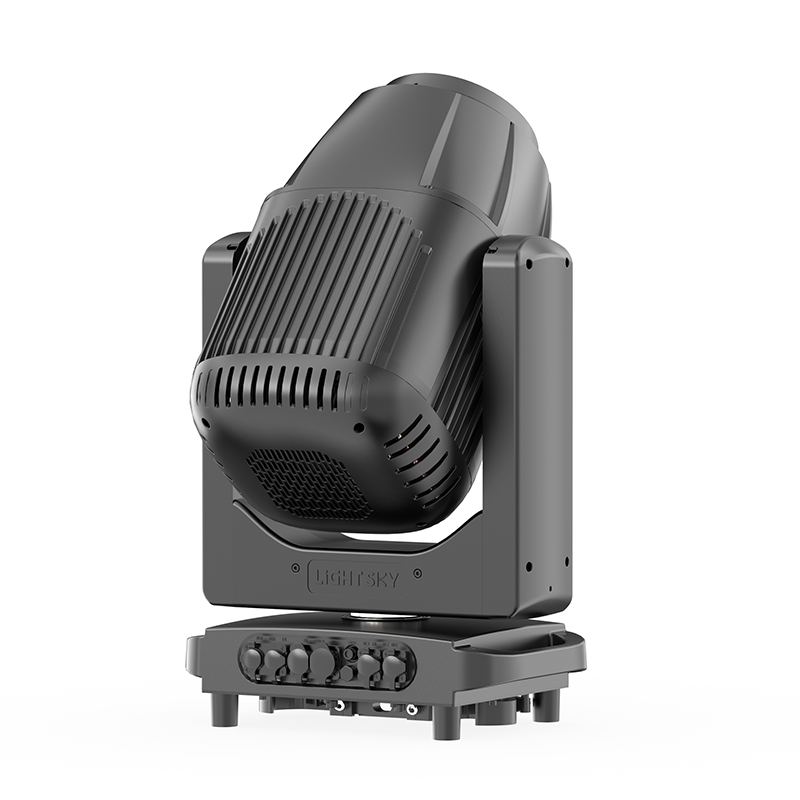
I build lighting rigs like a founder builds product — by asking which trade-offs unlock the most value. Comparing options side-by-side makes you skip the marketing noise and focus on outcomes. That’s where a hybrid like the 3in1 BSW moving head beam light starts to look interesting next to a plain wash: it blends beam control, colour mixing and gobos into one head, so you get fewer fixtures on the truss but more capability on stage. Think of the Super Bowl halftime show: planners combine tight beams and broad washes to shape moments — same logic, different scale — and your local club or theatre benefits from the same thinking.
Specs that actually matter (not the spec sheet fluff)
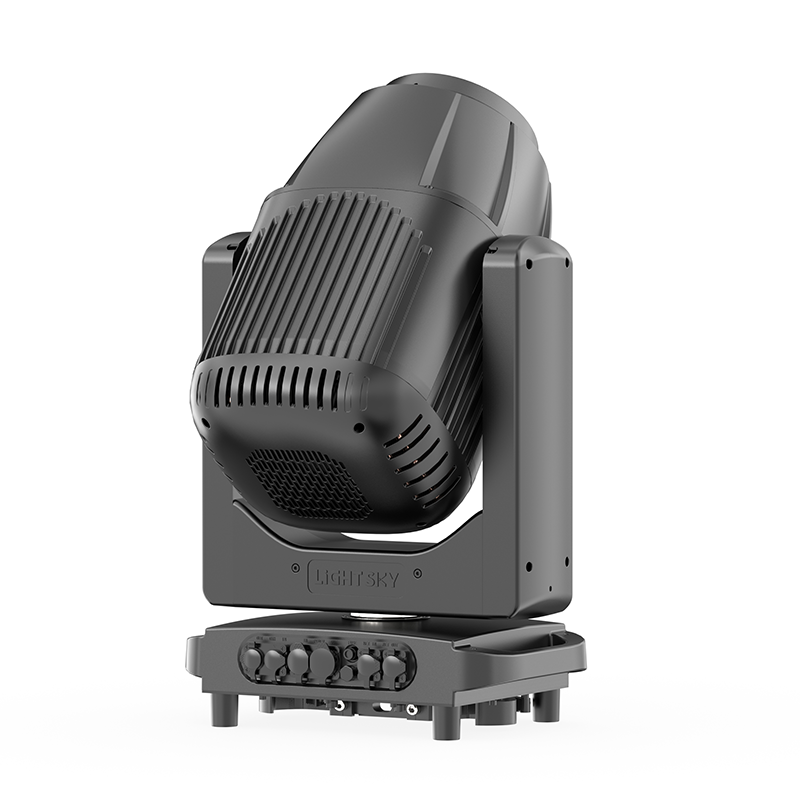
When you’re comparing units, focus on three clusters of specs: output, control, and mechanics. Output = lumen and beam angle; you need enough lumens for front-fill or house light, and the beam angle to match your fixture spacing. Control = DMX channels and pixel-mapping potential; simpler rigs use 16–32 DMX channels, touring rigs push into sACN and pixel control. Mechanics = Pan/Tilt range, zoom range and gobo wheel options. Those are the metrics that change how fast you rig and how flexible your show is.
Side-by-side profiles: where each type wins
Compare profiles as if you were choosing a plan: club, black-box theatre, and small touring band.
– Club: Tight beams and sharp gobos create atmosphere. Prioritize beam angle, high lumen output, and quick Pan/Tilt.
– Black-box theatre: Soft washes and accurate colour temperature matter most. Look for smooth dimming curves, CRI-friendly LEDs, and wide zoom.
– Touring band: Durability, DMX universality, and fast setup. Choose units with robust mechanics, locking power/data, and easy firmware updates.
Common mistake: buying the flashiest head without matching venue scale — too much zoom or too few lumens still leaves holes in coverage.
Alternatives worth considering
If a moving head wash isn’t the perfect fit, these alternatives reduce cost or complexity: LED PARs for static wash, profile spots for tight stage framing, and dedicated beam fixtures for club peaks. The trade-off is always capability vs. simplicity. For hybrid needs — when you want wash, beam and some gobos — a 3-in-1 unit often beats buying three separate fixtures for weight, power and rigging simplicity.
Testing, deployment and the mistakes I’ve made — short takes
I once rigged a mid-sized venue with lightweight hybrids and forgot to map true dimming curves — things looked harsh under house light. Lesson learned: always run a quick calibration pass during tech. Also, don’t assume floor plans; test in the actual venue and confirm beam angle covers the distance. When I say {main_keyword}, I mean the core fixture role: broad stage illumination. When I say {variation_keyword}, I mean variants like 3-in-1 heads that mix beam/wash/spot behaviors. – Small note: firmware mismatches eat show time; standardize firmware versions before load-in.
Deployment checklist and what to measure
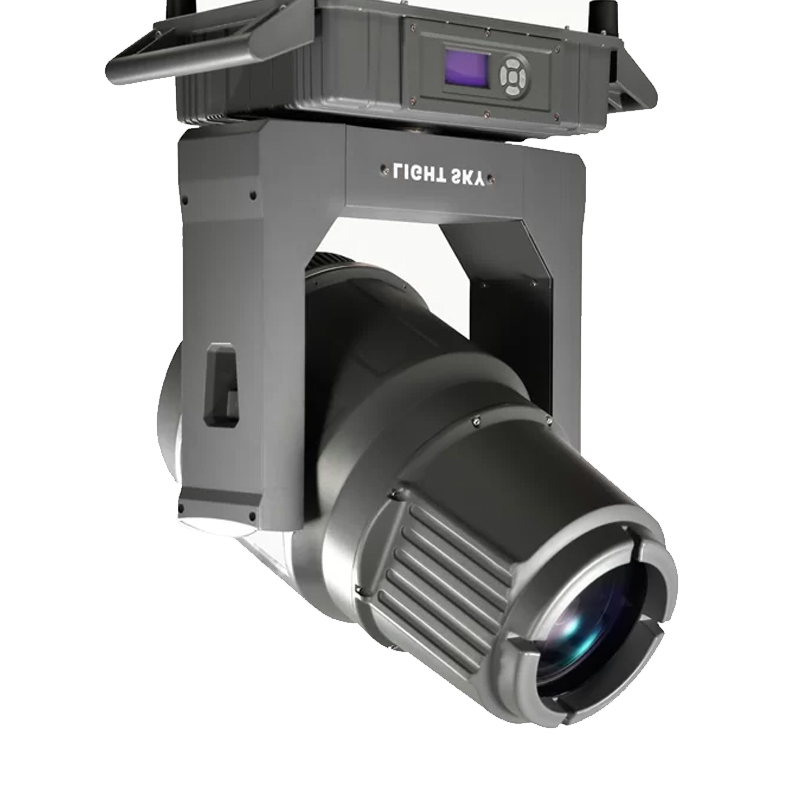
Before you commit to a model, run a simple test sequence: coverage sweep, colour match to LED house fixtures, and a strobe/refresh check. Measure three things during that sequence: lux at audience plane, beam uniformity across the stage, and mechanical repeatability of Pan/Tilt. These give you objective numbers to compare side-by-side instead of relying on aesthetics alone.
Three golden rules for selecting a moving head wash light
1) Match output to distance, not to brochure claims. Use lumen and beam angle to model coverage before you buy. 2) Prioritize control compatibility (DMX/sACN/Art-Net) to avoid surprises during integration. 3) Factor total cost of ownership: serviceability, spare parts and firmware support often outweigh a small difference in price. If you need a flexible hybrid that reduces rig complexity, consider how a unit like the moving head wash light or similar 3-in-1 devices change your truss plan — less weight, fewer power runs, faster load-in.
Choose based on measured outcomes, not marketing buzz. The right fixture helps your team move faster and keeps the audience in the moment — and that’s why I trust testing over hype. Light Sky. —