

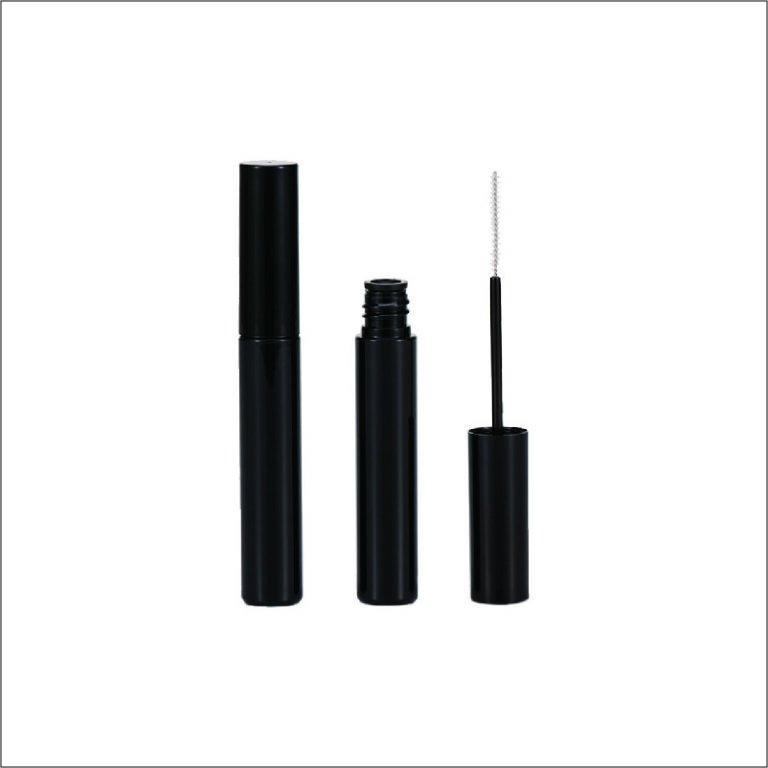
When a launch date meets a leaky cap (and you’re the one holding the calendar)
You pack sample wands into your bag, head to the lab, and test the latest tubes—only to spot micro-leaks on two shades and a loose cap torque on the third. Empty mascara tubes wholesale can sound like an easy line item until the details hit your shelf tests. Recent buyer surveys show that nearly 1 in 3 first runs slip by two to four weeks, with delays tied to wiper fit, cap-thread mismatch, or color variance in anodized components. And here’s the kicker: even small misreads in viscosity during fill can throw off wiper backflow and streak the brush (tiny issues that turn into big returns). So you ask yourself: is it the vendor, the spec, or my own test plan? The honest answer is “a little of each.” But you can still simplify—without dumbing it down. Think scenario-based testing, shared tolerances, and clear pass/fail gates—funny how that works, right? If your goal is clean launches and fewer surprises, you’re in the right place. Let’s move from fire-fighting to comparison with intent.
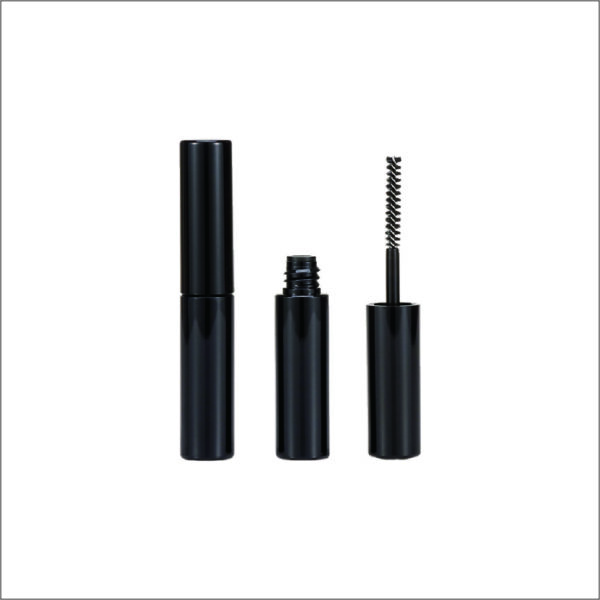
Behind the order: the hidden gaps your spec sheet isn’t catching
Where do specs go off track?
Most buyers treat mascara tube manufacturers like interchangeable vendors, but the real difference sits in process control and how your tests map to their line. In injection molding, ±0.1 mm sounds tight—until you realize your wiper durometer and stem flex modulus multiply that error at the brush tip. A cap that passes a 0.3 N·m torque test in the lab may twist past safe limits after transit vibration. Color shift? If the color masterbatch spec lives on your side but the supplier runs hot-cold cycles without your approval, anodized aluminum caps can drift by Delta E 1.5–2.0 and mis-match your brand swatches. The fix is technical but friendly: link fill viscosity to wiper aperture, lock stem length tolerance to brush density, and ask for SPC charts on critical-to-quality points. Look, it’s simpler than you think—when you trace cause-to-effect instead of chasing symptoms.
Hidden pain points also hide in timing. MOQs look fine on paper, but tool warm-up, QC inspection cadence, and holiday shutdowns widen your true supply chain lead time. If your pilot fill uses a lower-solids formula than your production batch, backflow at the wiper changes, and so does leak risk. Specify TPE wiper grade, set a cap-thread gauge, and request first-article reports with CPK on neck finish. For sustainability targets, match PCR resin content to wall thickness; PCR PP with thin walls flexes differently than virgin PP, affecting the air-tight seal. And don’t skip the basics: a 24-hour upright/inverted leak test, brush withdrawal force windows, and a drop-test with a wet fill. These are not “supplier chores”—they are your insurance against rework and returns.
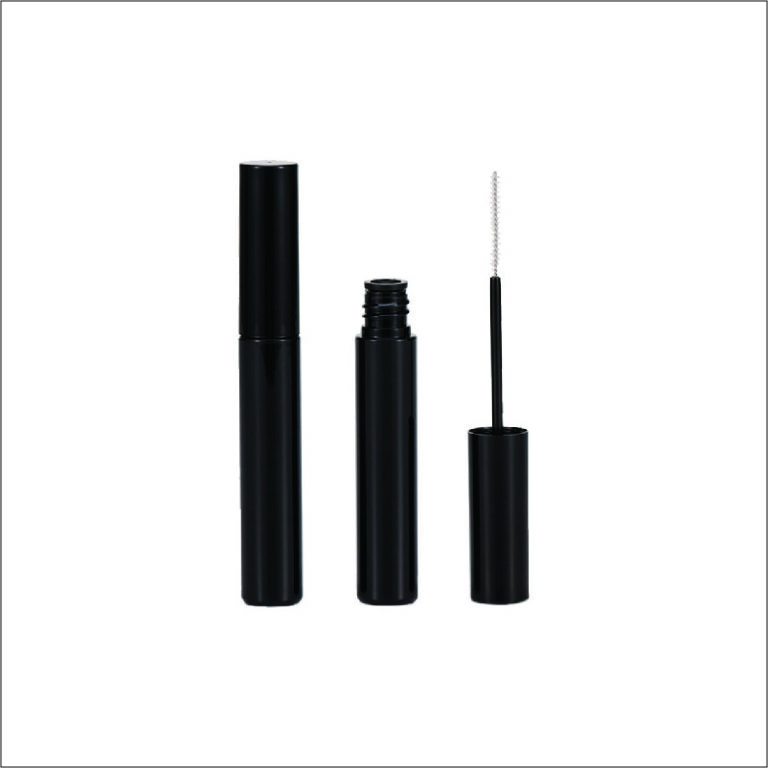
Next‑gen sourcing: compare by signals, not promises
What’s Next
We’re moving from brochures to measurable signals. Here’s a forward look using new technology principles you can actually request. Ask vendors to share digital mold logs and SPC dashboards that show real-time drift on neck ID, wiper aperture, and cap thread pitch. Inline vision systems can measure flash and gate marks per part—no guesswork after the fact. 3D metrology scans on first articles flag stem runout before you see streaky application. And with lot-level serialization tied to torque curves, you can trace a leak spike to a specific press or cavity—fast. When you evaluate wholesale empty mascara tubes, compare not only price and MOQ but also the clarity of these data signals (and whether you’ll actually get them with each shipment). A supplier that shares process capability indices and thermal history plots is showing you control, not just confidence—big difference.
Real-world impact looks like this: a brand aligned its formula viscosity window with wiper geometry using a simple DOE and cut field leaks by 41%. Another adopted pre-ship torque audits and saw returns drop below 0.3%—yes, even for small MOQs. None of that required exotic gear; it required shared definitions and visible data. So, pulling it together without repeating ourselves: map your formula-to-hardware fit, test for motion and temperature, and ask for process evidence, not promises. To choose well, use three clear yardsticks. One: capability—request CPK and first-article reports on neck finish, wiper, and cap threads. Two: consistency—require inline inspection snapshots and leak/torque histograms per lot. Three: compatibility—run fill-viscosity checks, brush withdrawal force, and drop tests with your actual bulk. Do this, and your “compare and buy” turns into “spec, verify, and sleep at night.” For steady partners and clearer signals across the board, brands often look to names with transparent process control like NAVI Packaging.