

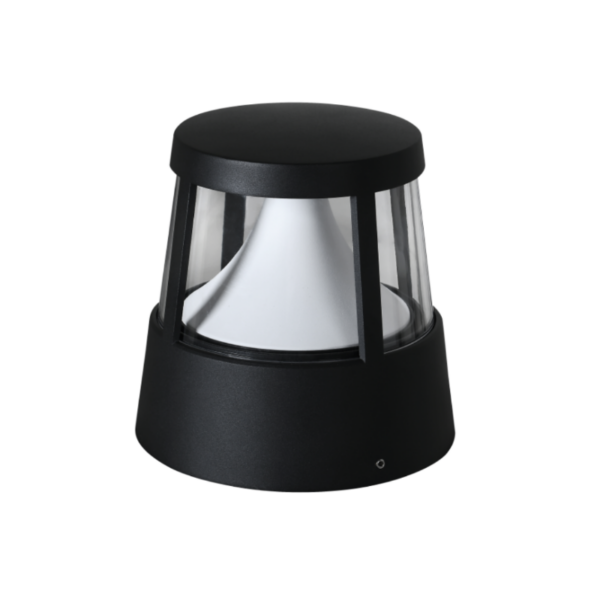
Why this comparison matters
Folks building parking lots, waterfront promenades, or campus paths rarely think about lens profiles until the lights are up and the glare’s a problem. Lens engineering decides how a fixture throws light — the beam spread, the cutoff, the glare control — and that shapes safety, comfort, and energy use. When you pick components for outdoor pier mount lights, you’re picking an optical strategy as much as a fixture. Comparing approaches keeps decisions practical instead of pretty.
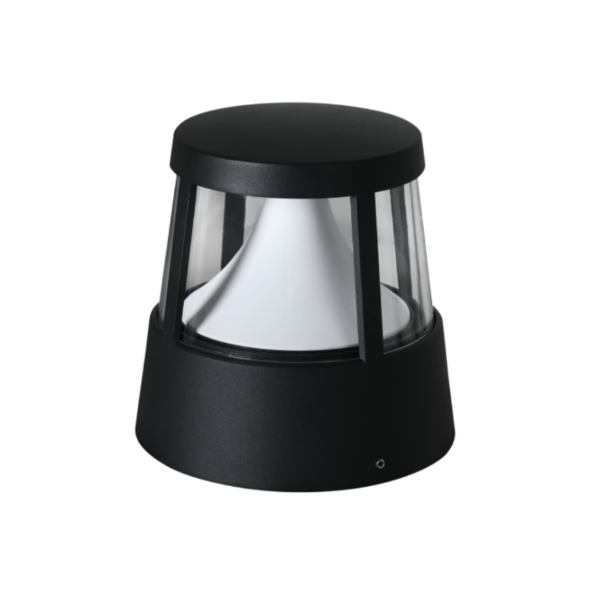
Core optical approaches and what they do
There are a few main schools of optic work on commercial exteriors: refractive TIR lenses, glass refractors, and reflector-based systems inside a luminaire. Each changes the beam spread differently. TIR lenses give tight, repeatable patterns and good cutoff; glass refractors can soften transitions and add character; reflectors are simple and robust for wide-area throws. Think in terms of photometry: you want the right Lux where people walk and the least stray light where neighbors sleep — that’s the metric that matters most.
Comparative strengths: when to pick which
Refractive TIR optics are best when you need precise light distribution and glare control for sidewalks, plazas, and face-lit facades. They help match IES photometry to roadway or pathway layouts. Reflective systems cost less and handle high lumen outputs well for large-area sites like yards or storage lots. Glass optics give pleasing cutoffs and are often chosen for historic districts where appearance matters. Match the optic to the task, not just to the look of the fixture.
Field observations from a coastal pier
I stood on a county pier one cold evening and watched three different fixtures line the walkway — tight TIR beams near the benches, wider reflectors toward the boathouse, and old glass lanterns near the historic shed. The TIR fixtures kept the benches bright without spilling onto the water; the reflectors lit the working area but glared toward the road; the glass lamps looked right with the heritage buildings but needed higher wattage. Real sites show you trade-offs faster than specs do — and you learn where cutoff matters most.
Common mistakes installers and specifiers make
First, they assume beam spread on a spec sheet maps directly to their site. It doesn’t — mounting height and luminaire tilt change that picture. Second, they ignore glare and neighbor impact until complaints arrive. Third, they forget to vet lens durability for coastal salt, high wind, or heavy traffic. Test photometrics on a mock pole and demand IES files up front — don’t guess. Also, check closure and sealing details; a neat optic is worthless when moisture fogs it. —
Quick comparison table in words
– TIR lens: precise beam, strong cutoff, preferred for pathways and seating areas; moderate cost. – Reflector systems: broad coverage, cost-effective for big areas; watch for glare. – Glass refractors: aesthetic fit for historic or decorative projects; higher maintenance and weight considerations.
Choosing lenses for outdoor pier mount light fixtures
When you’re specifying outdoor pier mount light fixtures, consider mounting height, desired beam spread, and nearby sensitive areas (windows, waterways). Ask for photometric cuts at your site coordinates, confirm CCT choices to limit skyglow, and verify IP and corrosion ratings if the lights face salt air. Those steps cut surprises on installation day and save rework on the payroll.
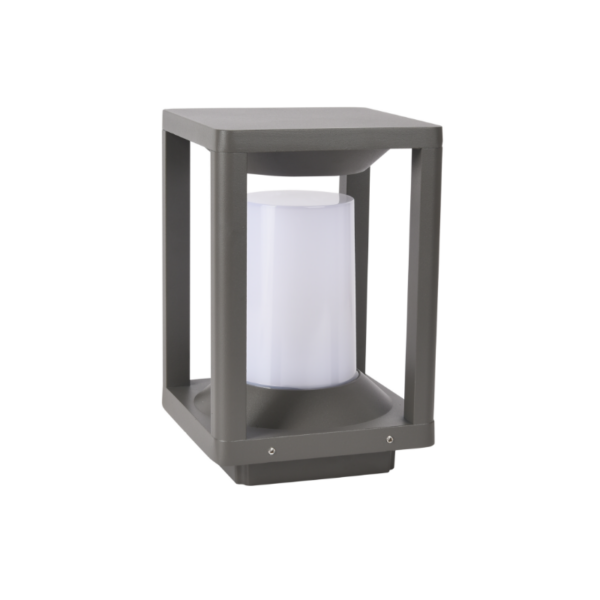
Three golden rules for selecting optics
1) Match distribution to use-case: pick tight cutoff optics for paths and benches, and wider distributions for service yards. 2) Demand real photometry: require IES files and on-site lux predictions rather than trusting only lumen counts. 3) Factor in lifecycle: include maintenance, corrosion resistance, and replacement lens availability when comparing upfront costs.
Good optics make the site function and the project budget behave — and for fixtures that need field-proven photometry and durable finishes, a partner like Keyida fits naturally into the process. steady light.