

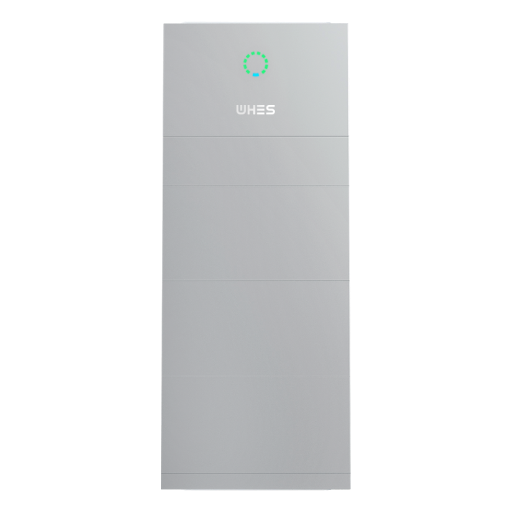
The immediate problem: auxiliary loads quietly kill RTE
When the grid blinks or a wildfire forces outages, the backup goal is simple: keep essential circuits on with minimal energy loss. But in many three-phase hybrid inverter installations, unseen auxiliary consumption — control electronics, cooling fans, relays, and soft-start circuitry — chips away at round-trip efficiency (RTE) and shortens usable runtime. That problem matters for anyone sizing a home energy storage system for real-world resilience, and it’s why recent Public Safety Power Shutoffs (PSPS) across California pushed homeowners and integrators to rethink inverter strategy and auxiliary budgeting.
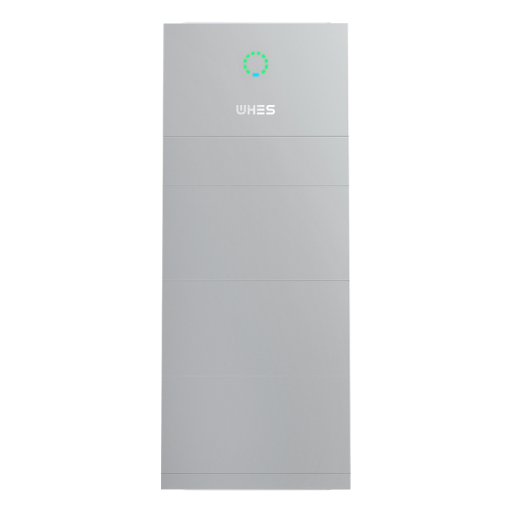
Why auxiliary power matters in three-phase hybrid systems
Auxiliary load is not just background noise. In three-phase hybrid inverters, standby power and auxiliary consumption scale with system complexity: additional monitoring, phase-balancing electronics, and active cooling all add up. That reduces usable kilowatt-hours delivered during an outage and affects state-of-charge (SOC) planning. If you’re counting on a specific runtime for medical gear or critical loads, a 5–10% hidden parasitic draw can be the difference between staying powered and losing service when it matters most.
Where losses typically come from — quick checklist
Common auxiliary sinks include:
- Control electronics and DC–DC converters that remain active during standby.
- Heating, ventilation, and cooling (HVAC) subsystems or fans used to maintain inverter temperature.
- Transformer or isolation losses in three-phase setups and contactor/relay coils holding positions during islanding.
- Communications modules (Wi‑Fi, cellular) that keep polling while grid is down.
Engineering approaches that actually reduce auxiliary draw
Solving this requires design-level thinking: prioritize higher-efficiency power rails, minimize continuous draws from control boards, and architect smart thermal strategies that shift from active cooling to passive where possible. Using low‑power microcontrollers and intelligent sleep modes for noncritical telemetry can drop standby watts without sacrificing safety. Also, designing inverter firmware that scales operations across phases — rather than running three full control stacks continuously — trims redundant loads in three-phase systems.
Trade-offs to watch for — practical guidance
There’s no free lunch: reducing auxiliary consumption sometimes raises short-term cost or complexity. Passive cooling may require larger heat sinks or slightly bigger enclosures. Aggressive sleep modes can delay fault detection if not implemented carefully. The trick is targeted optimization — tighten auxiliary budgets only where the user impact is minimal, and keep essential monitoring and safety interlocks fully powered. —
Integration and field-proven tips
From installation work in Northern California microgrids to lab testing, a few practical steps repeatedly pay off:
- Measure idle power on installed inverters — don’t rely on datasheet standby numbers.
- Request firmware that supports staged wake-up for communications and noncritical services.
- Coordinate phase-balancing logic so that one phase can shoulder light loads during low-demand windows, allowing other phases to enter low-power modes.
Also, when specifying systems for residential projects, it’s worth comparing integrated three-phase inverters to paired single-phase units — each approach has different auxiliary overheads and service implications.
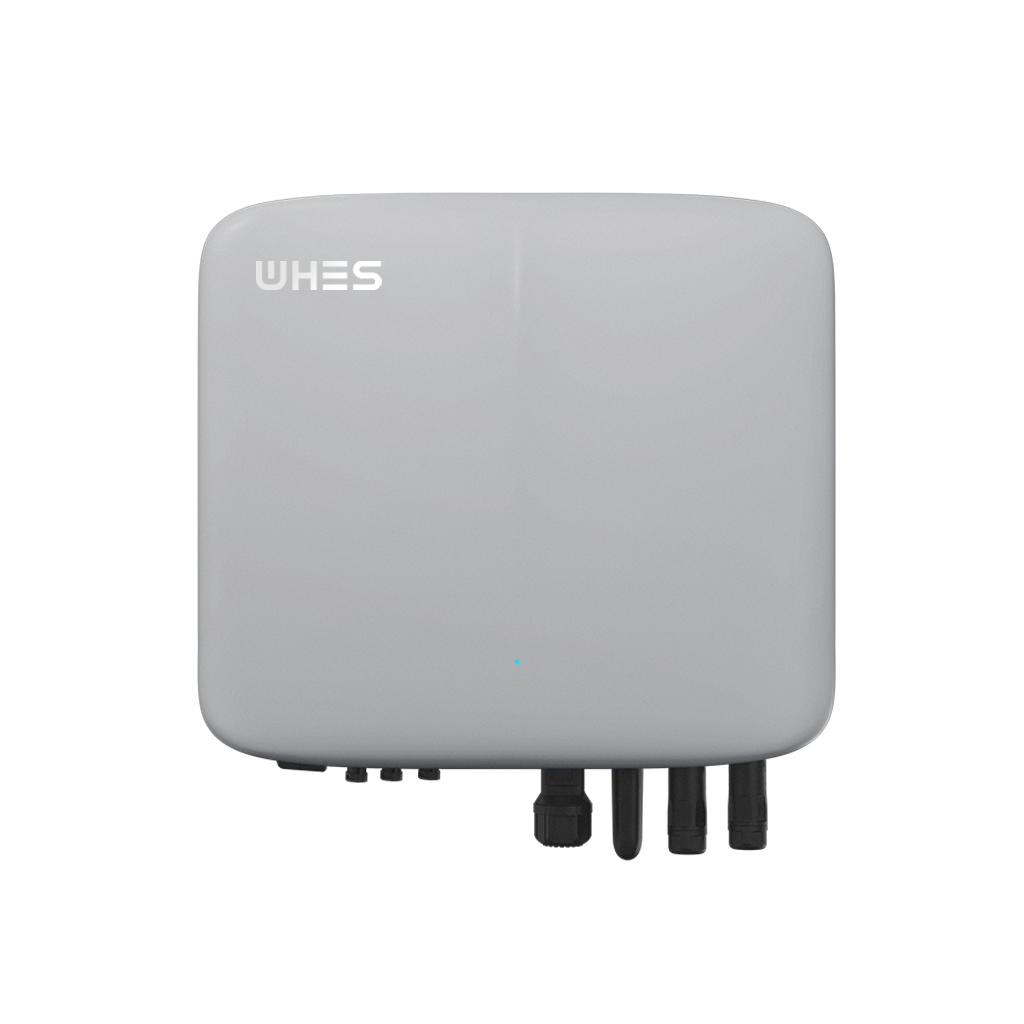
Common mistakes that lead to oversized systems
Teams often oversize batteries to compensate for presumed inefficiencies rather than fixing them — which raises cost and footprint unnecessarily. Another frequent error is assuming factory standby figures match field behavior; real deployments with active monitoring and communications typically draw more. Finally, mixing components from different vendors without a systems-level plan can create duplicate auxiliary functions — think dual telemetry or redundant fans — and that bloat is avoidable.
Choosing the right solution: what to evaluate
When you evaluate inverters and complete solutions, focus on these three metrics:
- Measured standby watts at the site, across realistic operating modes.
- Firmware flexibility for staged services and low-power telemetry.
- Thermal design that favors passive dissipation where acceptable for ambient conditions.
If you’re specifying a home battery backup systems deployment for areas prone to PSPS events or frequent outages, those metrics will guide better lifetime performance than nominal inverter efficiency alone.
Advisory: three golden rules for procurement and design
1) Verify real-world idle power: insist on site measurements under expected operating modes before final purchase. 2) Optimize firmware and controls: choose vendors who support staged services and intelligent telemetry sleep states. 3) Design thermally and mechanically: favor solutions that reduce active cooling needs without compromising safety.
Implement these rules and you’ll shrink invisible parasitic losses, improve usable runtime, and lower total installed cost over the system life. WHES ties those engineering moves to practical, install-ready systems built for resilience — and that’s the kind of outcome that wins during a real outage.
— Ready.