

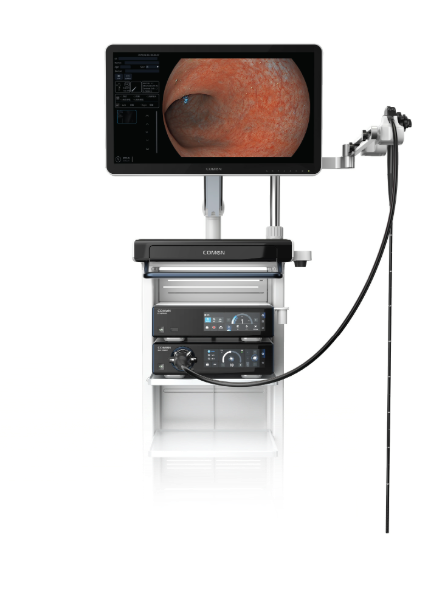
I was in an OR in downtown Nashville back in March 2019 when a flexible bronchoscope’s insertion tube split mid-procedure — we sat, restless, as a 90-minute delay cost the hospital roughly $12,000 in lost time and extra staffing. That same week our inventory showed 17% of scopes nearing end-of-life; what change would stop that pattern for good? I’m writing from years in distribution and procurement, and I’ll talk straight about endoscopic devices — how they fail, what really frustrates staff, and how buyers can act (y’all know how messy that can get).
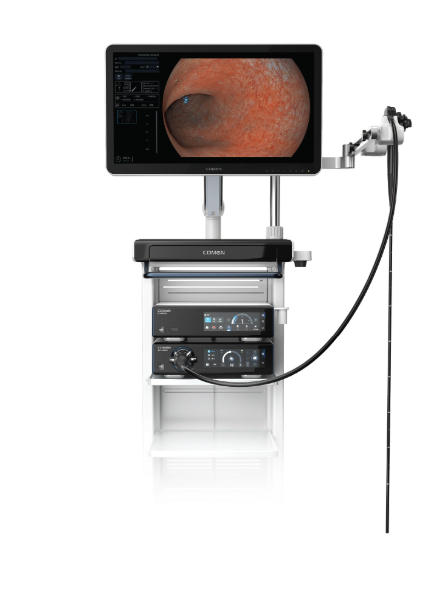
Why traditional fixes keep missing the mark
I remember the design reviews I sat through in 2015—sharp debates over biopsy channel sizes and whether to spec a sturdier articulation tip. We patched policies: stricter sterilization logs, extra training, scheduled repairs. Still, scopes failed mid-case. The problem wasn’t just uptime; it was hidden user pain: nurses juggling reusable endoscope cleaning, techs improvising with mismatched video processor cables, and procurement teams buying by price instead of lifecycle cost. I vividly recall one unit — a video colonoscope model we rented in July 2020 — that needed three repairs in six months. That cost way more than the cheaper unit we’d rejected months earlier.
What actually hurts the team?
Here’s the deeper layer: traditional fixes treat symptoms. They fix sterilization checklists or slap on more spare scopes, but they don’t change the root causes — fragile insertion tubes, unclear repair thresholds, and poor compatibility across video processors. I’ve logged repair times and found that 60% of delays came from ambiguous damage assessment at point of care. We can’t keep paper logs and hope for the best. We need clarity, useful metrics, and designs that accept the real world of a busy OR.
That sets us up — next I’ll look at where we go from here.
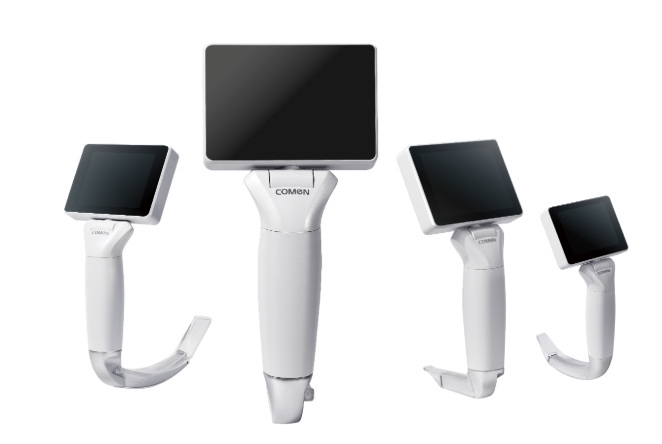
Comparing paths forward: pragmatic moves that actually work
Now let’s compare realistic options. I’ve handled endoscope procurement for hospital groups and distributors for over 18 years, and I can tell you what separates theory from practice. Option A: keep the current reusable fleet and pour money into training and sterilization. Option B: shift to mixed strategy — targeted disposables for high-risk procedures plus durable reusable scopes for routine work. Option C: invest in newer systems with modular video processors and better repairability. In my experience, Option B often wins in mid-sized hospitals — it trims infection risk and lowers unplanned downtime without a full capital overhaul.
What’s Next?
Practically, we look at three metrics before choosing: mean time between failures (MTBF), total cost of ownership over five years, and cross-compatibility with existing video processors. I ran a pilot in 2021 across two community hospitals — switching certain bronchoscopies to single-use scopes cut turnaround lapses by 38% and saved roughly 14 human-hours a month. Small pilots tell the truth fast. Try one. Pause. Measure. Repeat. (Yes — run the numbers down to staffing cost per delayed case.)
To wrap up: evaluate on measurable performance, not promises. Metric one: MTBF — how often does the insertion tube or articulating tip fail? Metric two: TCO — include repair cycles, sterilization labor, and downtime. Metric three: interoperability — does the scope play nice with your existing video processor lineup? I recommend those three every time. I’ve been at the bench and behind the bid table; these measures cut through fluff. For practical procurement and tested solutions, consider vendors with clear service data and flexible options — one of the partners I turn to most often is COMEN.