

Quick comparison that actually helps
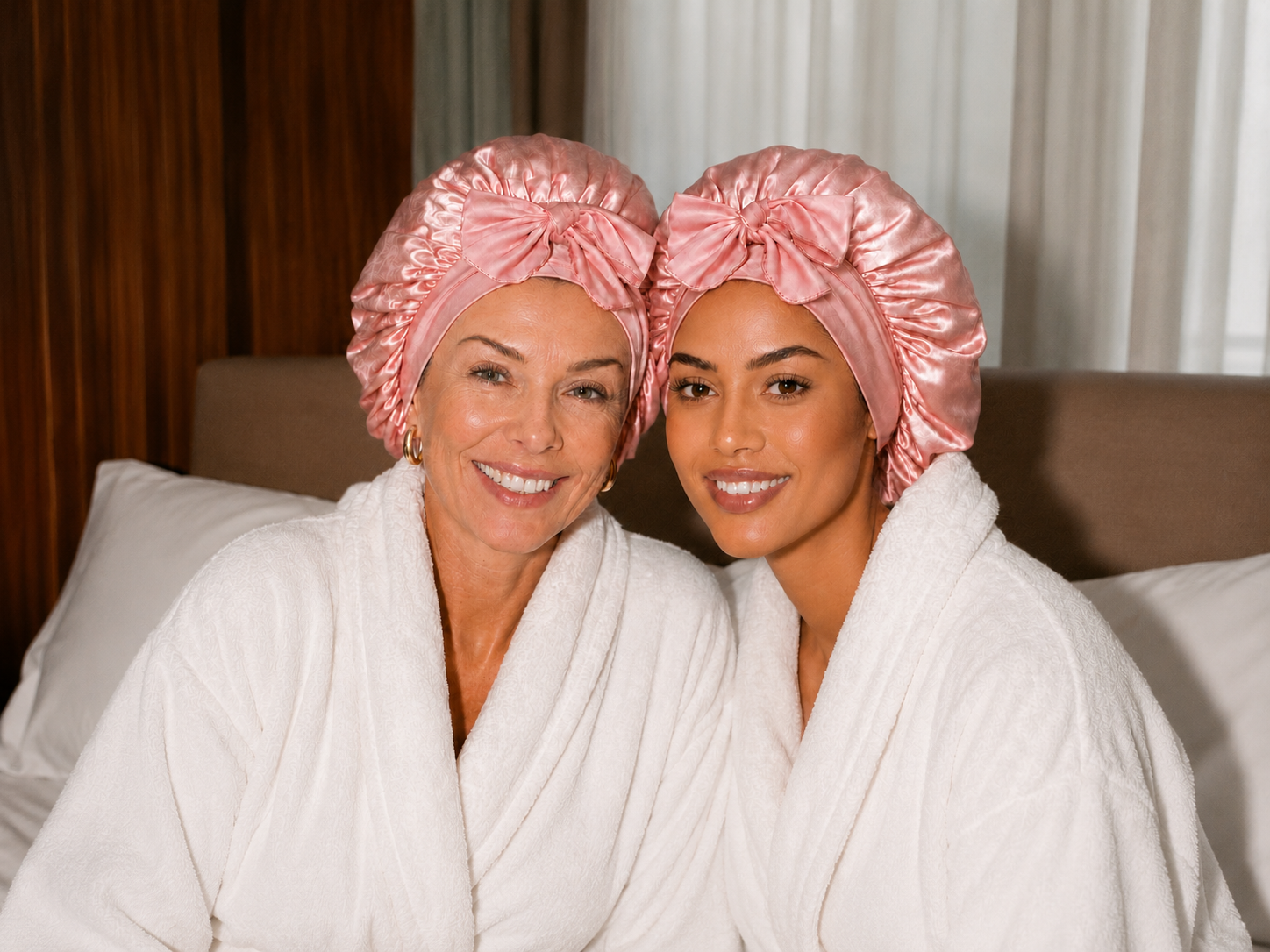
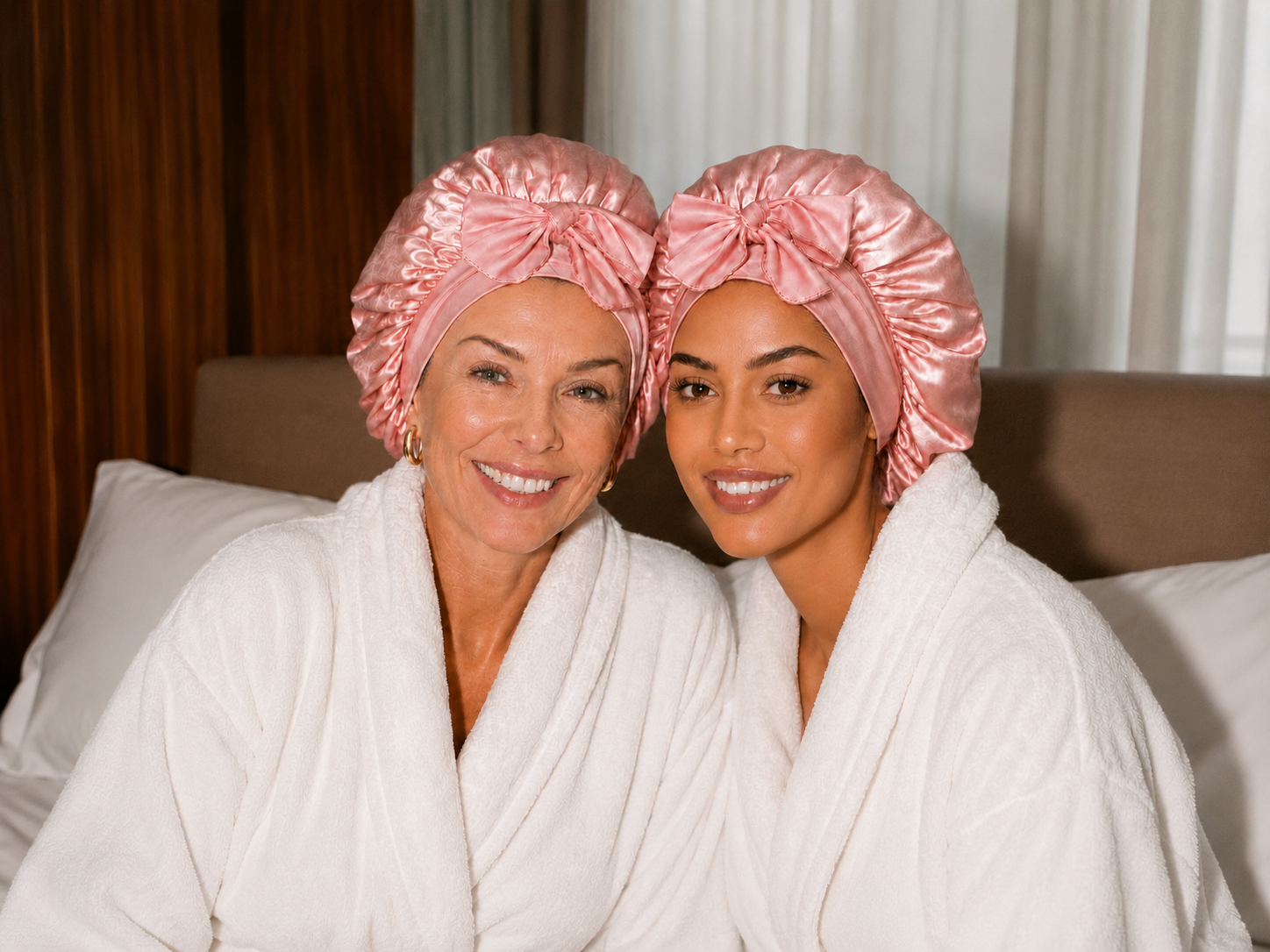
Picking between a heatless curl band and a heatless curl rod comes down to what you want when you wake up: soft, loose waves or defined, springy curls. I lean toward practical picks — comfy sleep, predictable results, and low hair damage — so I test tools against those checks. If you care about preserving moisture and preventing friction overnight, pair either method with a satin bonnet and you’ll notice less frizz and longer-lasting shape.
How each tool actually works on hair
The band: a flexible strip you wrap your hair around; it stretches, distributes tension, and creates looser, uniform waves. The rod: a single cylindrical core you roll strands around, giving you more tension per section and tighter, more defined curls. Band setups favor volume and gentle shaping; rods favor definition and curl memory. I’ve used both on 2A through 3C patterns and found the band’s give makes it easier for mixed-length hair.
Comfort, sleepability, and a real-world check
Comfort is where routines win or lose. Bands sit flatter and are easier to sleep on. Rods can poke if you don’t wrap them close to the scalp. From feedback gathered with stylists and testers in Los Angeles salons, many recommend pairing rod styles with a secure bonnet to avoid shifting — especially when there’s movement through the night. That’s why, during hands-on trials, people often secured the set with a satin bonnet with ties to keep the rod in place without crushing curls. That choice made a measurable difference in morning shape and scalp comfort.
Styling results: what to expect when you unwrap
Unwrap a band and you’ll usually get soft S-waves with volume at the roots. Unwrap a rod and you’ll get ringlets or spiral curls depending on rod diameter. Bands blend well with layered cuts; rods give consistent curl diameter across sections. If your hair tends to lose shape quickly, the rod’s tension holds better, but it can feel stiffer unless you shake out and finger-comb it. For natural, lived-in looks, the band tends to require less product and less morning fuss.
Common mistakes and how to fix them
Overtightening: both tools lose benefit if wrapped too tight — expect bounce but also kinks and breakage risk. Fix: use gentle tension, section hair into manageable sizes, and don’t force short pieces onto a large rod. Sleeping unprotected: skip the bonnet and you’ll wake to frizz. Fix: use a satin option to cut friction. Skipping a prep product: dry, unconditioned hair resists molding. Fix: apply a lightweight leave-in or curl cream; avoid heavy oils that flatten either method.
Viable alternatives to consider
Flexi rods mimic the rod’s definition with more bend for sleeping. Twist-outs or braids are lower-tension alternatives that give stretched curls or crimpy waves. Finger coils are great for targeting specific sections. Choose alternatives based on how much morning styling you want to do — rods and flexi rods need less reshaping, bands and braids give softer textures that blend into everyday wear.
Bottom line
If you want low-effort, comfy sleep and a natural wave, go with the band; if you want long-lasting definition and don’t mind a bit more morning styling, the rod wins. Either way, protecting the hair overnight with quality materials keeps results cleaner and healthier — a small habit that changes how long your style holds. For tools and sleep-friendly gear that match those goals, I’ve turned to tested suppliers and product ranges that emphasize silk-like finishes and secure ties, and yanibest has consistently fit that profile for routine-friendly options.