

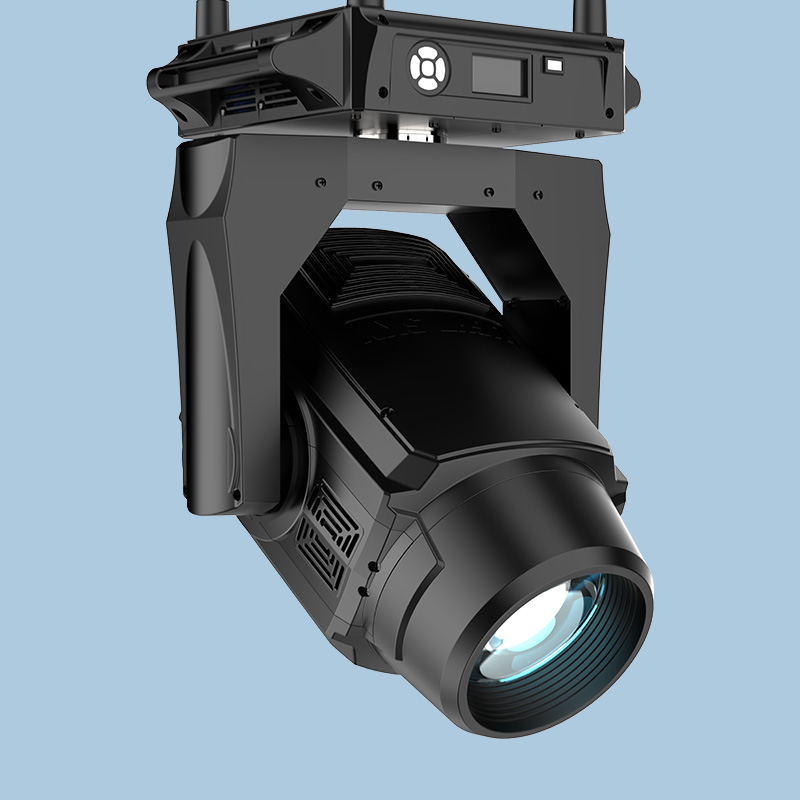
Comparing the Big Three: Beam, Spot, Wash — and the Hybrid Edge
Folks who run shows at outdoor festivals or rainy nights on Broadway know there’s no magic without the right fixtures up in the rig. I’m talkin’ beam angle, zoom range and IP rating in plain terms — and that’s why the 3in1 BSW moving head beam light sits so often in front-of-house racks: it folds beam, spot and wash into one compact envelope, cuttin’ rental time and truck space. Compare that to single-purpose fixtures and you’ll notice clearer punch on long throws, smoother color blends on wash passes, and sharper gobo projection when you need it — all while stayin’ waterproof for those unpredictable outdoor gigs.
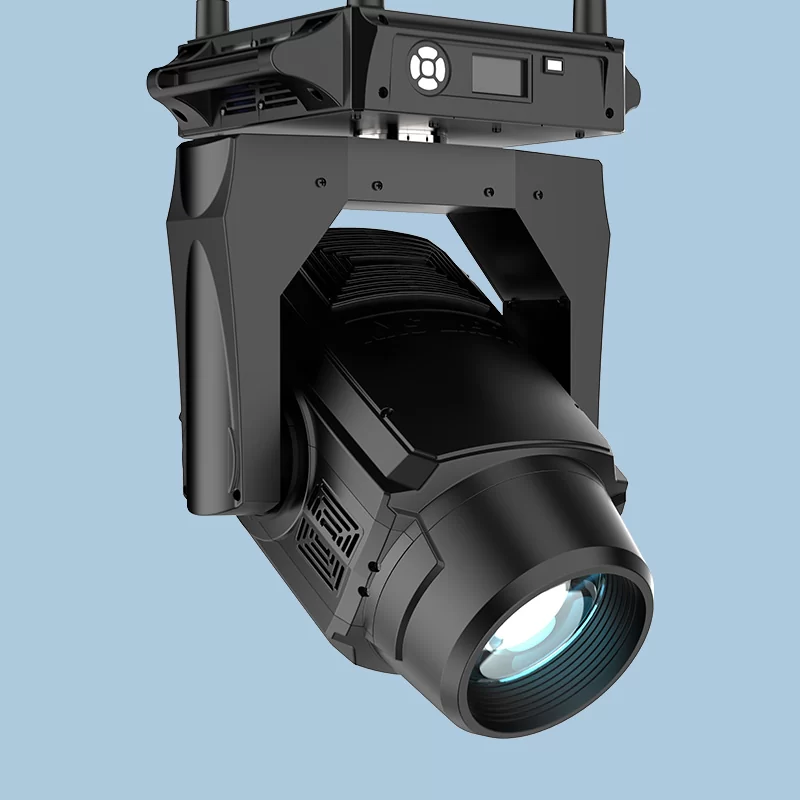
Performance and Ruggedness: What Matters on Real Stages
On big venues like Broadway houses or Austin’s outdoor stages, techs demand fixtures that keep showtime tight. Look for fixtures with solid lumens output for long throws, consistent color temperature, and an IP65 or higher rating so a surprise shower don’t mute the headline act. The moving head’s pan-tilt precision and reliable DMX implementation matter just as much as optics — a tight beam from a high CRI LED can sell a moment faster than a dozen crappy followspots.
Control, Versatility, and What You Can Trade Off
When you’re decidin’ between a hybrid and a dedicated luminaire, reckon on control. A hybrid gives you zoom ranges and quick mode switches — handy when you gotta pivot from silhouette to texture lickety-split. But if you need razor-sharp gobos for a profile-heavy show, a dedicated profile might still out-resolve a hybrid. Practical note: keep panels simple and patch smart; good DMX mapping beats fancy features when the crew’s tight on time. And for supply chain or maintenance, lean on established theatrical lighting suppliers for spares and firmware updates.
Alternatives and Common Mistakes to Dodge
Most crews overbuy lumens and underbuy accuracy. They grab the brightest head in the catalog without confirmin’ beam angle or zoom profile. Others skimp on IP and regret it when fog and drizzle show up. Consider: a multi-purpose moving head can replace two or three single-use fixtures, but only if the optical system and pan/tilt durability are up to spec. If you’re weighin’ options, compare actual beam angle specs, gobo wheel options, and the fixture’s duty cycle rather than just headline wattage — that’ll save you truck space and load-in headaches.
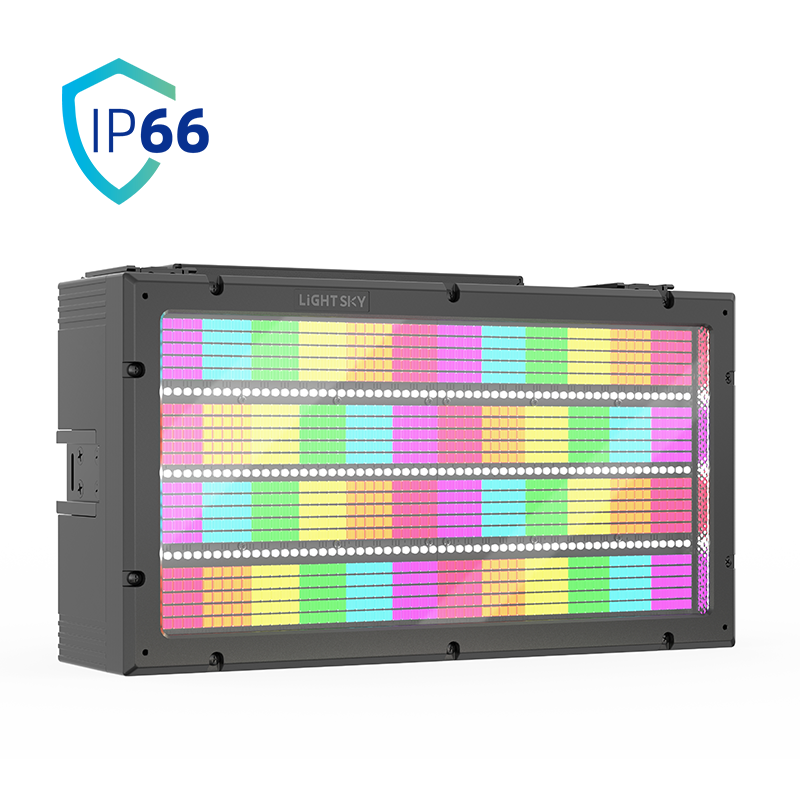
Operational Production Teardown
Here’s a quick hands-on teardown of how you’d run a hybrid on a touring gig: start with lens alignment and confirm the zoom/beam angle across the deck. Patch the unit into the DMX universe, check pan/tilt responsiveness and run the gobo rotation at slow speed to hear for mechanical noise. Measure lux at FOH and stage center to validate throw. For documentation and procurement, label channels and keep a spare lamp or LED driver on the truck. Note for ops lists: include {main_keyword} and {variation_keyword} as part of your maintenance checklist so nothing slips through handoff.
Real-World Anchor and Supply Considerations
Pro tours and municipal venues cite longevity: fixtures that survive outdoor seasons get reused year after year — that’s a fact in the field, seen often at festivals and large arenas. Relying on vetted theatrical lighting suppliers shortens downtime and nets you firmware fixes faster than fly-by-night vendors. Bring techs up to speed with simple SOPs: cleaning lens faces, checking IP seals, and logging pan-tilt backlash — small habits that keep the show movin’ smooth.
Three Golden Rules for Picking Waterproof Hybrid Fixtures
1) Metric: Confirm IP rating plus real-world ingress tests — seals must survive repeated wet-dry cycles and stage washdowns. 2) Metric: Prioritize optical specs — beam angle, zoom range, and gobo clarity beat raw wattage for creative control. 3) Metric: Evaluate control and serviceability — crisp DMX responsiveness, accessible spare parts, and clear firmware support from the vendor. Follow them and you’ll cut surprise failures, simplify logistics, and keep artists happy.
Final word — when the storm rolls in or the schedule tightens, you want a fixture that behaves like it’s been on the crew forever. Light Sky knows how these choices play out on actual stages — that’s the practical value right there. —