

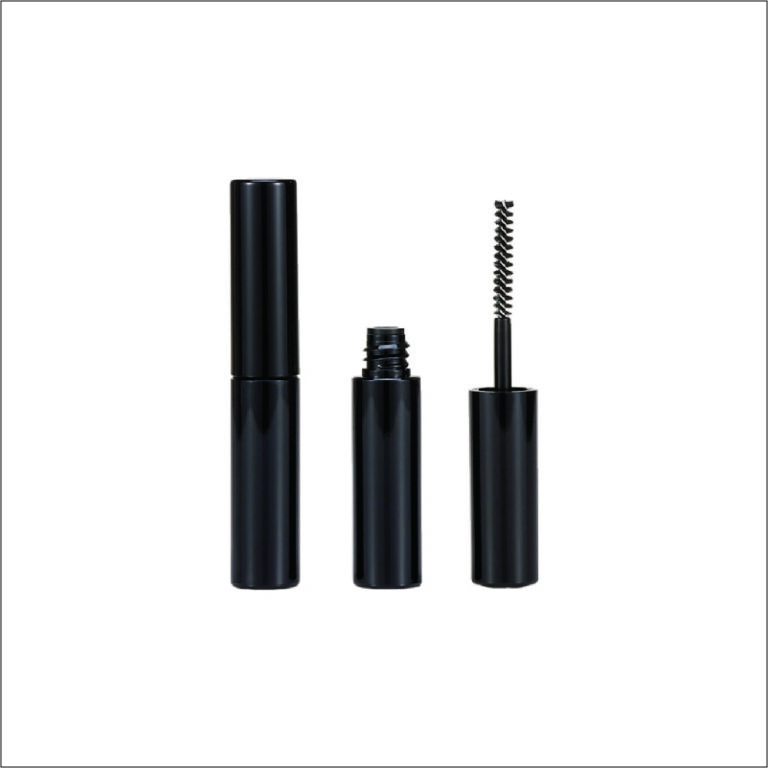
Introduction: The Stakes of a Small Part
Your mascara launch can slip for a tiny plastic detail. In many teams, procurement races to lock empty mascara tubes wholesale while marketing fights the calendar. If you are weighing china empty mascara tube wholesale options, a missed spec or an unclear test can ripple through your line. Last quarter, one vendor’s 2% leak rate became 8% after filling—because field heat pushed the cap torque out of spec (evet). That meant rework, returns, and a late shelf date. So, here is the pointed question: are you comparing like for like, or are you comparing what is easy to quote?
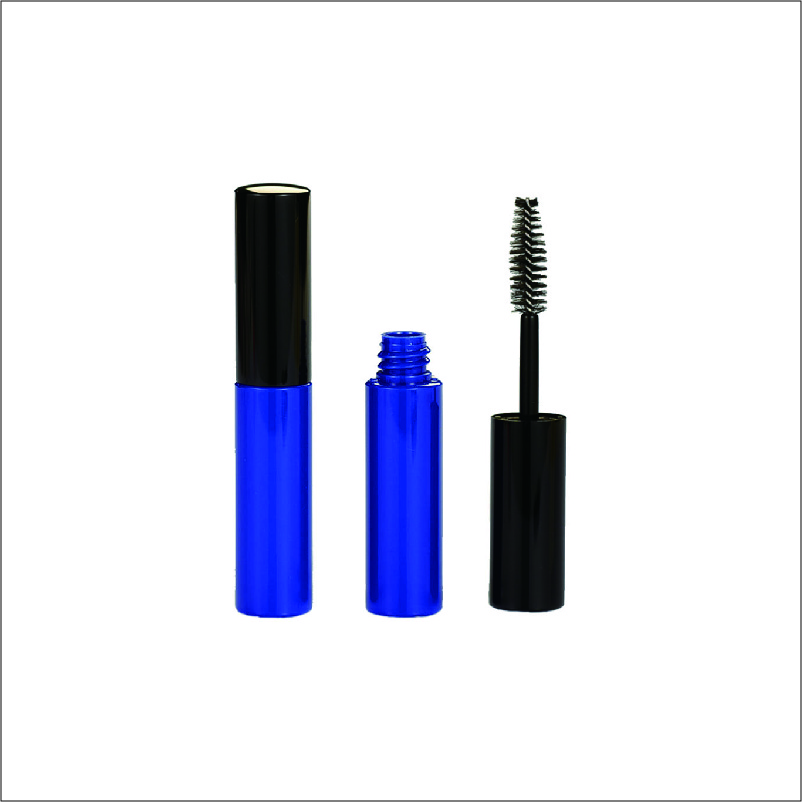
Let’s ground it. Average mid-tier MOQ sits at 10k–20k. Typical supply chain lead time is 30–45 days after approval, but color-matched anodized collars can add 7–10 days. A small mismatch in wiper durometer or stem length can tank payout consistency by 15–25%. And yet, most teams only check price and lead time—funny how that works, right? We need a sharper lens. We will compare what matters—fit, seal, and fill behavior—so you stop paying for preventable errors. Now, we move from quick quotes to hard signals.
Hidden Gaps Buyers Miss in China Empty Mascara Tube Wholesale
Where do leaks begin?
Start with the throat and wiper. On paper, “standard 13/brush system” sounds fine. In practice, the wiper torque window, stem straightness, and brush core stiffness decide your leak risk and payout curve. Look, it’s simpler than you think: align viscosity to wiper friction and cap torque. Water-based bulk needs a tighter wiper and consistent cap torque; wax-heavy bulk wants a slightly looser wiper to avoid streaking. A vendor’s “pass” on drop tests is not enough. Ask for cap torque distribution, not only an average. Ask for 24-hour upright/laydown results at 40°C. These are the quiet killers that do not show in a glossy deck.
Next are materials and build. Injection-molded PP bodies behave differently from PETG under heat cycling, and an anodized aluminum ferrule can creep if the crimping load is off. Low-cost stems can warp, which skews the brush path and shaves bristles on the wiper—debris in the bulk. You also want QC sampling plans that match your risk, not the supplier’s comfort. Require AQL detail and retain samples after the transit simulation. When someone quotes fast color-spray with no adhesion test, pause. Without cross-hatch and rub testing after salt-fog, that nice matte finish can blush by week six. Different story on shelf—different returns pile.
Comparative Insight: What’s Next and What Actually Wins
What’s Next
We shift from “cheap vs. pricey” to “stable vs. fragile.” Two new-technology principles change the math. First, precision molding with real-time cavity pressure sensing. It cuts warp on stems and controls wall thickness, so wiper engagement stays in spec over heat cycles. Second, ultrasonic welding for collars instead of solvent bonding; it reduces micro-gapping that invites capillary leaks. Add automated vision for thread inspection, and you cut rework before cartoning—by design, not by luck. When you compare suppliers, ask who runs these controls in-line and who runs them only in a lab. The difference shows up after filling, not at RFQ.
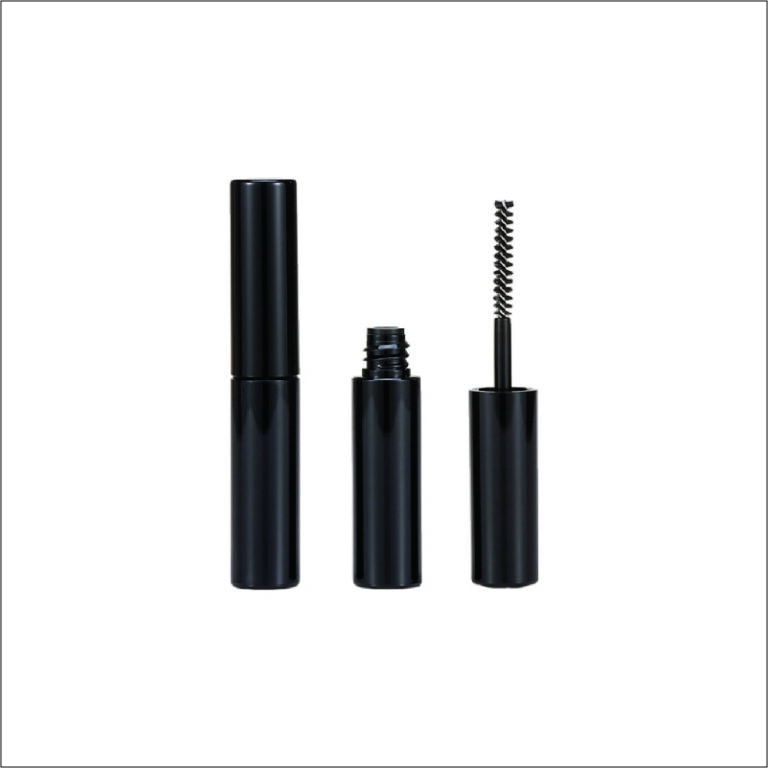
Consider how a seasoned china empty mascara tube manufacturer approaches scale. The better shops pair PP or PETG bodies with matched wipers and validate with real bulk—not water. They do accelerated aging at 40°C/75% RH, then re-torque caps and re-measure payout. They track brush core runout, not just bristle count. And they confirm PCR compatibility so 30% PCR PP does not crack under standard torque. Summing up: align viscosity windows, confirm sealing mechanics, and test appearance under sweat and salt fog. We saw earlier how “standard pass” hides variance—now we ask for the trendline, not the snapshot. Price still matters, but failure costs more—funny how that works, right?
Advisory close—three metrics to choose well: 1) Functional fit: cap torque distribution, wiper friction curve, and 24-hour leak test in three positions. 2) Material integrity: resin ID with PCR percentage, cross-hatch adhesion after salt-fog, and thread/seat dimensional Cpk. 3) Process control: in-line vision criteria, AQL and retain policy, and real bulk compatibility proof. Keep those three, and your comparison becomes clear, repeatable, and fair. The rest is preference. For teams that value tight, methodical builds without noise, you now have a path that speaks with data and not with adjectives. NAVI Packaging