

Introduction — Why this debate matters
Have you ever wondered why some shops get through big batches while others lag behind? (I have, many times.)

When a double spindle CNC machine sits idle or produces scrap, the cost hits fast — lost hours, missed lead times, and frustrated customers. Recent shop-floor surveys show that switching to dual-spindle setups can cut cycle time by roughly 25–40% on repeat parts, yet not every shop sees those gains. So here’s the question I keep asking: is the bottleneck the machine, the process, or the way we evaluate performance?
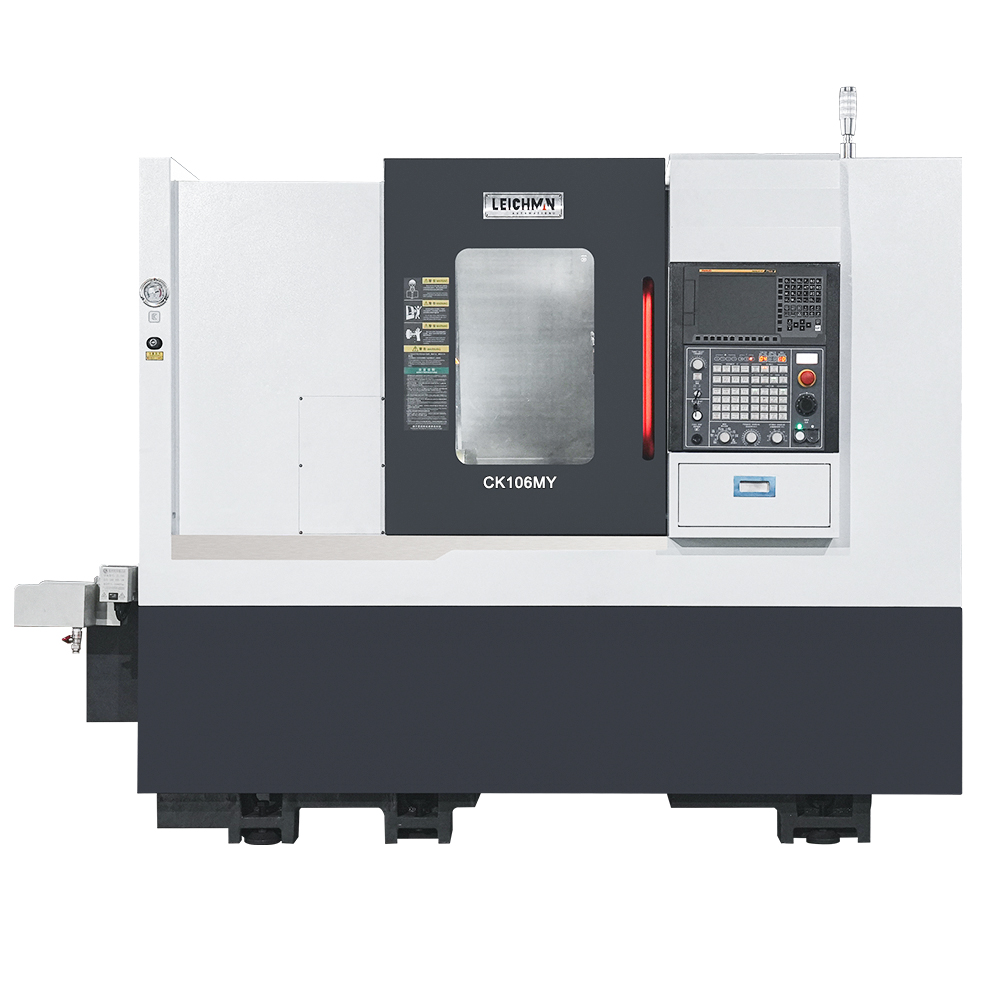
I’ll argue a position: throughput without repeatable accuracy is false economy. I want to show both sides — where double spindles win and where they trip up — then point to practical ways you can test claims yourself. Let’s move into the root causes and hidden problems that really decide outcomes.
Where standard fixes fall short: flaws in the usual approach
cnc milling manufacturers will tell you a dozen things can improve throughput: higher spindle speed, bigger tool magazines, smarter toolpathing. I agree with a few. But in my experience the common fixes often ignore machine-system interactions. Spindle speed alone won’t save you if the servo motor control loop and the power converters aren’t tuned to match the tool change cadence.
Why does this still happen?
Look, it’s simpler than you think — shops chase headline specs. They buy higher RPMs and denser tool changers, then are surprised by chatter, premature tool wear, or thermal drift. That happens because vibration modes, spindle balance, and coolant flow are not considered during integration. In short: the parts of the system are better, but the system as a whole isn’t optimized. I’ve watched teams tweak CAM strategies endlessly while neglecting basic dynamic balancing and spindle bearing preload. It’s a costly oversight.
There’s also a human side. Operators learn workarounds that hide root causes. They reduce feed rates, add secondary finishing passes, or prioritize specific fixtures to avoid rejects. Those fixes work — temporarily — but they increase cycle time and mask the need for true calibration. If you want durable gains, you have to measure the right things: runout, positional repeatability, and thermal growth across the load cycle (yes, even small temperature shifts matter). — funny how that works, right?
New technology principles for moving forward
What if instead of layering band-aids we rethink the control architecture and integration? I want to be practical: start with principles, not buzzwords. First, deterministic control over both spindles and turrets reduces synchronization errors. Second, active thermal compensation — not just a software checkbox — keeps tolerance during long runs. Third, modular diagnostics (edge computing nodes at the machine level) let you spot degradation before scrap appears.
What’s Next: real-world steps?
Consider a double spindle machining center deployment where we apply those principles: adjust servo gains for matched acceleration between spindles, instrument key bearings with vibration sensors, and feed data into a local controller that flags drift. The result: fewer unscheduled stops, better first-pass yield, and more predictable maintenance windows. I’ve seen shops move from firefighting to planned improvement in a few cycles — and that changes daily rhythm on the floor.
To wrap up: evaluate options using clear metrics. Here are three that I use every time I advise a shop — they tell you more than raw RPM or spindle count:
1) Effective cycle time under realistic loading: time per finished part when the machine is fed as it would be in production (not ideal test coupons). 2) First-pass yield over an extended run (hundreds, not tens, of parts). 3) System-level synchronization score — a composite of spindle speed stability, tool changer reliability, and positional repeatability under thermal load.
If you check those, you’ll avoid many pitfalls. I still prefer hands-on verification. I’ll go to the cell, run the parts, talk to the operator, then re-run the data. It’s low-tech in process but high-impact in results. In the end, tools and tech are enablers—human judgment ties it all together. For machines and solutions that meet these practical tests, I usually point teams toward vendors with solid integration practices and support — like Leichman.