

Introduction
I once sat in a small Dhaka lab where a late-night experiment felt like a tug-of-war between patience and gear. Neuro research has that way of exposing tiny gaps — a lost spike, a noisy trace, a missed window — and those small things can change a result. Data shows that labs with modest budgets but good workflows publish more reproducible findings than some better-funded groups (I’ve seen it first-hand). So what actually makes equipment, protocol and people click together on a rough Friday at 11 pm?
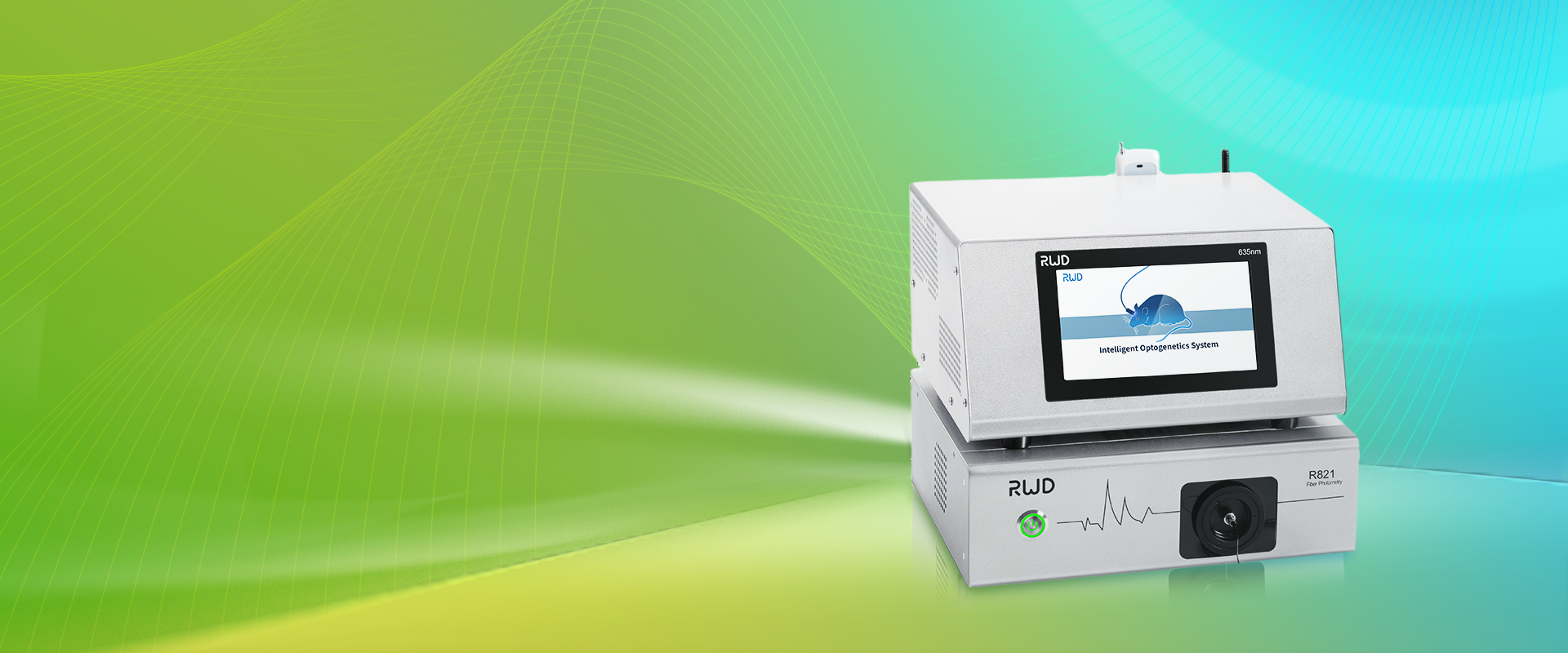
I’ll be frank: it isn’t always the newest gadget. It’s the fit between the task and the tool, plus people who know how to coax clean signals—things like proper grounding, consistent sampling rates, and honest calibration. In local terms, we call it diya-miya work—practical, hands-on adjustments that money alone does not buy. This piece will follow that thread: we’ll look at where labs trip up, what hidden pains hide behind neat graphs, and how to think ahead without blowing the budget. Ready? Let’s move on to the root causes.
Why the Tools Fail: A Deeper Look at Practical Pain Points
When I say “tool”, I mean the full stack: hardware, software, and the trained hands that run them. Many teams buy advanced neuroscience instruments expecting turnkey results. But the reality is different. Traditional setups often assume ideal conditions—stable power, perfect electrode placement, and noise-free rooms. In real labs we face power line noise, drift in electrode impedance, and messy biological variability. These translate into poor signal-to-noise ratio, unstable baselines, and extra time spent on preprocessing rather than on asking better questions.
Technically speaking, a common flaw is over-reliance on vendor defaults. Default filters, sampling frequencies, and gain settings might work for a demo, but not for in vivo electrophysiology or optogenetics with freely behaving animals. Microelectrode arrays that need specific grounding schemes get noisy when placed in makeshift rigs. Spike sorting becomes a headache if clips are saturated or the LFP baseline wanders. I’ve seen teams spend weeks chasing a phantom artifact that a simple re-grounding solved—funny how that works, right? Look, it’s simpler than you think: a checklist and a basic calibration routine save you days.
Why isn’t this fixed sooner?
Because training and time are scarce. Junior staff may not report anomalies, thinking it’s part of the method. Senior staff assume a one-time setup is enough. That mismatch—between human habits and instrument needs—is the real bottleneck. Electrophysiology, signal processing and system integration aren’t just tech terms; they’re the daily grind that determines whether a dataset is usable or not.
Future Outlook: Practical Paths and Metrics for Better Labs
Looking forward, I prefer small, targeted changes over sweeping upgrades. New principles—like modular system design, better documentation, and routine calibration—can transform outcomes without large cost. Case in point: one team I advised replaced an ad-hoc cable bundle with a labelled harness and a simple grounding plate. Results? Fewer artifacts, faster setup, and happier students. That’s the kind of win I mean when I talk about practical progress.
We should also think about interoperability. Choosing neuroscience instruments that play well with open formats and common analysis toolchains saves time later. Invest a little in training—basic electrophysiology theory, spike sorting workflows, and simple power-conditioning—and you’ll get a high return in data quality. Short bursts of training make a big difference. — and yes, sometimes the fix is a notebook with clear SOPs, nothing glamorous.
What to measure when you pick gear?
Here are three practical metrics I use when advising labs:
1) Signal quality under routine conditions: measure baseline noise and signal-to-noise ratio with your actual setup.
2) Time-to-ready: how long does it take a trained person to mount, ground and start recording reliably?
3) Interoperability score: can the device export standard formats and work with common analysis tools?
In short, I recommend focusing on usable performance, not just specs. These checks help you avoid expensive mismatches and salvage valuable experiments. If you want a reliable starting point, look at vendors that support clear documentation and hands-on support. I find that practical attention to details beats hype most days. For lab-ready solutions and friendly advice, I often point colleagues to BPLabLine—they keep things sensible and human, and that matters when the data finally shows what you hoped.