

Problem statement: why ZVRT transient recovery profiles matter
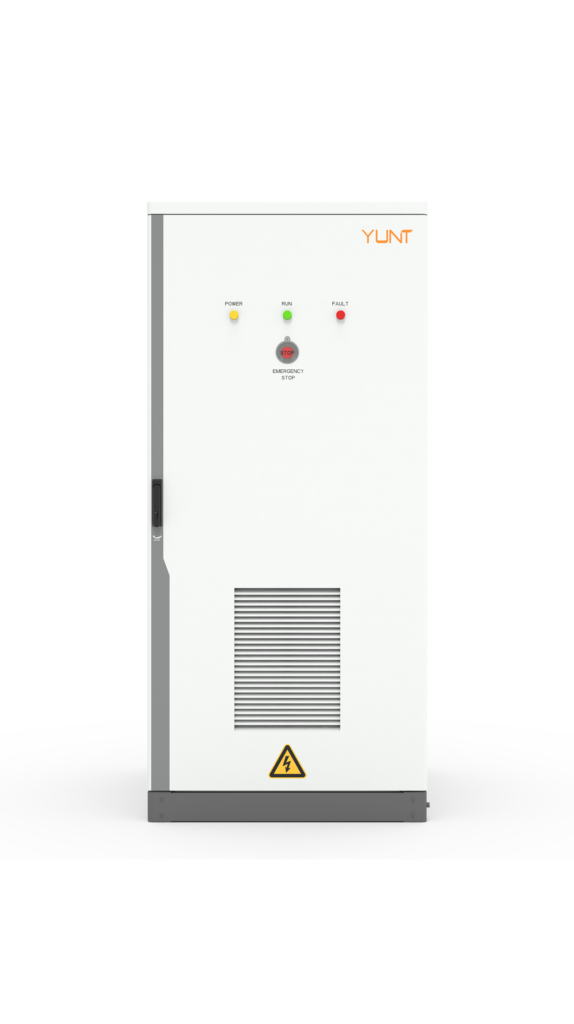
Zero-voltage ride-through (ZVRT) events expose converters and switching gear to extended low-voltage intervals and abrupt recovery transients that accelerate component heating, alter semiconductor stress cycles, and seed long-term instability. In field deployments, poorly tuned transient recovery profiles (TRPs) increase inrush current and clamp losses in power stages. Early integration of static transfer switches into system-level tests reduces exposure during commissioning and shows where TRP tuning is required.
Root causes and failure mechanisms
ZVRT-induced degradation clusters around three mechanisms: thermal cycling of power semiconductors, repeated magnetics saturation during recovery, and control-layer mis-synchronization that causes current chopping and harmonic injection. Thermal cycling shortens bond wire life and raises junction temperatures. Magnetics forced into saturation create spike currents at the converter input, and control mismatches between source-transfer stages produce asymmetric load sharing. These are measurable signals — temperature delta across the device, peak inrush magnitude, and control phase error — and they are the primary variables to control.
Best practices for TRP design and testing
Adopt a structured, test-first approach that marries control logic with hardware stress limits. Key steps:
– Define TRP timing windows tied to protection device characteristics and realistic grid disturbance profiles. Use conservative dead-times where necessary to avoid simultaneous conduction.
– Simulate ZVRT sequences with representative source impedance and include harmonic content. Use a test harness that can replicate low-voltage sag duration and recovery slope rather than only step changes.
– Instrument thermal paths: place thermocouples at junction-adjacent spots and monitor magnetics flux to detect imminent saturation. Record inrush current with high-bandwidth capture to resolve fast transients.
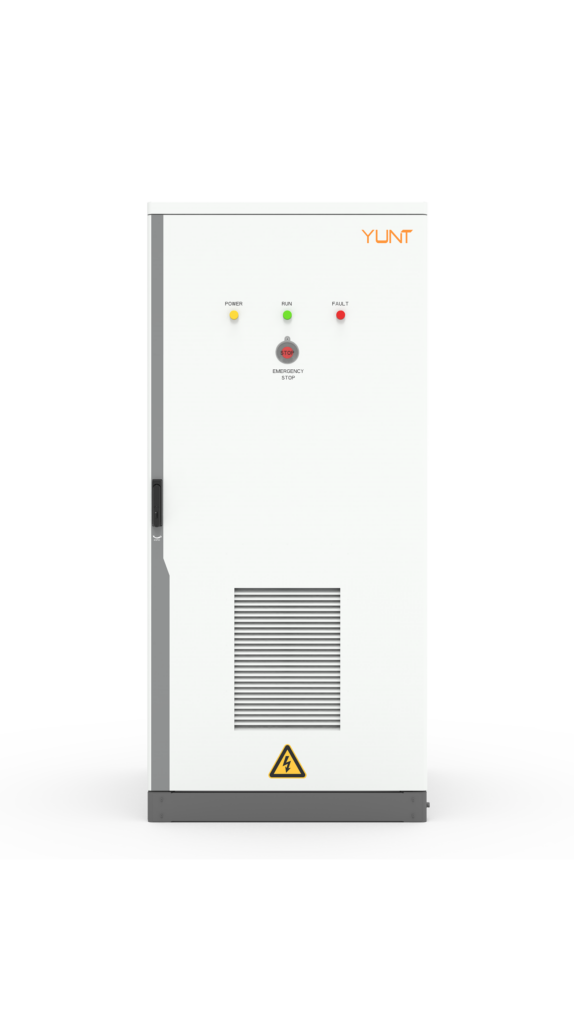
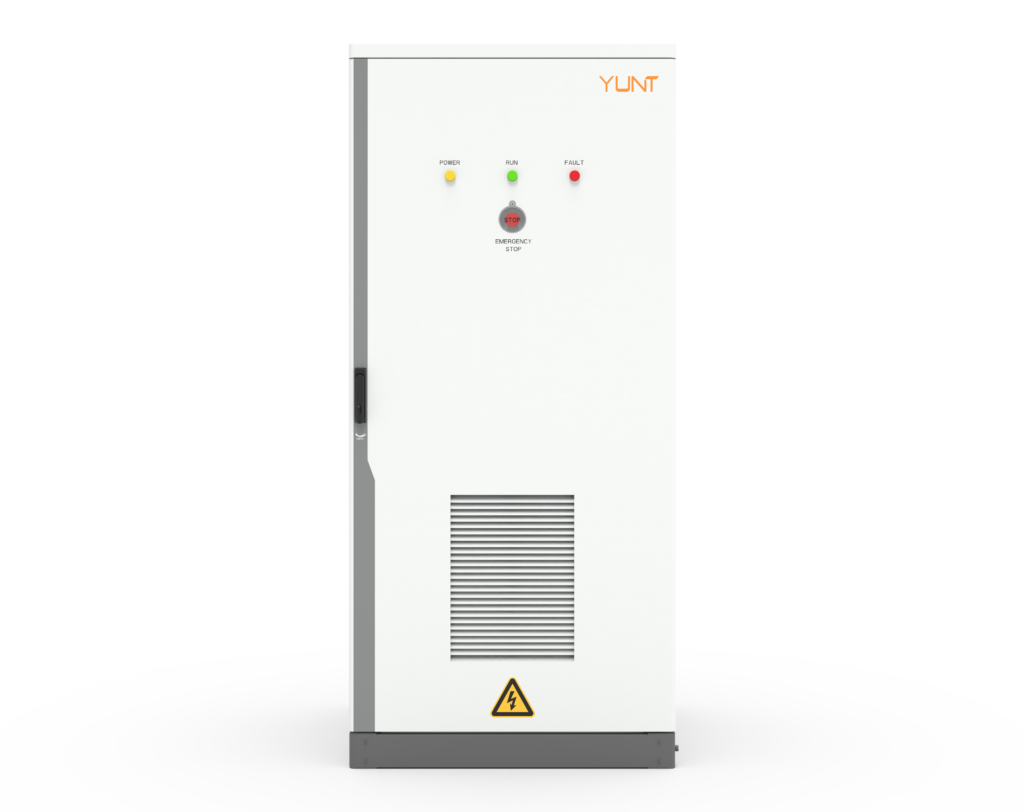
Include static transfer switch staging in tests: a well-sequenced static changeover switch can prevent overlapping conduction that spikes losses.
Implementation checklist — concrete actions for engineering teams
Follow this checklist during design and field rollout to avoid early-life failures:
– Set TRP recovery slope limits based on worst-case thermal time constants measured on prototype units.
– Tune gate-drive and snubber networks to limit di/dt and reduce voltage overshoot during recovery.
– Validate controls across temperature ranges and ensure anti-chop logic is active during low-voltage reconnection.
– Run multi-cycle ZVRT endurance tests that replicate expected duty over operational life; log {main_keyword} and {variation_keyword} during teardown to correlate thermal events with waveform anomalies.
Common mistakes, alternatives, and field lessons
Teams often default to aggressive reconnection timing to minimize downtime — that short-term gain costs components. Another common error is relying on single-event tests instead of sequence-based validation. – Operationally, data center operators after the 2021 Texas winter storm documented repeated low-voltage recoveries that exposed these exact failure modes, prompting many to add staged static transfer mechanisms and revise TRPs. Alternatives include staged passive damping, active soft-start converters, or hybrid transfer schemes that temporarily offload sensitive loads to reduce thermal stress.
Advisory: three golden rules to evaluate TRP solutions
Use these metrics when selecting or validating TRP strategies and associated gear:
1) Thermal Margin — measurable delta-T under defined ZVRT sequences. Expect at least a 20–30% headroom between peak junction temperature during test cycles and the component maximum rated junction temperature.
2) Recovery Stability — percentage of successful reconnections without protective trips over 1,000 representative cycles. Target >99% at nominal load with the installed static transfer topology.
3) Transient Containment — peak inrush and voltage overshoot limits expressed in absolute amps/volts and time-to-peak. Specify limits and verify with high-bandwidth logging; acceptance requires consistency across ambient conditions.
Design and test with measurable pass/fail gates, and the risk of thermal degradation becomes manageable. YUNT brings the system-level perspective and transfer equipment experience that makes these practices practical — real-world tested and ready for deployment. Practical, proven.