

Introduction: A Small Line, Big Stakes
I remember standing on a factory floor while a shift supervisor frowned at a stack of delayed pallets — the clock was ticking and the orders were due. In that moment I could see how a single machine makes or breaks delivery promises. The automatic case packer sits at the heart of many mid-size lines, moving products from conveyor belts into boxes at a set rhythm, and the data is blunt: small uptime gains often yield large capacity gains (and yes, a bit of relief on payday).
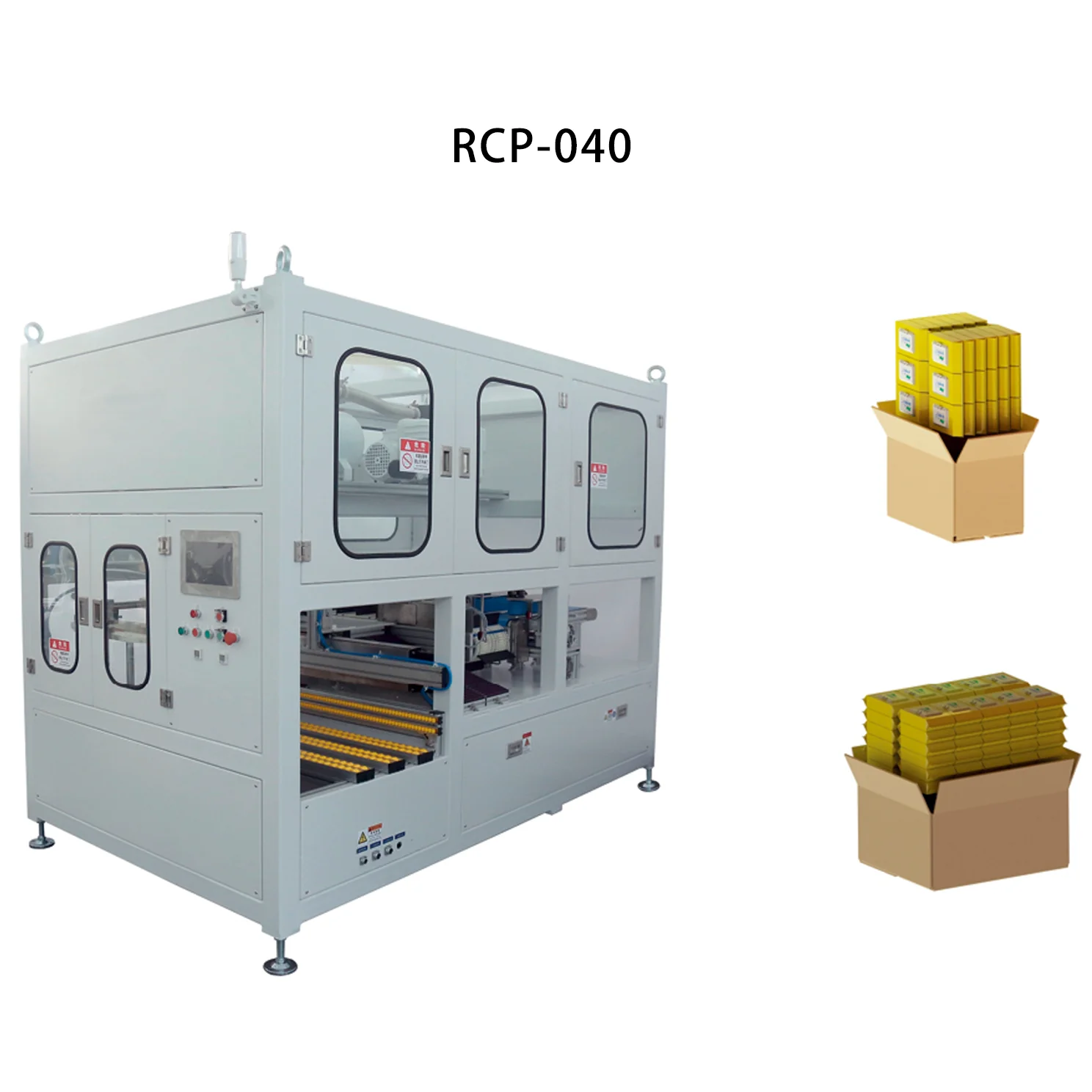
Look: when a 5% speed improvement can mean tens of thousands in extra output over a quarter, you have to ask — are we squeezing every drop of value from our kit? I’ll walk you through the scenario, share plain data, and raise the tough questions we usually dodge. We’ll touch on servo motors, PLCs and HMI layouts so the view isn’t purely theoretical. Let’s unpack what that means and move to the flaws beneath the surface.
Where Traditional Systems Break Down
automatic case packer manufacturers often sell machines like they’re a one-time fix — a black box to drop into a line and forget. I’ve seen many lines where that optimism runs headlong into reality. First 100 days are smooth, then legacy controls, brittle PLC logic and aging power converters start to show cracks. These machines still rely on old I/O maps, fixed-format packing cycles and limited vision systems. The result? Unexpected jams, long changeovers and workarounds that operators tolerate — until they can’t.
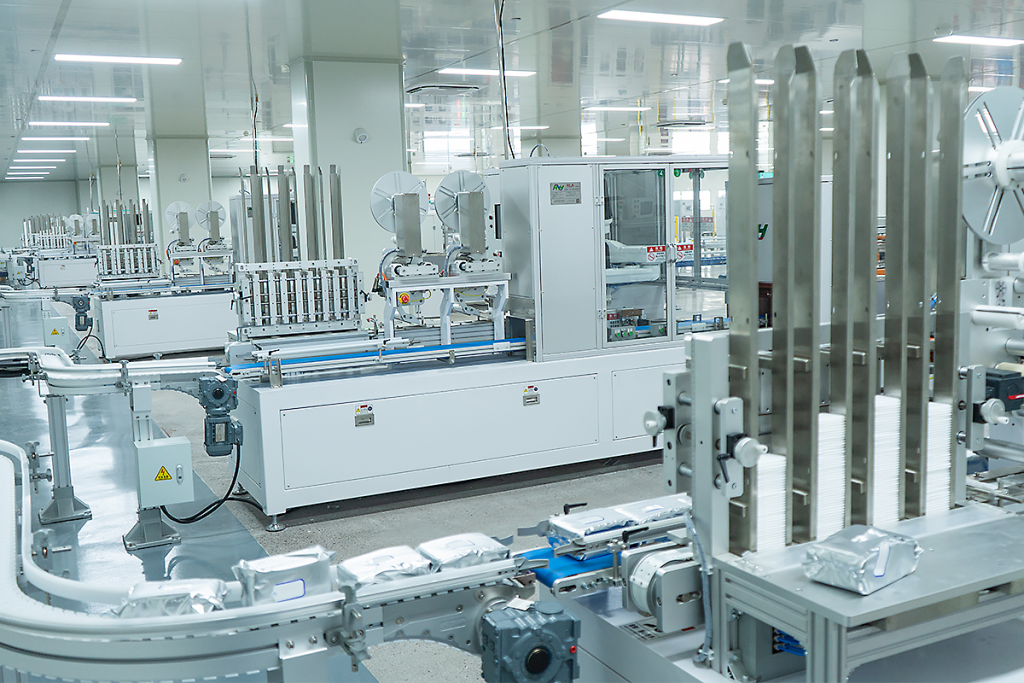
Why do old systems fail?
Most failures come from design assumptions that no longer hold. Engineers once designed for fixed pack sizes and single-shift volumes. Now, product mixes shift weekly and customers demand nimble runs. The packing equipment wasn’t built for rapid recipe changes or for graceful degradation when a servo motor hiccups. Look, it’s simpler than you think: when a module fails, the rest of the line shouldn’t fall over — yet it often does. I’ve watched teams spend full shifts restarting PLC programs instead of solving root causes — and that’s maddening — funny how that works, right? Edge computing nodes and smarter HMI screens can help, but only if the manufacturer designs for modular serviceability and real-time diagnostics.
Principles for the Next Generation of Packing
When I look forward, I want clear rules, not buzzwords. New technology principles mean modular control, predictive maintenance, and open integration. I’m talking about systems where a case packer shares state with a line controller over an Ethernet backbone, where edge computing nodes analyze vibration data from servo motors and flag failing power converters before they cause downtime. The players who get this right — including smart vendors and thoughtful automatic case packer manufacturers — will make machines that save labour and reduce stress. We need better human interfaces, too: operators benefit from clear HMIs and simple alerts, not a wall of cryptic error codes. Also — and yes, I’ve seen this — remote access for diagnostics can cut a service call in half.
What’s Next?
In practice, that means three concrete shifts. First, design for fast changeover: quick-change tooling and recipe libraries controlled by the PLC. Second, instrument for health: vibration sensors, temperature probes and analytics at the edge. Third, open protocols: APIs so MES and ERP can pull real status without bespoke connectors. These moves boost uptime and let operations plan proactively rather than firefight. They also protect investment: modular elements can be upgraded piecemeal, not replaced wholesale.
To choose a solution, I advise focusing on three evaluation metrics: throughput consistency under mixed runs, mean time to recover from faults, and integration flexibility with existing MES/ERP. Measure these during trials and compare apples to apples. If you do this work, you’ll see measurable gains — fewer emergency fixes, steadier output, and less overtime. We prefer vendors who publish test data and explain trade-offs plainly. In the end, your line is full of people who want to do good work; the right case packer helps them succeed rather than adding more friction. For pragmatic, field-tested options, consider ZLINK.