

Introduction — a kitchen corner memory, some numbers, and a simple question
I remember kneeling by a cluttered prep table in a small Taipei diner, sorting through a box of cracked dessert plates while the chef called for more service—an ordinary Saturday, 7:30 a.m., yet telling. As someone who has worked with plastic tableware manufacturers for over 18 years in B2B supply chain roles, I’ve seen that small failure repeat across restaurants and cafeterias. Recent industry figures show recycled-content products are growing at double-digit rates year-over-year (18% growth in some markets), yet complaints about durability and supply gaps persist. Why do buyers keep choosing recycled options if so many still return items for cracking, warping, or odor?
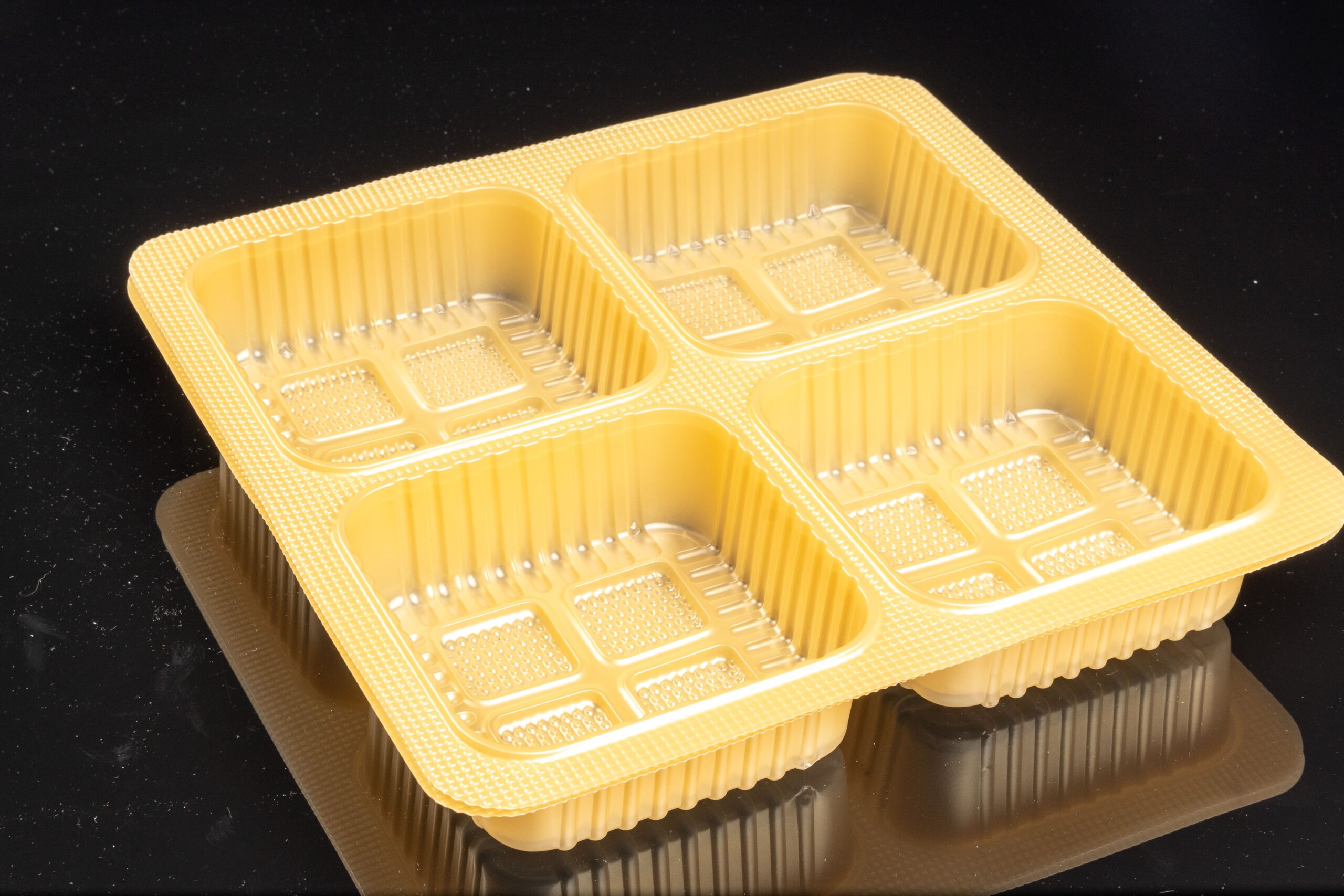
That question matters for restaurant managers and wholesale buyers. It shapes ordering cycles, affects inventories, and changes cost math. I’ll walk you through what I’ve learned—what works, what doesn’t, and the practical checks I use when vetting suppliers—so you can make better choices without guessing. Ready to dig in? The next section gets into the real faults behind common recycled solutions.
Part 2 — The deeper problems with recycled plates and cutlery
recycled plates and cutlery are often sold on price and environmental claims. I’ve seen tenders that favored the cheapest recycled polypropylene packs and then later failed on service day. In a March 2020 audit I led in Guangzhou, a factory showed me batches made from mixed feedstock; the melt-flow index varied widely between lots. That variability causes parts to be brittle or soft—depending on the run. Between injection molding settings and poorly controlled compounding, the result is inconsistent strength. In one incident, a July 2019 shipment of 50,000 PP plates had a 3% fracture rate at first heat exposure, which translated to roughly $12,000 in returns and lost business time for the buyer. Trust me—these numbers sting.
What causes the failures?
Let me be direct: many recycled supply chains treat reclaimed material as a commodity instead of a controlled input. Common issues include contamination with PVC, wide melt-flow index spreads, inferior pigment loads, and weak quality control on thermoforming lines. Injection molding parameters that work for virgin resin won’t automatically suit recycled batches. I prefer suppliers that run routine tensile and impact tests, and that keep separate lines for high-heat and low-heat products. You should look for documented cycle times, melt temperatures, and basic QA logs—those are the telltale signs a plant understands recycled compounding. I’ve insisted on those for all contracts since 2016, after we burned through three supplier shifts that failed to meet specs.

Part 3 — Looking ahead: new methods and practical metrics for buyers
We now need to move from problem-spotting to evaluating real solutions. Many teams I advise are weighing new technology principles: closed-loop material sorting, tighter compounding tolerances, and calibrated extrusion lines that stabilize melt-flow index before molding. These are not theoretical—an Italian thermoforming partner I visited in 2022 reduced warpage by adjusting screw profiles and adding an in-line moisture control stage. That cut rejects by nearly half over six months. When you read about innovations, focus on their practical effects: fewer returns, more predictable cycle times, and clearer shelf life estimates.
What’s next for recycled plastic dinnerware?
When I talk to purchasing managers, I bring up specific checks: ask for batch-level certificates that list melt-flow index, test reports for impact resistance, and a simple traceability code back to the recycler. Also, demand a small pre-production trial—say 1,000 units—run through your kitchens for a week. That gave one of my clients in Melbourne a clear pass/fail signal in five days last fall. It’s straightforward, and it saves headaches. For reference, suppliers who implement optical sorting, controlled compounding, and calibrated extrusion see the best outcomes in field trials—measured by lower breakage and fewer customer complaints.
To close with something actionable: here are three evaluation metrics I press on personally—mechanical consistency (melt-flow index range), contamination level (PVC/ABS traces per batch), and field failure rate (returns per 10,000 units). Use those when scoring offers. I’ve applied them in contract negotiations across Guangdong and Bangkok since 2017; they work. If you want a partner who understands both the shop floor and your order ledger, consider the data and insist on traceable QA. That approach helped a cafe chain I consulted for cut their replacement spend by 22% in nine months — results you can measure. For supplier listings and product portfolios, see MEITU Industry