

Setting the Scene: Why This Ride Format Wins (and When It Doesn’t)
Let’s define it clearly: a muscle cruiser mixes strong low-end torque with an easygoing riding stance and a stable wheelbase. A muscle cruiser does this while keeping the power where real roads live—at the bottom and mid-range—so you can pass a truck without drama. Picture an early Saturday: the town is quiet, the route is short, and you’re multitasking between a quick coffee and a school run. Data says most daily rides are under an hour, and most stops are within a few miles—so bikes that shine at 30–60 mph matter more than spec-sheet fireworks. But here’s the rub: how do you balance comfort with control when traffic changes every ten seconds?
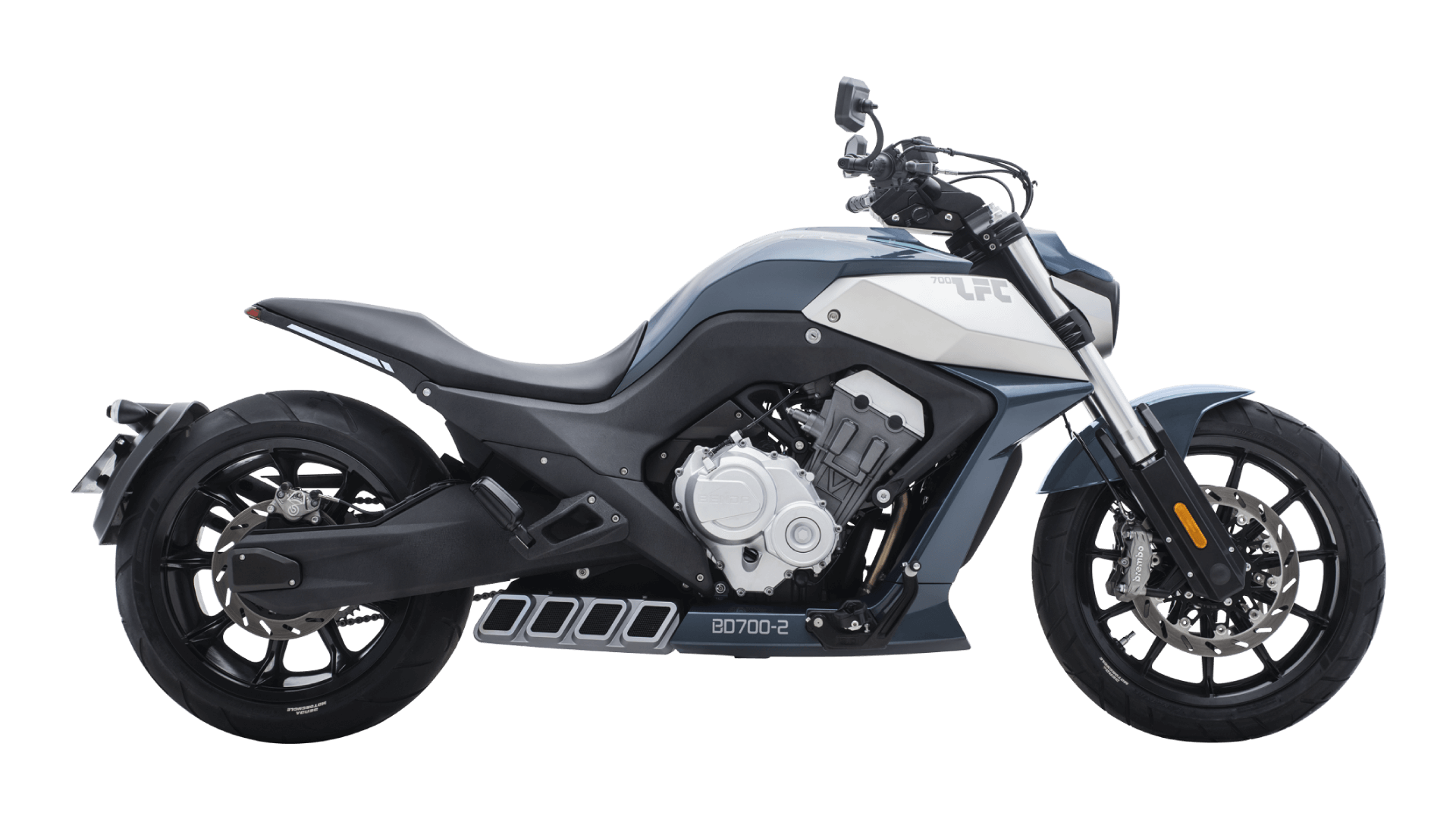
We’ll compare how torque curve, rake and trail, and even basic ECU tuning shape what you feel. The goal is simple (and practical): understand where confidence comes from, and where fatigue sneaks in. Because you deserve a machine that helps, not one that asks. Ready to look under the seat padding—figuratively—and see what really keeps you steady? Let’s roll into the next section.
Hidden User Pain Points: Where the “Spec Wins” Don’t Help in Real Life
Many lists call out the top muscle cruisers, and the numbers look great. Yet the gap between paper and pavement is where riders struggle. Long wheelbase and a fat rear tire are cool, but low-speed steering can feel heavy in tight alleys. The ECU mapping may favor peak output, while your day needs smooth throttle at 2,500–4,000 rpm. Look, it’s simpler than you think: comfort isn’t just seat foam, it’s how the torque curve meets the clutch engagement. When the slipper clutch is too light, hill starts feel vague. When dual-channel ABS is tuned for track-like decel, it can grab a bit too fast on slick city paint—funny how that works, right?

Another quiet frustration is heat soak. In stop-and-go, heads and thighs get warm, and thermal management is not “nice to have.” Swingarm geometry also shows up in parking lots; if the trail is long and the bars are wide, U-turns ask for muscle. Add in heavy final drive ratios that make first gear tall, and you’re feathering the throttle more than you want. These aren’t deal-breakers; they’re fixable with better fueling tables and smarter brake modulation. But they explain why some riders step off a beautiful bike feeling tired, not thrilled.
What do riders actually feel?
They feel micro-stability. Predictable roll-on from closed throttle. Brakes that don’t surprise. And a chassis that forgives small mistakes when the street gets messy.
Forward-Looking Muscle: New Principles That Make Power Feel Easy
Here’s where things bend forward. New control systems bring “smart muscle” to the street. Ride-by-wire can smooth tiny throttle inputs so neighborhoods feel calm, while a richer low-end fueling map steadies the bike as you tip in. Pair that with traction control tuned for urban grip levels and you get fewer wrist corrections. Add a quickshifter that is gentle under 4,000 rpm and firm above, and commuting stops feeling like a chore. When muscle cruiser bikes integrate CAN bus logic across ECU, ABS, and dash, the bike learns from wheel-speed deltas and modulates bite before you overreact. That stability is what your hands call “confidence.”
Thermal management matters too—ducting, better radiator fans, and measured idle control keep knees cooler in summer. A balanced power-to-weight ratio plus a friendlier first gear shortens the gap between a standstill and a clean roll. You still get that deep thump, but without the tug-of-war in traffic. And—surprise—small chassis tweaks like a 1–2 degree rake shift can do more for daily control than another 10 horsepower. Real progress often hides in these boring details—funny how that works, right?
What’s Next
We learned that numbers don’t tell the whole story, and that user comfort is born from consistent micro-controls, not just peak output. If you’re choosing your next machine, use three simple evaluation metrics. 1) Low-speed composure: test ride a tight U-turn and a slow downhill—does the throttle re-engage cleanly and does ABS feel smooth? 2) Heat and ergonomics: after 15 minutes in traffic, are your legs hot and your wrists tense, or still relaxed? 3) Real gearing and mapping: does first gear stall easily, and does mid-range fueling stay even through small throttle changes? Those answers will guide you better than any spec sheet. For more context on designs that aim at these goals, see BENDA.